Spain’s World Cup Triumph and Celebrations
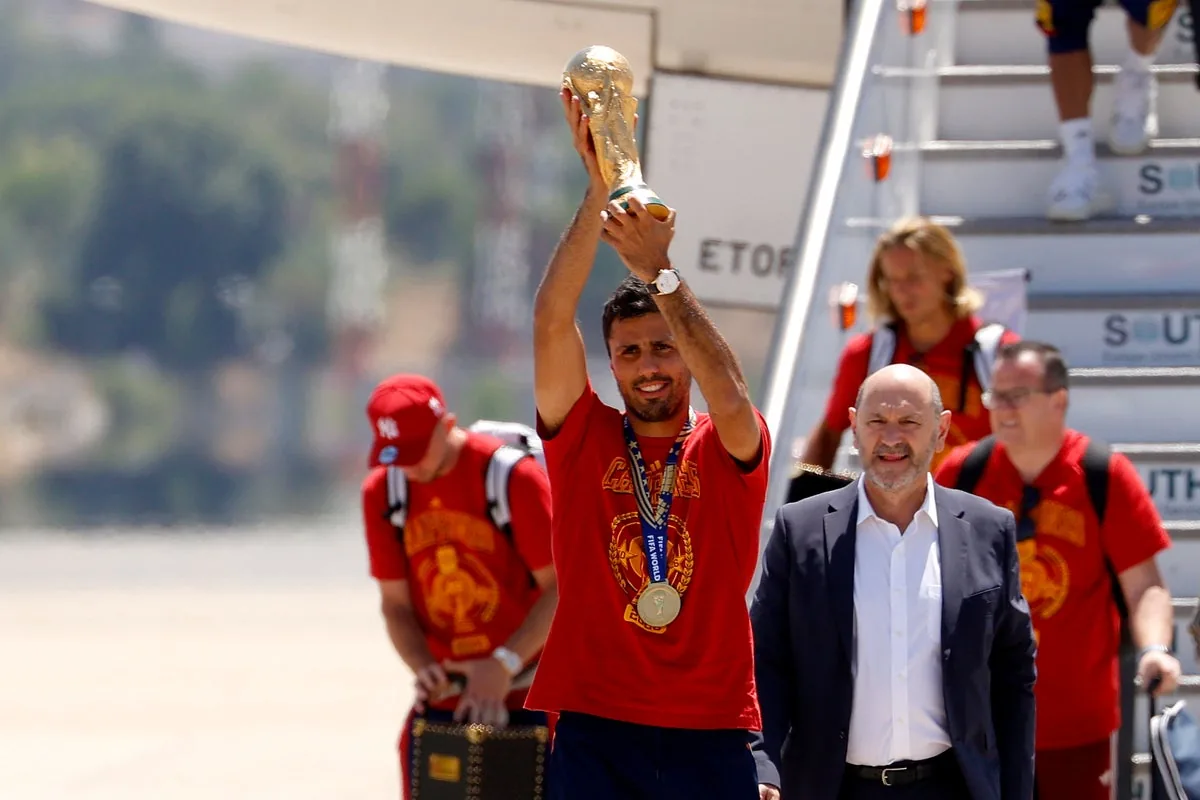
Spain‘s World Cup champions have returned to Madrid, where they are set to embark on an elaborate trophy parade through the capital’s streets. The team’s plane was scheduled to land at Adolfo Suárez Madrid–Barajas Airport around 2:30 PM on Monday. Following their arrival, the players, coaching staff, and federation officials will have a period of downtime, including lunch at a secure location, before the celebrations commence.
The open-top bus parade is slated to begin at 7 PM local time (6 PM BST). Crowds had already gathered in Madrid‘s Puerta de Sol and other major squares, celebrating into the early hours of Monday morning. Supporters are also securing spots in Cibeles Square in anticipation of the parade, braving the sun.
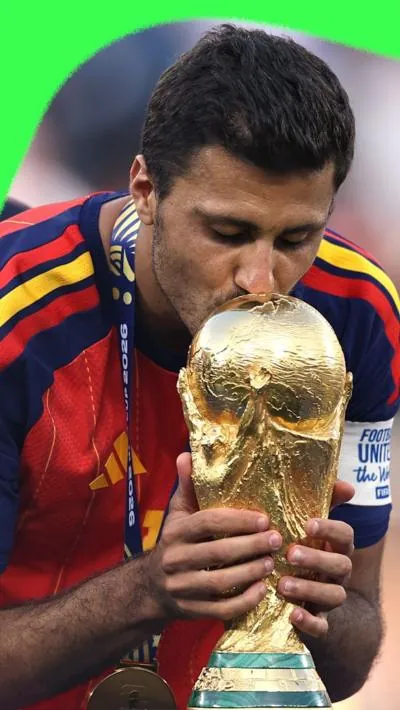
Spain secured their second men’s World Cup triumph with a goal from Ferran Torres, who calmly scored at the start of the second half of extra time. This victory came after a match that was described as bizarre and at times unusual for 90 minutes. The win denied Lionel Messi what was likely his final World Cup appearance, with the aftermath further impacting the occasion for the 39-year-old football figure.
Post-Match Incidents and Investigations
While Spain celebrates, Argentina returned home amidst controversy following incidents at the end of their final defeat in New Jersey. Fifa is expected to investigate the post-match scenes to determine if additional disciplinary action is warranted. Violent conduct typically carries a three-match ban.
The final match itself was a dire spectacle for 90 minutes, with Argentina offering little throughout the game and reacting poorly after the final whistle. Beyond the teams, Donald Trump was also noted to have inserted himself into the trophy lift, appearing at the edge of the celebration despite attempts by Gianni Infantino to usher him away. This occurred after Trump had presented the Spanish players with medals and the trophy.
Audience Engagement and Tournament Reach
The World Cup final, which saw Spain defeat Argentina, attracted a significant audience. The match garnered a peak audience of 15.8 million on one broadcasting platform and its associated streaming service. The average viewership for the game was 13.9 million, with the broadcaster capturing a 64% share of all television viewing for the match.
The final was streamed 11.1 million times across various digital platforms, including 2.4 million UHD streams. Live text coverage on the broadcaster’s website and app was viewed over 18.8 million times, with 14.2 million views originating from the UK, providing fans with news, analysis, and updates.
Across the entire World Cup tournament, the broadcaster achieved an overall reach of 42.8 million across television viewing. World Cup matches were streamed 237 million times on the broadcaster’s streaming service and website, which is more than double the figures from the 2022 World Cup. Content related to the tournament accounted for 33% of all material streamed during the competition.
The broadcaster’s sports website and app attracted 57.2 million unique visitors, with fans viewing content 1.7 billion times. Match highlights from the World Cup were streamed 67.3 million times, and a new football-focused YouTube channel generated 100 million views across its diverse content. On social media, clips, interviews, analysis, press conferences, and fan moments amassed 2.55 billion video views, with one interview alone receiving 77 million views on TikTok.
The third-place play-off between England and France on Saturday also drew a substantial audience, with a peak of 11.8 million viewers and an average of 10.8 million.
Read Also
Source: independent.co.uk