Tournament highlights and political undertones
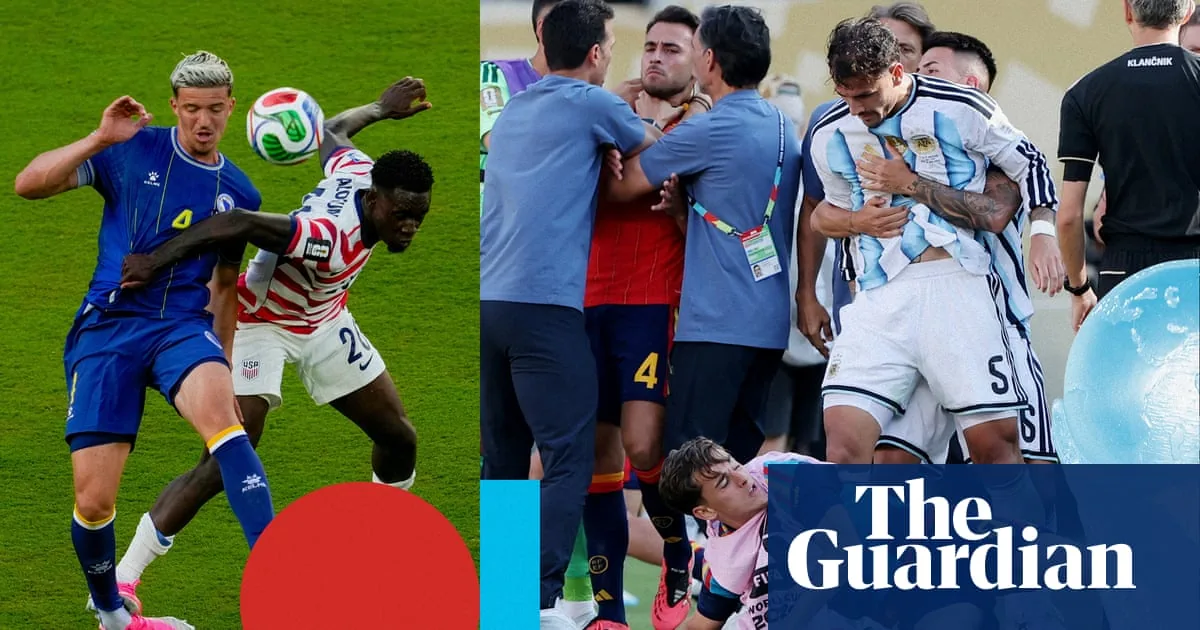
The World Cup 2026 concluded with Spain defeating Argentina in the final, after overcoming tournament favourites France. The Spanish captain, Rodri, lifted the trophy following an awkward moment where United States President Donald Trump remained on stage, requiring intervention from FIFA President Gianni Infantino to allow the team their celebratory moment. This incident followed the president’s earlier order to halt US trade with Spain due to what he cited as insufficient military spending and opposition to the US-Israel war on Iran.
The tournament was marked by a mix of hospitality and political tension. While some fans experienced American hospitality, with cities like Kansas City embracing Algeria and Boston hosting Scottish fans, others noted the Trump administration’s less welcoming attitudes. These included visa denials, alleged mistreatment of the Iranian team, and the controversy surrounding the denial of entry to Somali referee Omar Artan.
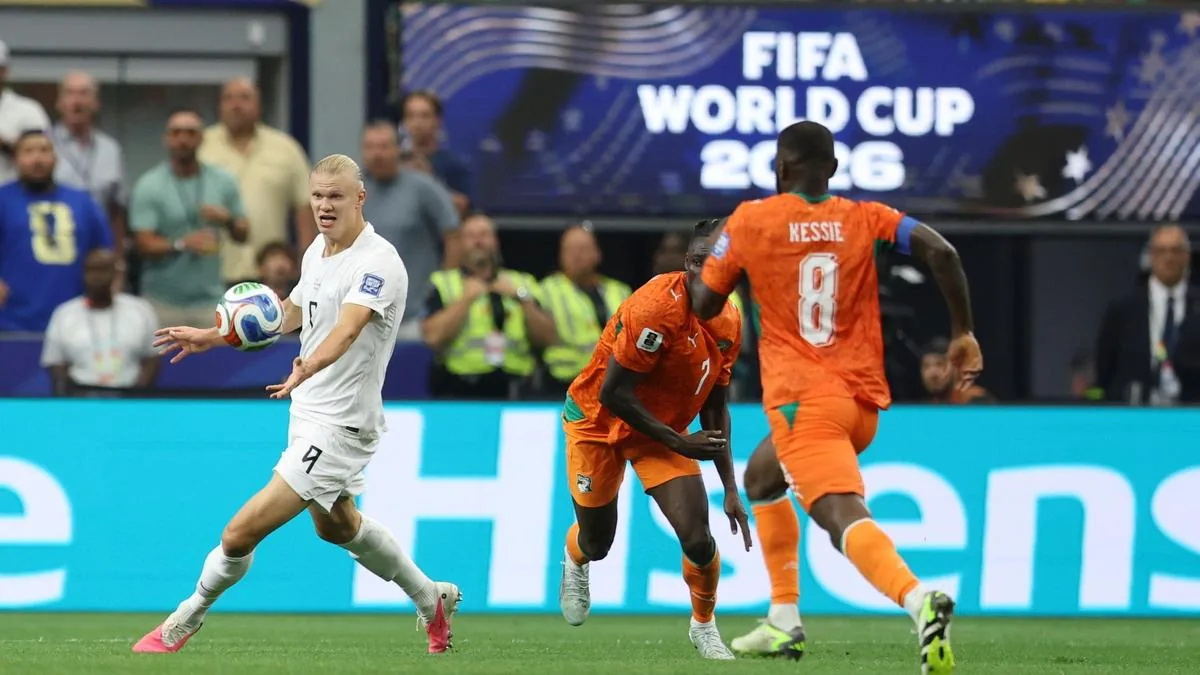
The competition also saw various teams achieve notable runs, such as Cape Verde’s heroic performance and Norway’s deep run into the quarter-finals. Despite these Cinderella stories, the top four FIFA-ranked teams ultimately reached the semi-finals. The tournament showcased football’s capacity to unite and bring joy, with fans of losing teams continuing to celebrate the game.
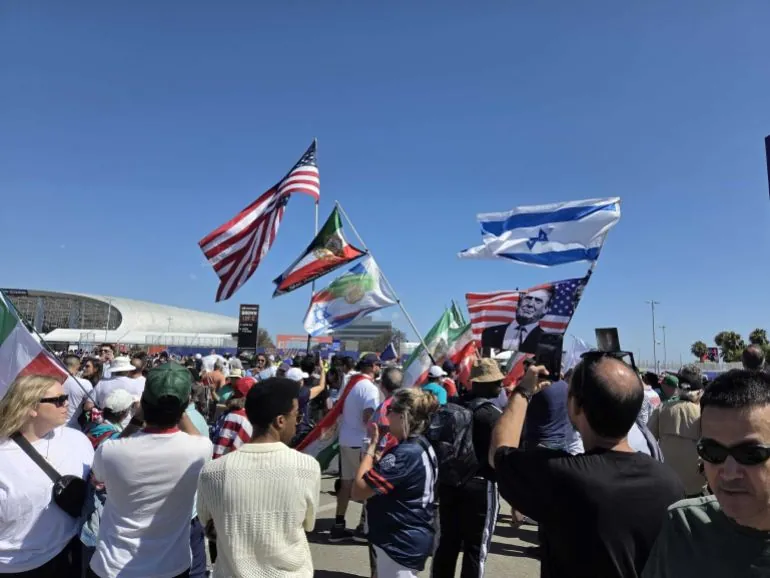
However, the event was also used to highlight divisions. Some Iranian fans faced abuse and Islamophobic chants from anti-government activists. The US hosts imposed travel restrictions on the Iranian team, and following Iran’s group stage exit, US Department of Homeland Security Secretary Markwayne Mullin expressed his happiness. The World Cup, intended to be apolitical, was perceived by some as a “political summit,” with President Trump taking a central role. He acknowledged contacting FIFA officials to revoke the suspension of USA striker Florian Balogun, though Team America subsequently lost 4-1 to Belgium.
Fan experience and commercialisation
The World Cup brought the sport to a country that had not fully embraced football, allowing FIFA to introduce an Americanised twist. This included mid-half hydration breaks for commercials, championship rings, and half-time shows. While football is known for its accessibility, watching the matches in person became a privilege for those who could afford it, with ticket prices ranging from hundreds to hundreds of thousands of dollars, effectively excluding working-class fans.
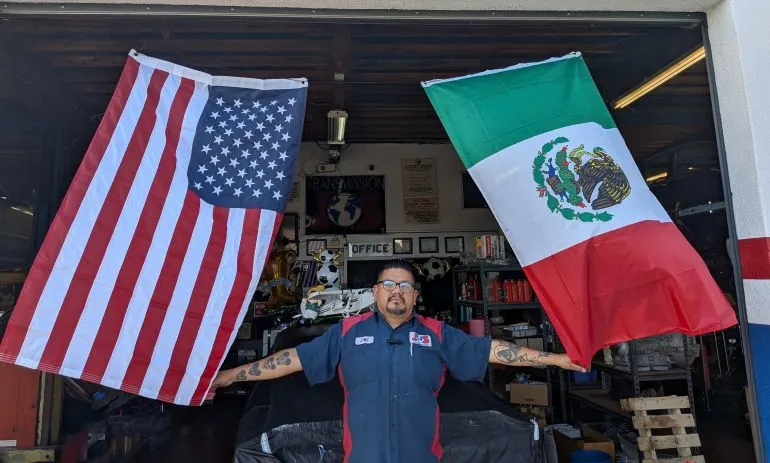
Juan Cortes, a mechanic in the Los Angeles area, expressed his disappointment at not being able to attend any games, despite the Los Angeles Stadium being only a few kilometres from his shop. He noted that it was not every day a World Cup came to his country, highlighting the financial barriers many local fans faced.
The location of the final also presented challenges. Despite the New York skyline in the background, the New York New Jersey stadium is situated in suburban New Jersey, surrounded by car parks and motorways, making it difficult to access by foot for city dwellers.
Controversies and future implications
The tournament faced criticism for various issues, including the treatment of Iran and the high ticket prices. The Balogun Affair, where political pressure reportedly influenced a player’s participation, raised questions about FIFA’s adherence to precedent. This incident, along with the alleged gerrymandering of qualification criteria for the Club World Cup to ensure Lionel Messi’s participation, suggests a prioritisation of revenue generation over the integrity of the game.
The Italian newspaper la Gazzetta dello Sport published a double-page spread criticising the World Cup as a “disaster,” citing issues such as ticket prices, the Balogun situation, weather conditions, an increase in games, and reduced rest periods. Following this, the newspaper’s ticket allocation for the final was reportedly reduced from five to two, raising concerns about FIFA’s attitude towards media criticism.
The overall football quality was described as good but not exceptional, with many thrilling matches occurring in the early stages. The final itself was deemed a “dismal” affair. Despite these contradictions and inconsistencies, the North America World Cup delivered memorable moments, excitement, and entertainment that will be remembered for decades.
Read Also
- Madrid prepares for Spain's World Cup trophy parade as Argentina faces investigation
- Argentina's World Cup Final Conduct Under Scrutiny After Defeat to Spain
- India's Rohit Sharma dismisses retirement speculation, eyes World Cup 2027
- Messi expresses immense pain after Argentina's World Cup final loss to Spain
Source: aljazeera.com