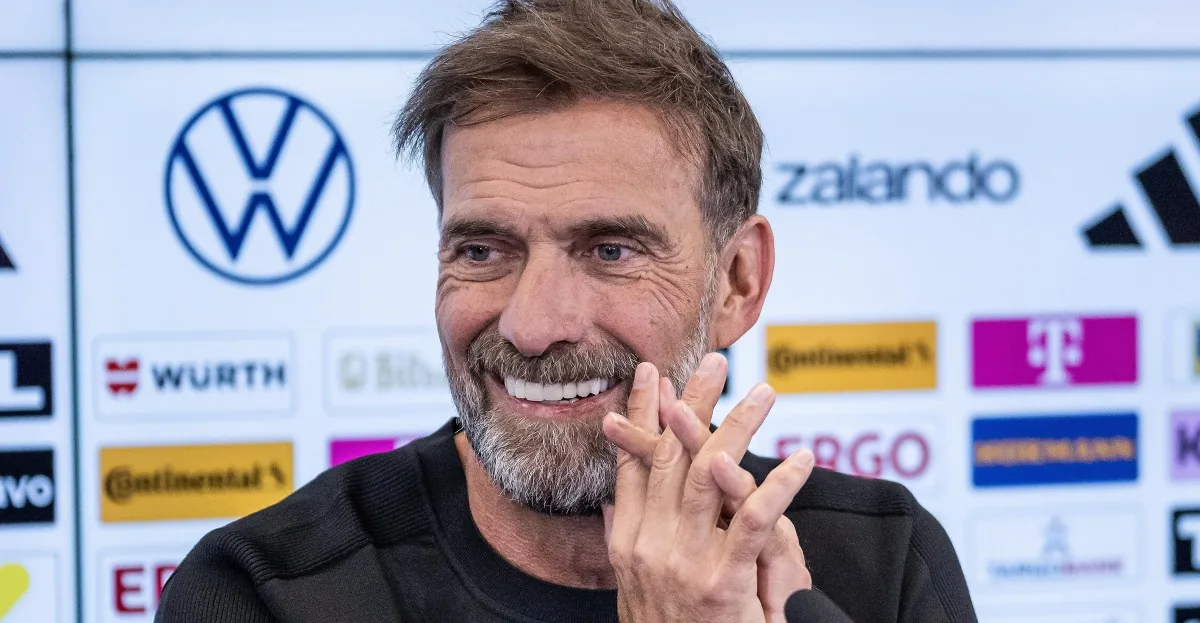
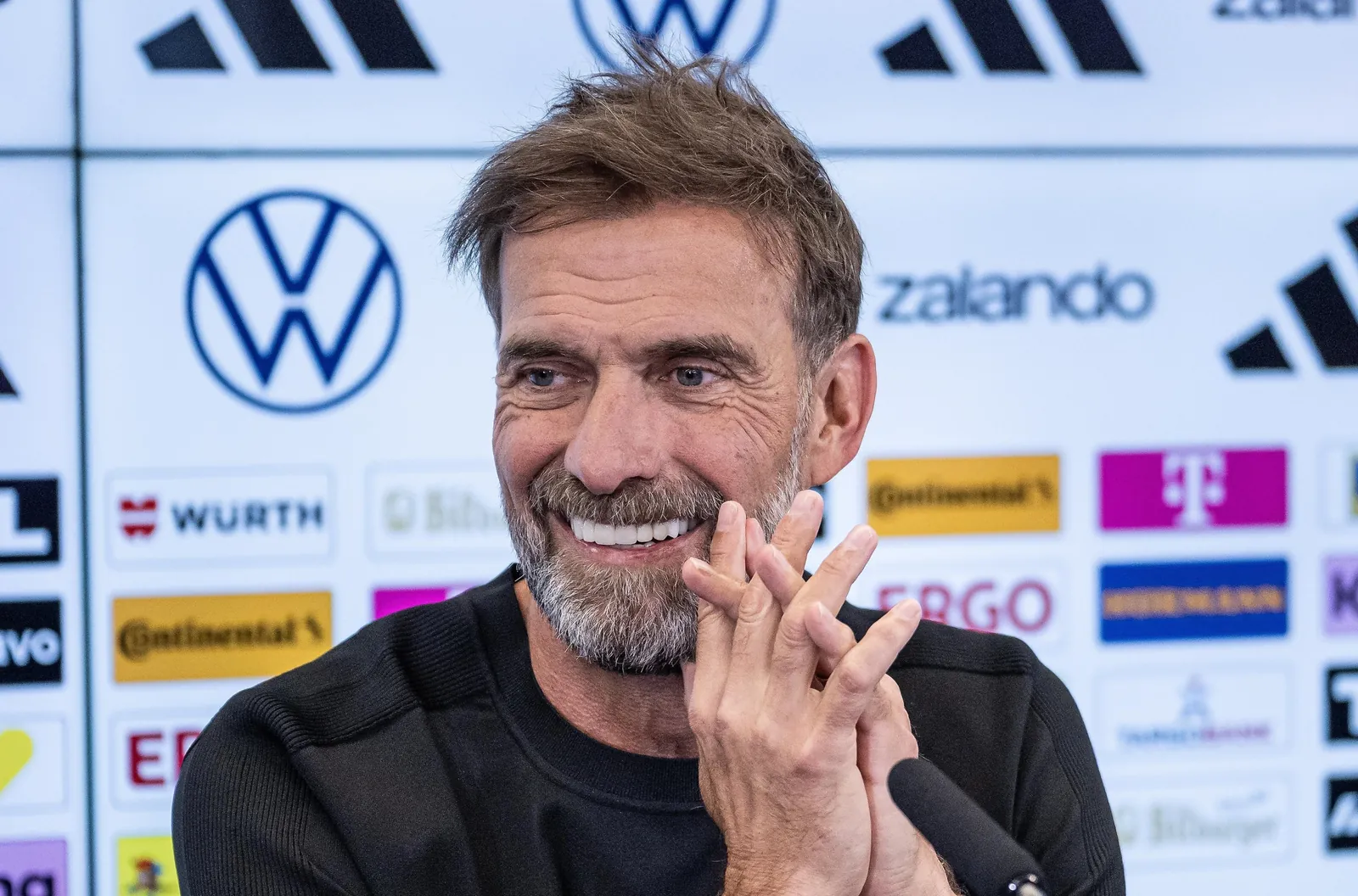
Jürgen Klopp, formerly manager of Liverpool and Borussia Dortmund, has been officially appointed as the new head coach of the German national football team. He has signed a four-year contract, with the primary objective of revitalising the team after a series of disappointing tournament performances. This appointment follows Julian Nagelsmann‘s departure.
Per Mertesacker, a former Germany international and member of the 2014 World Cup-winning side, has also been appointed as managing director for sport, with his contract extending until the 2030 World Cup. Klopp will be supported by Peter Krawietz, Pep Lijnders, and Sven Bender as assistant coaches.
Klopp’s Vision and Immediate Challenges
Klopp expressed his enthusiasm for the role, stating his aim to develop a fighting team that connects with the German people. He highlighted the special nature of the task in German football, emphasising humility and patience in building a team that enjoys football and can rally the country’s support.
The new coach faces several key issues. One immediate priority is to resolve the goalkeeping situation. Manuel Neuer, now 40, is no longer considered the ideal choice, and a permanent successor is needed. While Marc-André ter Stegen and Oliver Baumann are advancing in age, younger talents like Jonas Urbig, 22, from Bayern Munich, and Moritz Nicolas, 28, from Borussia Mönchengladbach, are emerging as potential options.
Another challenge involves maximising the potential of attacking talents Florian Wirtz and Jamal Musiala, both 23. Wirtz had a difficult first season and managed only three assists without scoring at the 2026 World Cup. Musiala has not fully regained his form since returning from a serious leg injury, scoring just once during the 2026 World Cup, in a 7-1 victory over Curaçao. Klopp is expected to build his attacking strategy around these two players.
Strengthening the Squad and Fan Connection
Finding a consistent goal-scoring striker is also a significant task for Klopp. The centre-forward role has been problematic for Germany, with various players like Nick Woltemade, Jonathan Burkardt, and Niclas Füllkrug failing to cement their place. Kai Havertz, despite being an option, is not a natural out-and-out centre-forward and has shown inconsistency in his final touch.
Klopp also needs to reactivate the talent pipelines from Bayern Munich and Borussia Dortmund. Historically, these clubs have been crucial sources of national team players. However, at the 2026 World Cup, only 10 players from these two clubs were in the squad, with almost half of them over 30. While talents like Nico Schlotterbeck, Aleksandar Pavlović, Musiala, Lennart Karl, and Felix Nmecha are noted, a stronger base of home-grown players from these clubs is seen as essential for sustained success.
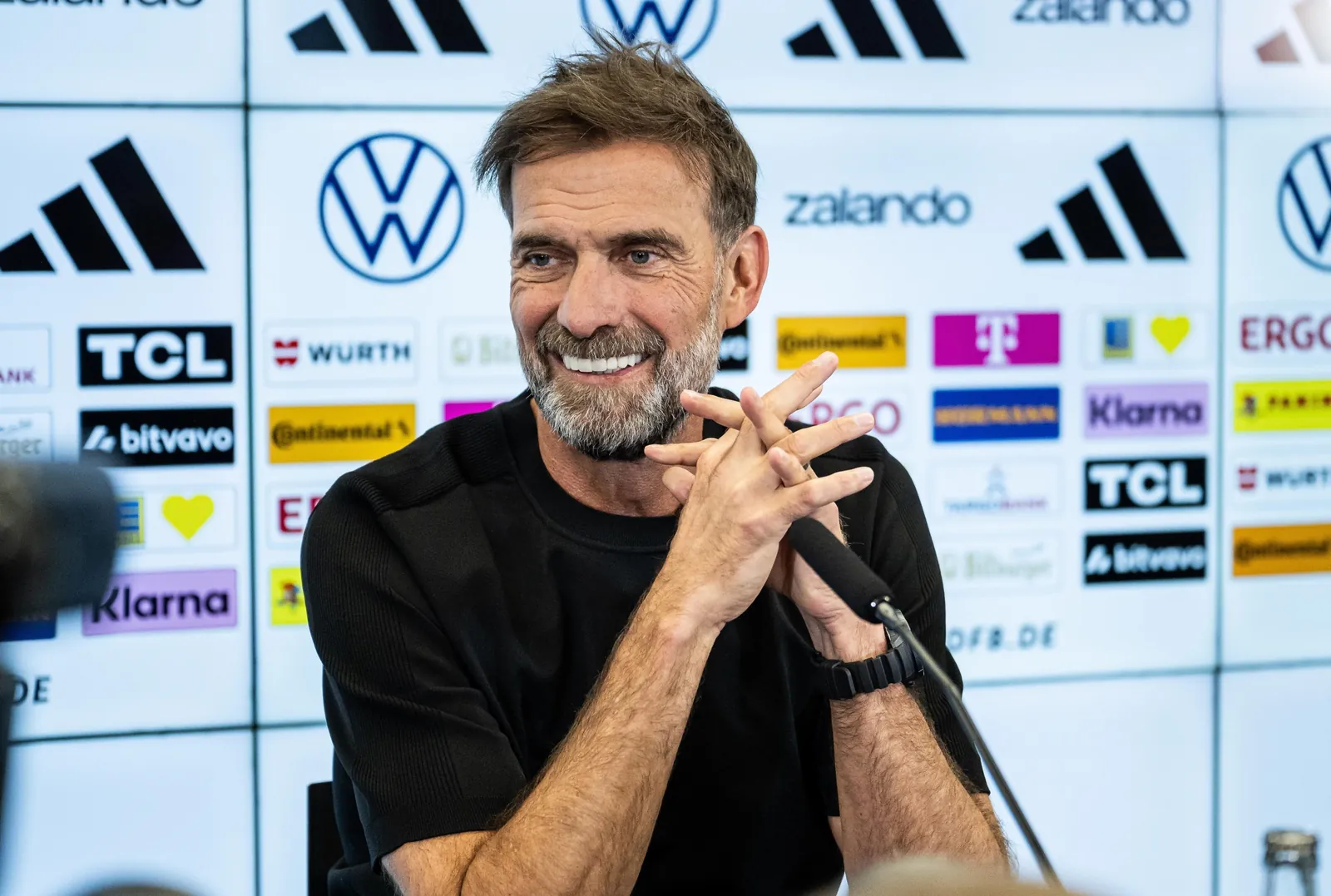
Beyond the technical aspects, Klopp is tasked with rebuilding trust between the national team, German fans, and the media. Repeated failures in major tournaments, particularly the World Cup, have eroded faith. Klopp’s strong personality and ability to connect with supporters are seen as assets in changing the mood around the team. He aims to engage with players early on, stating that maintaining contact is very important and will be his first task.
The German Football Association (DFB) confirmed that Klopp was their ideal choice from the start. DFB president Bernd Neuendorf stated that discussions with Klopp reinforced their belief that he is the right person for the role at this time. Klopp’s appointment comes after Germany’s early exit in the round of 32 at the 2026 World Cup.
Source: goal.com