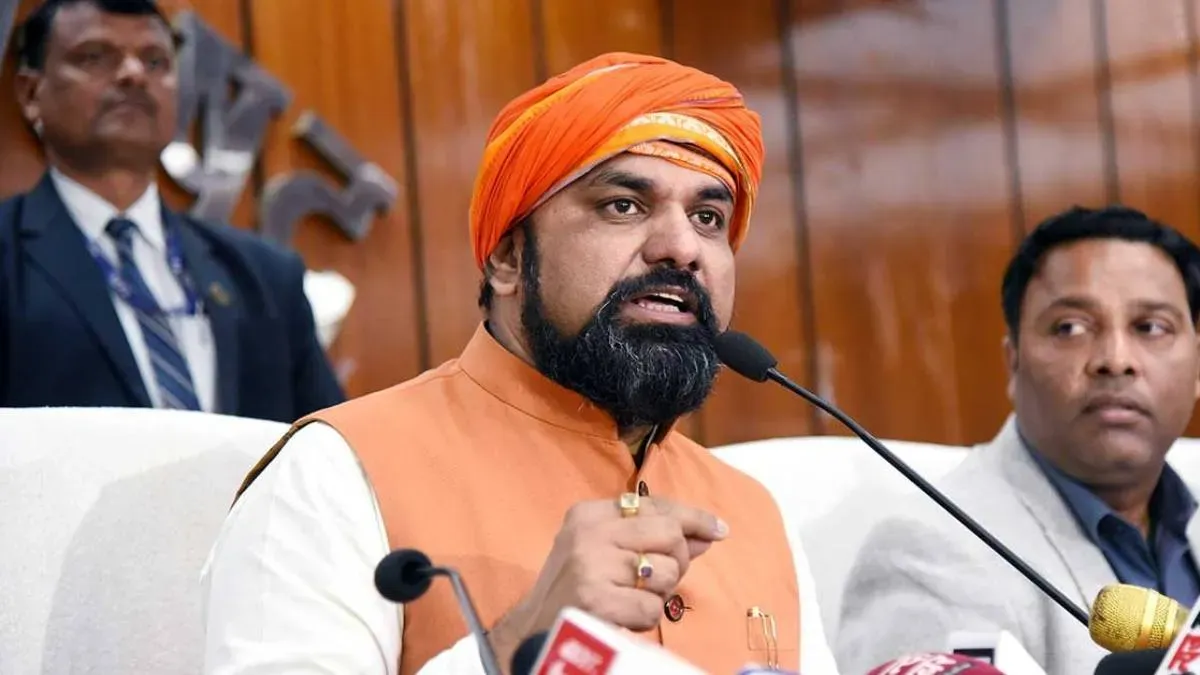
What does Samrat Chaudhary’s ascension to the Chief Ministership of Bihar signify for the state’s political landscape? It marks a historic shift, as Chaudhary is set to become the first Chief Minister from the Bharatiya Janata Party (BJP) following the resignation of Nitish Kumar, who served for over two decades. This transition not only reflects the changing dynamics within Bihar’s political sphere but also highlights the BJP’s growing influence in a region traditionally dominated by other parties.
Chaudhary’s political journey has been extensive, spanning over three decades. Born on November 16, 1968, he has been a prominent figure in Bihar’s politics since his first major breakthrough in 1999 when he was appointed as the Minister of Agriculture in the RJD-led government. His political career took a significant turn when he joined the BJP in 2018, eventually becoming the state president in 2023. Under his leadership, the BJP secured 74 seats in the 2020 assembly elections, a testament to his growing influence and strategic acumen.
The announcement of Chaudhary as the next Chief Minister was made following Kumar’s resignation, which ended a remarkable 20-year tenure. Kumar’s departure has opened a new chapter in Bihar’s governance, and Chaudhary’s appointment is seen as a pivotal moment for the BJP, which has been striving to solidify its foothold in the state. His name was proposed by Deputy Chief Minister Vijay Sinha and received endorsement from Union Minister Shivraj Singh Chouhan, underscoring the support he has garnered from the party’s leadership.
Chaudhary’s background is notable; he belongs to the Koeri-Kushwaha caste, which constitutes approximately 4.2% of Bihar’s population. This demographic connection may play a crucial role in his governance approach, as he aims to address the aspirations of various communities within the state. In his statements, Chaudhary expressed gratitude to the BJP for the opportunity to serve, emphasizing his commitment to fulfilling the trust and dreams of the people of Bihar. “This is not merely a position for me, but a sacred opportunity to serve the people of Bihar,” he stated, reflecting his dedication to public service.
As he prepares for the oath-taking ceremony scheduled for April 15, 2026, the political landscape in Bihar is poised for transformation. Chaudhary has pledged to lead with integrity and dedication, promising to work towards making Bihar prosperous. “Together we will make Bihar prosperous and make the country developed,” he remarked, indicating his vision for the state’s future.
While the immediate future seems promising for Chaudhary and the BJP, uncertainties linger regarding how his leadership will navigate the complex political terrain of Bihar. The dynamics of coalition politics, particularly with the National Democratic Alliance (NDA), will be crucial as he seeks to implement his agenda. Details remain unconfirmed about the specific policies he intends to prioritize, but his past experience as Deputy Chief Minister and Minister of Agriculture may inform his approach to governance.
As Bihar stands on the brink of this new political era, the implications of Chaudhary’s leadership will be closely monitored. His ability to unite various factions within the state and address pressing issues will determine not only his success but also the future trajectory of the BJP in Bihar. The coming months will reveal whether Chaudhary can translate his political experience into effective governance, fulfilling the high expectations set upon him by party leaders and the electorate alike.