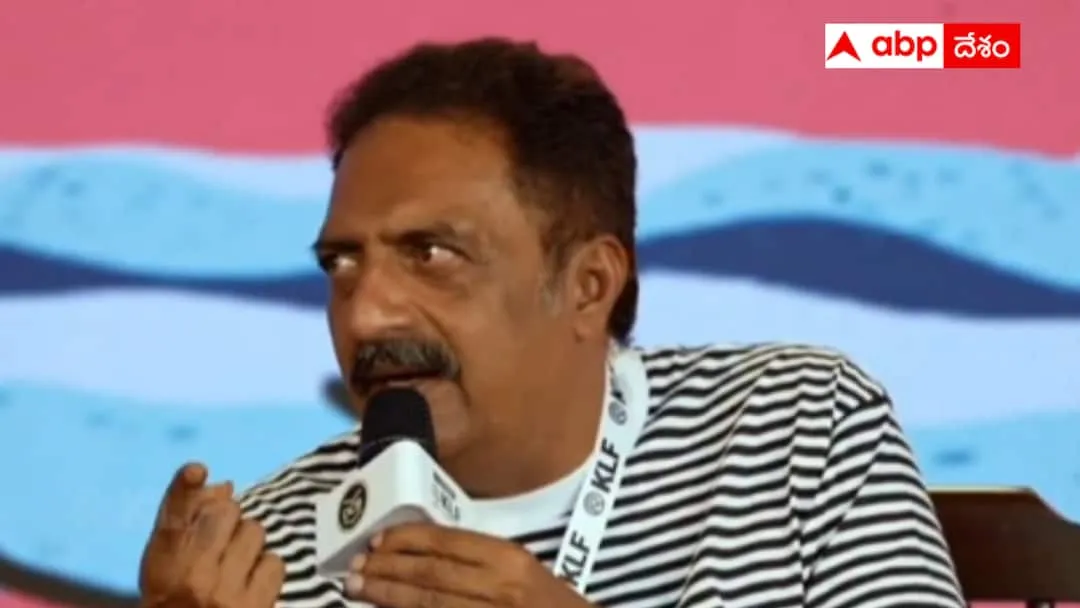
On April 17, 2026, at a literary festival in Kerala, Prakash Raj made comments that would soon reverberate across social media and ignite a firestorm of controversy. He described Lord Rama and his brother Lakshmana as migrant workers from North India—words that would not only challenge traditional narratives but also provoke outrage among many.
During his talk, he claimed that Rama and Lakshmana had stolen fruits from Ravana’s orchard, which he argued led to their legendary conflict. This retelling of the Ramayana—a sacred epic in Hinduism—was perceived by many as a mockery. “Prakash Raj narrates a made-up version of Ramayana to mock Hindus,” one critic remarked sharply.
His assertions quickly drew ire from Hindu organizations and netizens alike. Social media exploded with condemnation, with users labeling his comments as an unforgivable act aimed at political gain. Critics alleged that he was distorting cultural heritage to promote his own agenda, particularly regarding beef consumption—a contentious topic in Indian society.
Some took to Twitter to express their anger: “Ram JI was North Indian,” one user stated emphatically. Another added, “Ravan was South Indian tribal,” highlighting the regional nuances in the epic that Raj seemed to overlook or intentionally distort.
The fallout was immediate and intense. Many accused him of inciting regional differences between North and South India, further polarizing an already divided audience. His remarks were viewed not just as an attack on Hinduism but as a broader commentary on identity politics in contemporary India.
Yet, this incident is not just about one man’s comments; it reflects a growing trend where public figures navigate the complex waters of cultural narratives for their own ends. The Ramayana has long been a touchstone for various interpretations and retellings, but Raj’s approach struck many as particularly provocative.
As the dust settles on this controversy, where does Prakash Raj stand now? He remains a polarizing figure—his career marked by both acclaim and criticism. The current state of affairs leaves him under scrutiny, with supporters and detractors vocalizing their opinions across platforms.
This sequence of events matters because it illustrates how cultural narratives can be weaponized in public discourse. For those involved—be it Raj himself or the communities reacting to his comments—the implications are profound and far-reaching.
Details remain unconfirmed regarding any potential repercussions for Raj following this incident. However, one thing is clear: his words have sparked a conversation that transcends mere entertainment; they delve into the heart of identity and belief in modern India.