Growing Opposition to Infantino
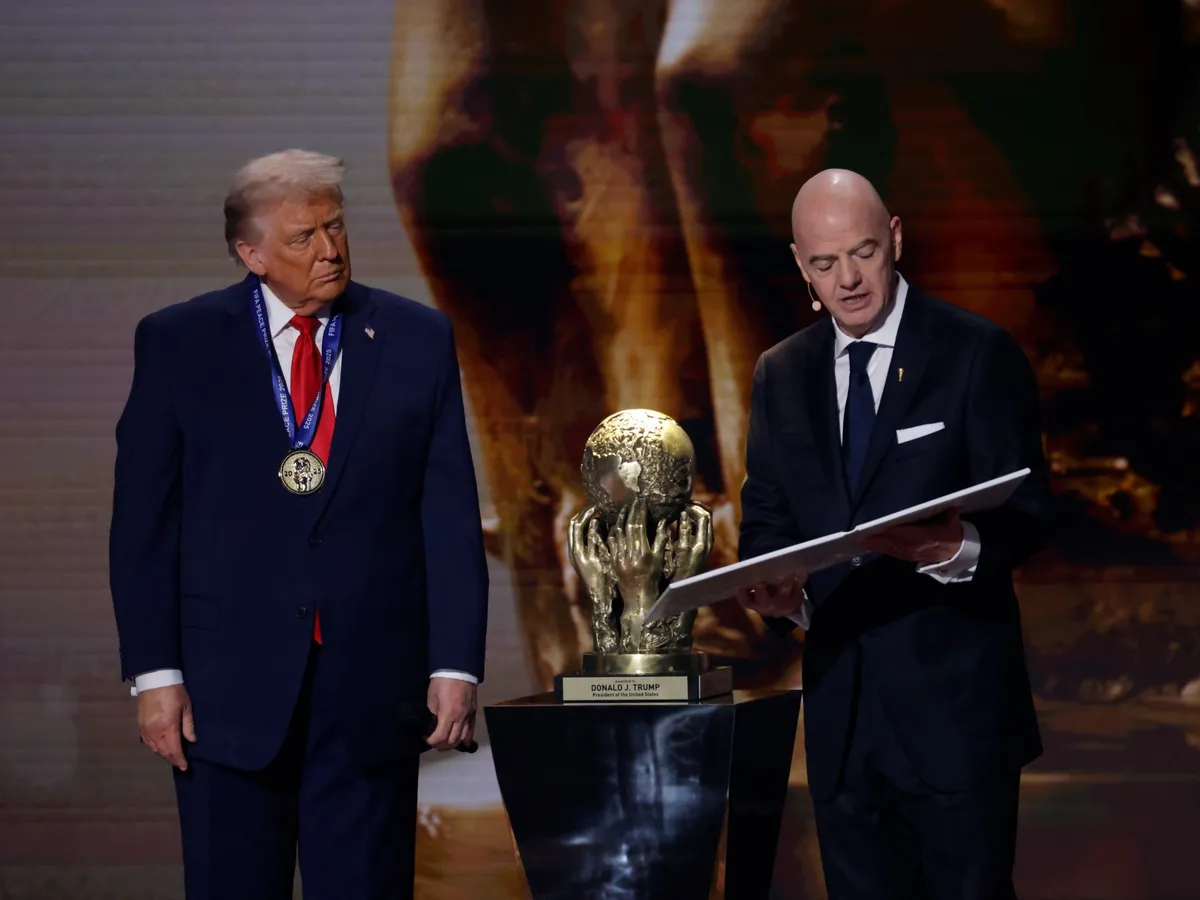
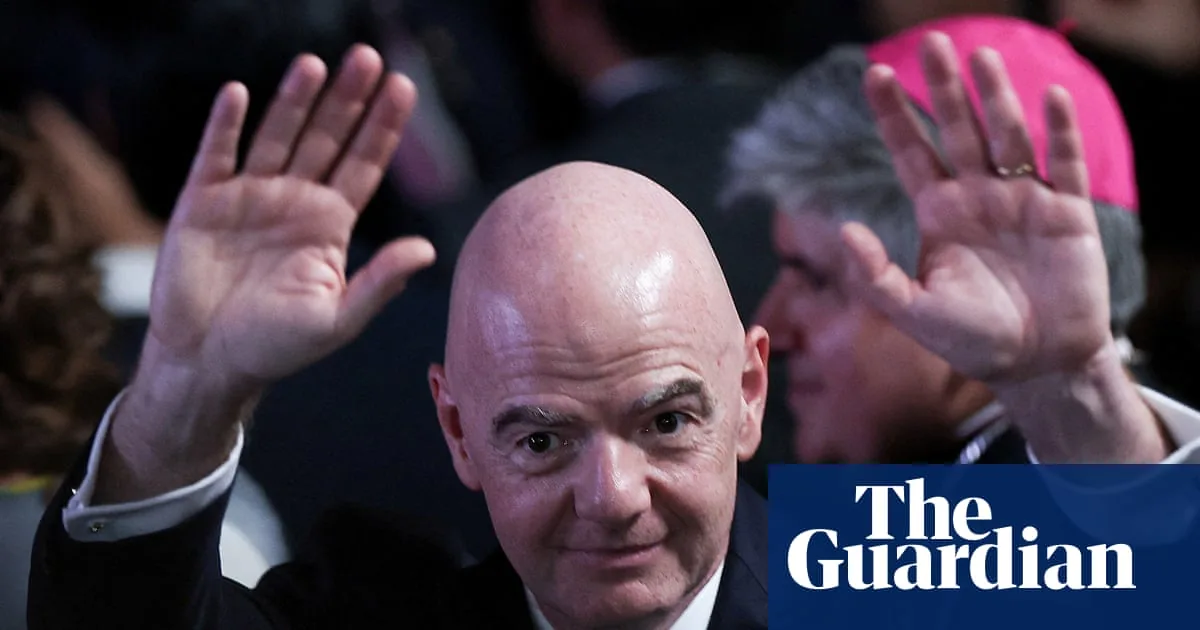
Gianni Infantino, president of Fifa, is facing increasing scrutiny and opposition regarding his leadership, particularly after his abandoned proposal to sell stakes in the World Cup and other competitions to private investors. While he was initially expected to secure a fourth term unopposed in the upcoming March election, the landscape has significantly shifted. A map illustrating the views of Fifa‘s 210 member associations reveals a notable division, with 124 in opposition, 73 in support, and 13 undecided. This fluid situation suggests that the upcoming months could see further changes in allegiances.
The backlash intensified recently when Uefa (Europe), Concacaf (North America), and the Asian Football Confederation (AFC) issued a joint letter. This letter accused Infantino and Fifa of breaching trust through “deception.” These three regional governing bodies collectively represent 136 member associations, indicating a significant coalition against the current leadership. Several European nations, including England and Wales, have already withdrawn their letters of support for Infantino.
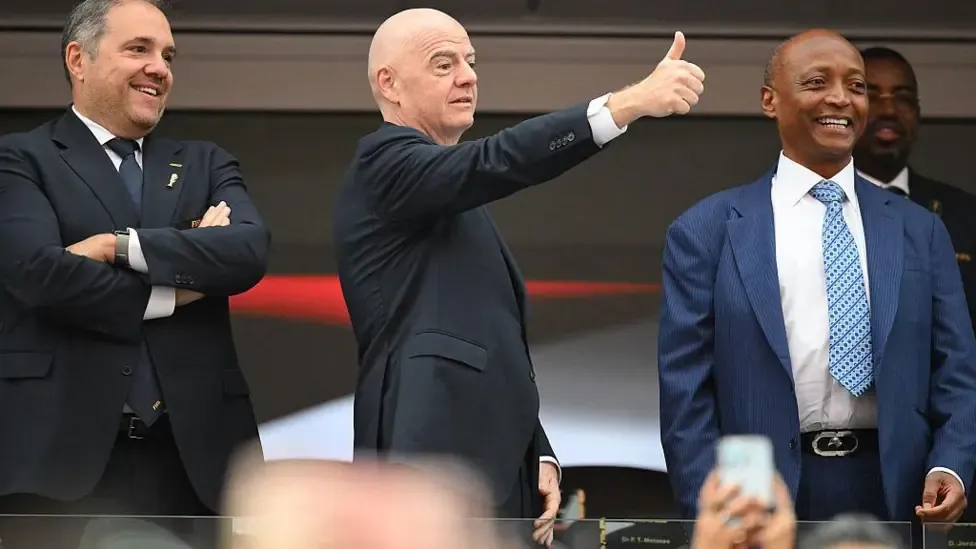
Despite the unified stance from these confederations, some dissenting members exist within them. For instance, Bhutan, the Philippines, and the UAE within Asia have backed Infantino. Similarly, Mexico has publicly supported Infantino, breaking ranks within Concacaf. The USA and Canada have expressed support for Concacaf‘s statement but have not explicitly declared opposition to Infantino‘s presidency.
Shifting Alliances and Potential Challengers
Football Australia has aligned itself with the AFC‘s position, calling for “clear and credible action” to enhance governance, transparency, and accountability within Fifa. However, Football Australia stopped short of demanding Infantino‘s resignation. Its focus remains on ensuring a transparent and independent process to understand the recent events and strengthen decision-making systems.
The Oceania Football Confederation (OFC) has not yet made a public statement regarding the situation. The OFC indicated that it would release a statement following a meeting scheduled for Thursday. This suggests that the positions of its 11 member associations could become clearer soon.
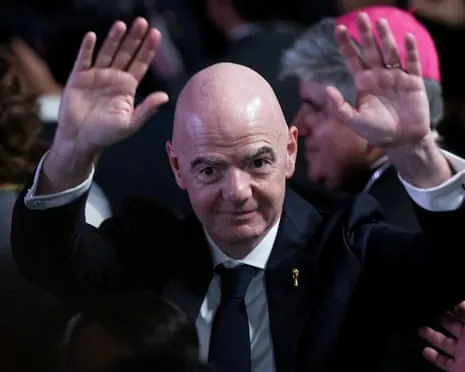
Infantino still maintains strong support, particularly from African (Caf) and South American (Conmebol) nations. These regions have reportedly benefited from substantial investment through the Fifa Forward programme since Infantino assumed office a decade ago. This investment, amounting to billions of dollars, could be crucial in securing votes from nations in the AFC, Concacaf, and OFC, especially those lower down the football hierarchy.
Asia is considered a potential swing region, with many associations yet to declare their position. Saudi Arabia, which was awarded hosting rights for the 2034 World Cup during Infantino‘s tenure, has not taken a public stance. The outcome of its own football leadership elections in August could influence its position and potentially sway other nations in the region.
The Path Ahead for Fifa Leadership
Infantino has not indicated any intention to resign. However, there is a possibility that his leadership could conclude by the autumn if Fifa Council members attempt to force his resignation through an emergency meeting. Such a meeting would require 19 of the 37 council members to call for it and must take place within a fortnight.
The Fifa Council comprises nine members from Uefa, seven from AFC, six from Caf, five from Concacaf, five from Conmebol, and three from Oceania, along with Infantino himself and Fifa secretary general Mattias Grafstrom. Given this composition, forcing a resignation through the council is considered unlikely.
The alternative is for a candidate to challenge Infantino in the March election. While no individual has officially announced their candidacy, Concacaf president Victor Montagliani has been frequently mentioned as a potential challenger. If the leaders of Uefa, Concacaf, and AFC are committed to replacing Infantino, uniting behind a single candidate before the November deadline for declarations is likely their most effective strategy.
The overall global picture remains uncertain due to emerging divisions within confederations and the absence of a clear challenger. The map of votes could change significantly depending on who decides to run against Infantino. For example, if AFC president Sheikh Salman were to step forward, it could potentially shift support from some Asian associations currently backing Infantino.

The current situation indicates that Infantino is no longer assured of a fourth term, with the global football community showing significant signs of division.
Source: bbc.com