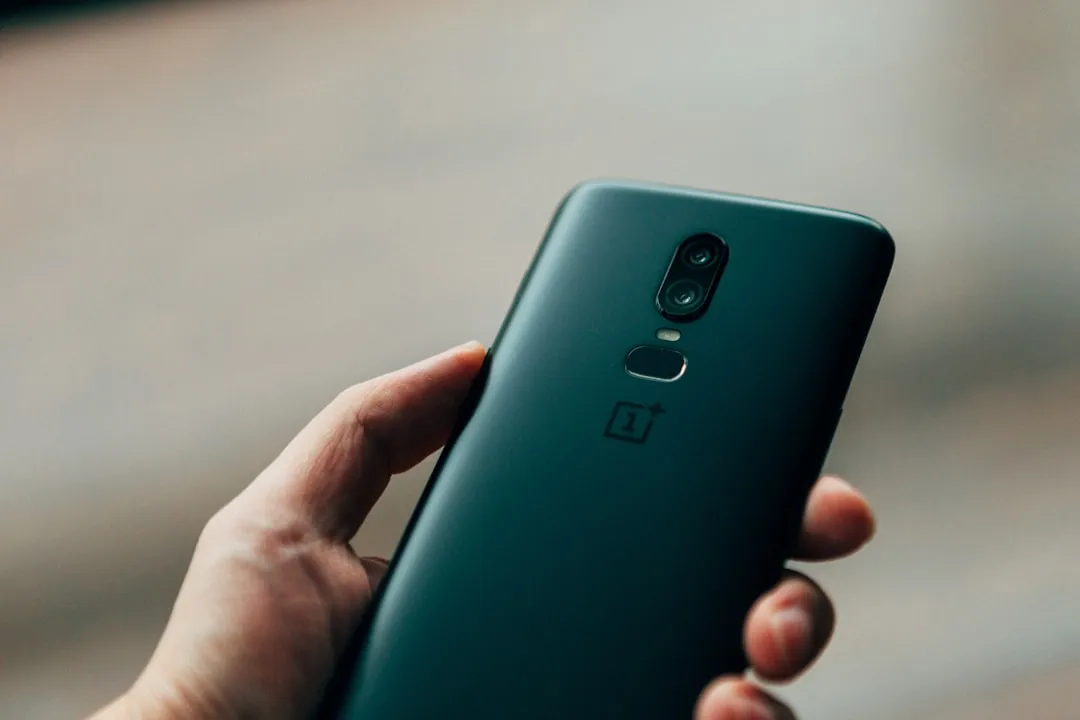
The merger of OnePlus and Realme officially took place on April 29, 2026, signaling a major shift within the Oppo group. This consolidation comes amid ongoing concerns regarding OnePlus’s viability in global markets, particularly in Europe.
Prior to this development, OnePlus operated as a sub-brand of Oppo, while Realme had already merged with Oppo earlier that same year. The expectation was that both brands would continue to carve out their individual identities in a competitive landscape. However, recent months saw OnePlus struggle to announce new products for global markets.
With the merger now complete, both companies will unify their global and domestic operations under a new sub-product center. This includes streamlined marketing and after-sales services—a move aimed at improving customer experience across both brands.
The immediate effects are evident. Robin Liu, who previously served as OnePlus India CEO, resigned effective March 31, 2026. Despite the merger rumors swirling around them, OnePlus India reassured stakeholders: “OnePlus India continues to operate its business as usual, with all local operations on track.” Yet, uncertainty looms over how this merger will impact their future product strategy.
Experts weigh in on the implications of this merger. They note that while Realme has established a presence in Europe and other global markets, it lacks footing in the United States. This could influence how the newly merged entity approaches its international strategy moving forward.
As analysts sift through these developments, they highlight that OnePlus is reportedly evaluating its future in Europe. The synergy between these two smartphone brands could either bolster their market position or complicate their operational dynamics.
The next steps for both brands remain unclear. Officials have not confirmed how the merger will reshape their strategies or product lines in various regions. The smartphone industry watches closely as these changes unfold.