During an election rally in Jaipur, Yogi Adityanath stirred the pot by attributing a famous quote—”Give me blood and I will give you freedom”—to Swami Vivekananda, claiming it was originally said by the revered spiritual leader.
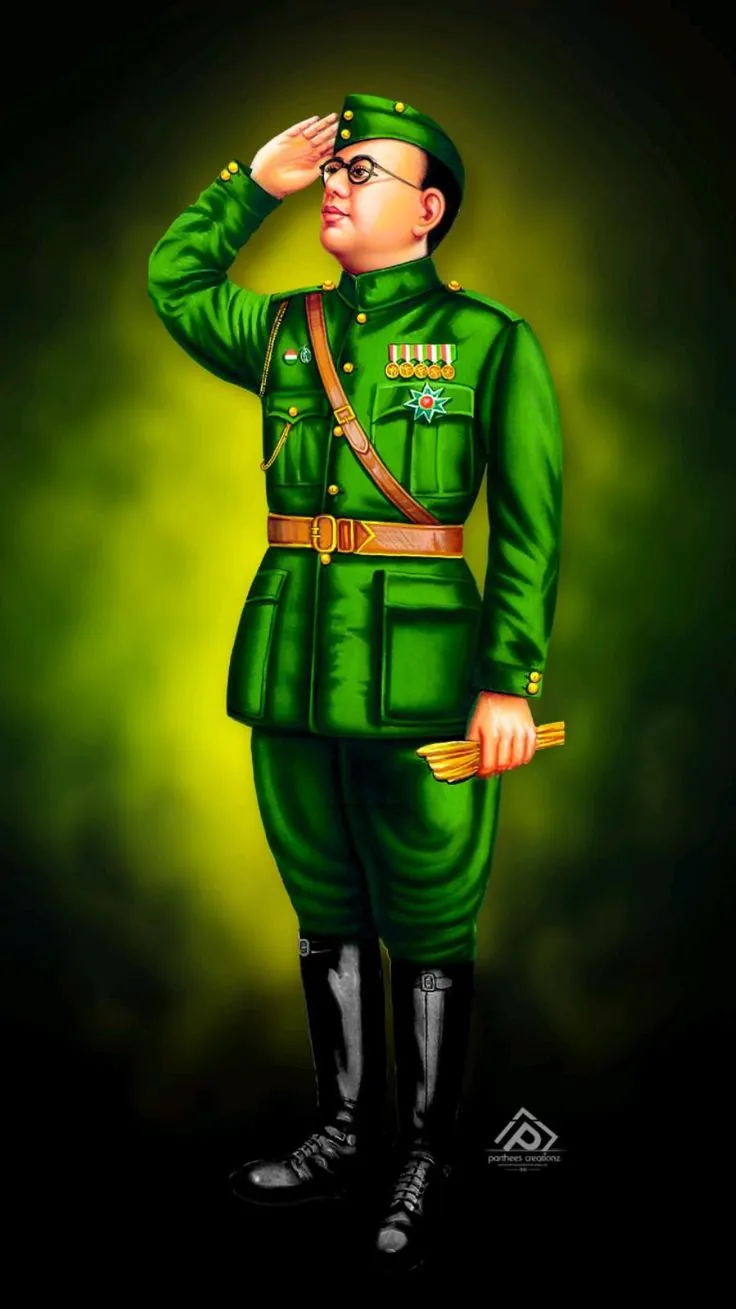
This assertion immediately raised eyebrows. The quote is widely recognized as belonging to Subhash Chandra Bose, a key figure in India’s struggle for independence. Critics were quick to respond; Mahua Maitra of the Trinamool Congress stated bluntly, “Swami Vivekananda did NOT say it.” Her words echoed the sentiments of many who felt that historical accuracy was being compromised.
The incident highlights a broader issue: the importance of understanding history within political discourse. Yogi Adityanath’s comments not only misattribute a significant quote but also reflect a trend where historical figures are invoked to bolster contemporary political narratives.
Adityanath’s remarks came at a time when political tensions are high, especially with elections approaching. The atmosphere is charged, and every word can spark reactions. Observers noted how easily history can be manipulated for political gain—and how readily some politicians are willing to do so.
Yet, this isn’t just about one misquote. It brings to light the ongoing debate over who gets to claim these historical figures and their legacies. Subhash Chandra Bose remains a symbol of resistance for many, while others may seek to redefine his image for modern agendas.
The controversy surrounding Yogi Adityanath’s statement has prompted discussions in various circles. Historians and political analysts alike are weighing in on the implications of such misattributions. They argue that understanding the true context of historical quotes is vital for informed citizenship.
As this debate unfolds, details remain unconfirmed regarding the exact motivations behind Adityanath’s comments. Was it a simple error? Or was there an intent to reshape public perception?
What remains clear is that Subhash Chandra Bose’s legacy continues to resonate deeply within Indian society. His call for sacrifice and freedom is still relevant today—though sometimes misquoted or misunderstood.
In this charged political climate, observers will be watching closely to see how this incident influences public sentiment leading up to the elections. Will it reinforce existing narratives or provoke further scrutiny of historical claims?