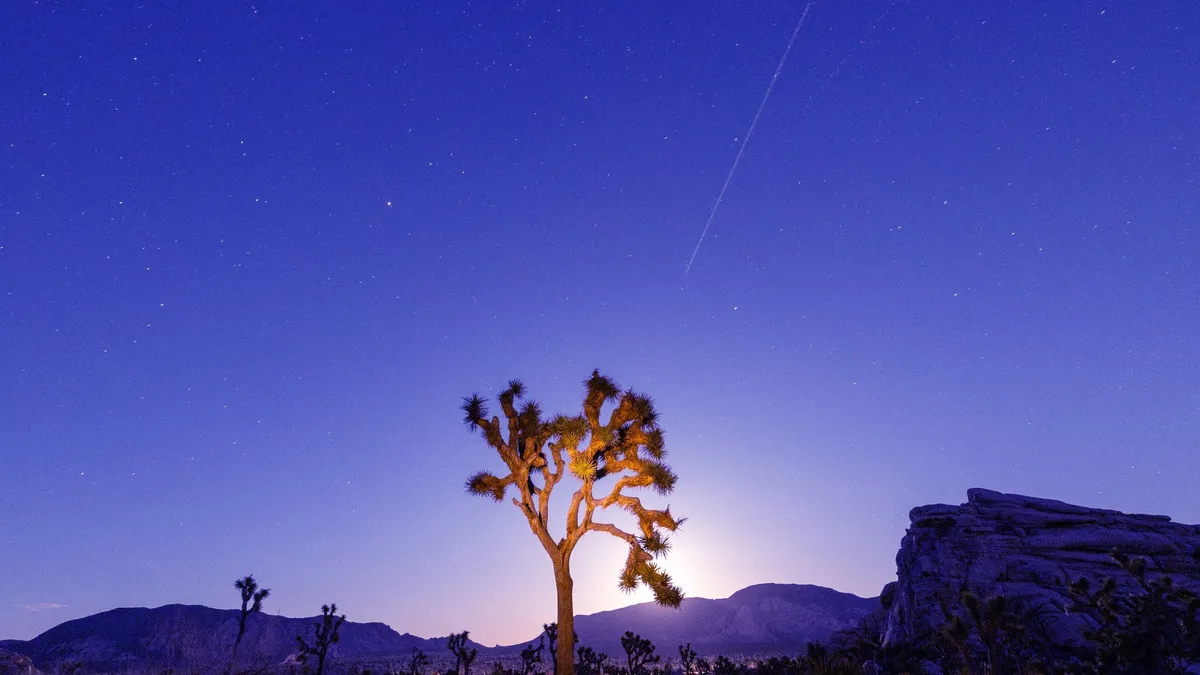
The Lyrid meteor shower, an astronomical spectacle that has dazzled humanity for over 2,700 years, peaked this year from April 21 to April 22. Under clear skies, observers in the Northern Hemisphere could witness up to 15–20 meteors per hour. This annual event is not just a fleeting moment; it’s a connection to our past.
Historically, the Lyrids have been recorded since 687 BC. “The Lyrids are among the oldest recorded meteor showers,” one astronomer noted, reflecting on their long-standing presence in our night skies. Observers often find themselves captivated by the meteors’ swift movements and brilliant trails.
These meteors originate from Comet C/1861 G1 Thatcher, which sheds particles that enter Earth’s atmosphere. As these fragments burn up upon entry, they create stunning displays of light near the constellation Lyra, particularly close to its brightest star, Vega.
For those eager to catch a glimpse of this celestial phenomenon, the best viewing time was after midnight when the radiant rose higher in the sky. Stargazers were encouraged to adjust their eyes for about 30 minutes to fully appreciate the brilliance of the Lyrids.
On peak nights, up to 100 meteors could be visible per hour under optimal conditions. Yet, even during less favorable weather, many still reported seeing an average of 18 meteors each hour. The excitement builds as each streak of light crosses the sky—each one a reminder of our universe’s vastness.
As we look forward to future occurrences of this meteor shower, one can’t help but wonder how many more generations will gaze up in awe at these ancient celestial fireworks. Details remain unconfirmed about any changes in frequency or visibility for upcoming years.