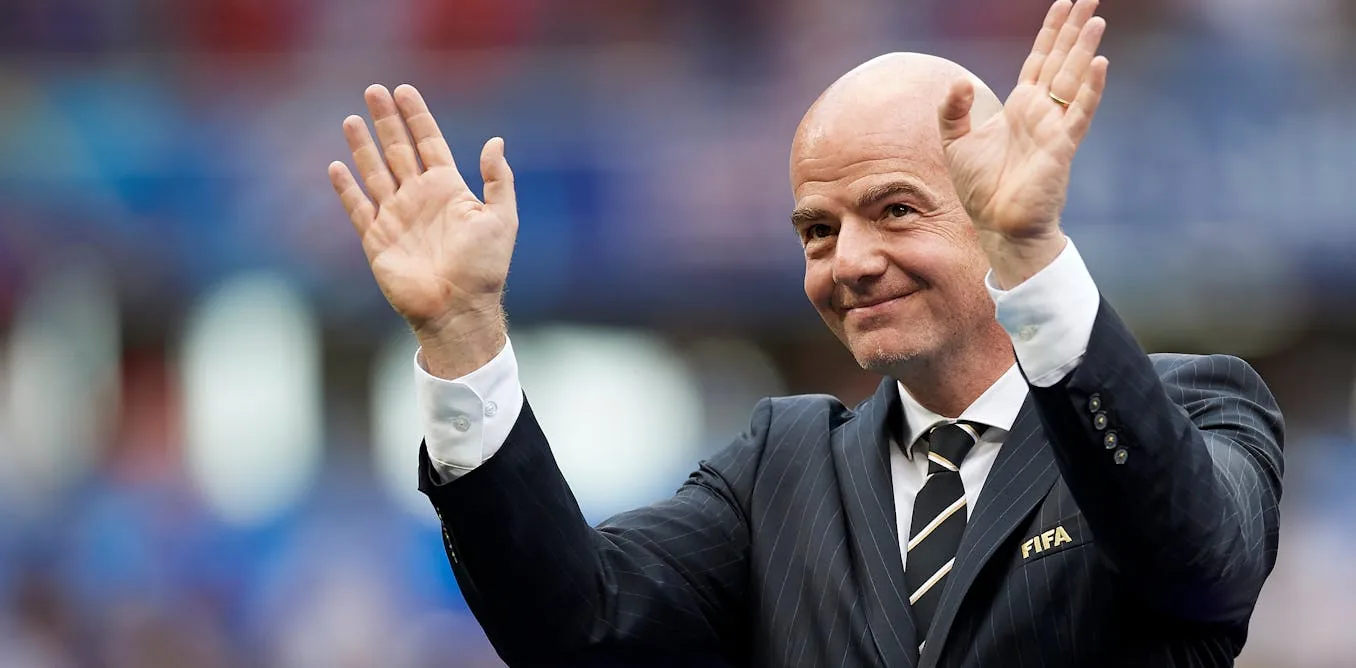
The president of the Confederation of African Football (CAF), Patrice Motsepe, has stated that Gianni Infantino’s future as FIFA president should be determined through an election. This stance comes as the Football Association of Ireland (FAI) became the latest federation to withdraw its support for Infantino, who has faced significant criticism regarding his proposal to sell stakes in the World Cup to private investors.
Infantino is currently navigating considerable pressure, with governing bodies from European football (UEFA), North and Central America (CONCACAF), and Asia (AFC) collectively expressing their concerns. In a joint letter, these confederations indicated that trust has been broken, suggesting that an individual has prioritised personal interests over the collective authority entrusted to them. There is a belief that these bodies desire Infantino’s resignation before he can seek re-election in March of next year.
Call for electoral process
Motsepe, who also serves as a FIFA vice president, firmly believes that the decision regarding Infantino’s leadership should rest with the ballot box. He emphasised the importance of following established FIFA processes for any grievances against the current president or any other official. Motsepe stated that if there is a desire to remove Infantino, the appropriate course of action is through elections, allowing the 211 member associations to cast their votes and express their confidence or lack thereof.
Motsepe recently held discussions with UEFA President Aleksander Ceferin in Salzburg during the UEFA Super Cup. UEFA has reportedly threatened to boycott both the World Cup and the Club World Cup in protest against Infantino’s proposed scheme. Despite the ongoing controversies, Motsepe expressed caution in passing judgment, advocating for all parties to be heard in a proper forum.
CAF had previously backed Infantino, and Motsepe maintained that there was no breach of rules concerning the World Cup sell-off discussions, as any proposals would ultimately require final approval from FIFA members. He acknowledged that there are problematic and negative aspects that need addressing, but noted Infantino’s apology and his suggestion that certain matters could have been handled differently.
Growing criticism and withdrawals of support
The criticism surrounding Infantino has continued to mount. The FAI announced its decision to rescind its earlier letter of support for Infantino following a board meeting. The association communicated its reasoning to FIFA, expressing gratitude for FIFA’s support to Irish football but highlighting significant concerns regarding governance, transparency, and a perceived lack of meaningful consultation in recent events.
Prior to the FAI’s decision, the English FA and Welsh FA had already withdrawn their backing for the Swiss president. Conversely, six Arab federations, including Qatar, Morocco, and Egypt, publicly offered their support to Infantino.
The proposed privatisation of aspects of the World Cup has sparked a broader debate about who truly controls sport: the fans or the funders. UEFA has asserted that “none of us are the owners of football,” while fan organisations like Football Supporters Europe and players’ unions such as FifPro Europe advocate for the sport to remain accessible to the public. The open letter from UEFA, CONCACAF, and the Asian Football Confederation called for accountability and leadership that serves football rather than seeking to control it.
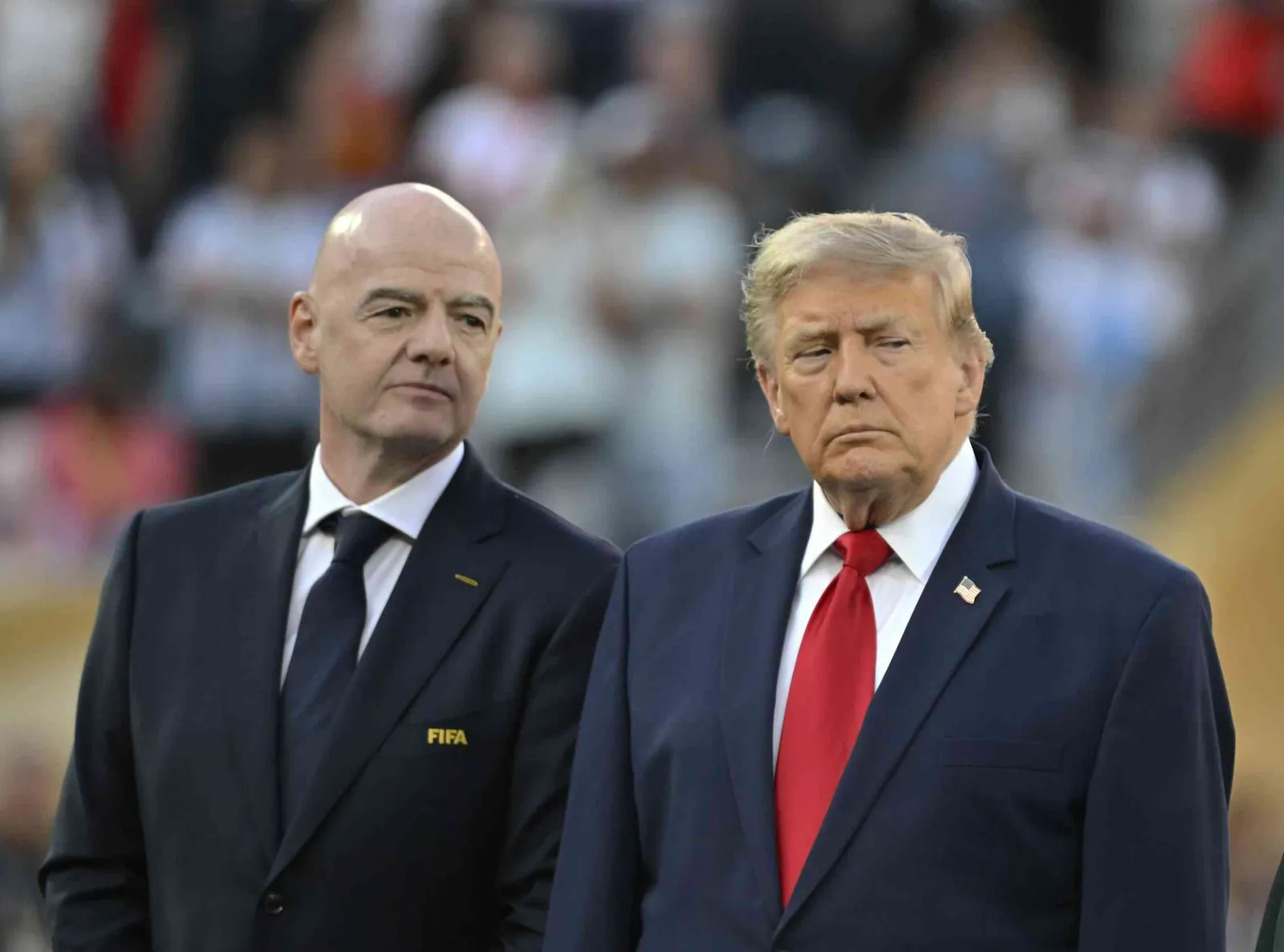
The internal dynamics of sports organisations often create tension between commercial objectives and community service. Unlike heavily regulated monopolies in other sectors, sports organisations frequently operate with limited external oversight, potentially opening the door to privatisation. While some instances of private investment, such as in Formula One, have seen financial and viewership improvements, fan reactions to such proposals can be negative, as evidenced by protests in Germany regarding investment in the Bundesliga in 2024 and in the UK over plans for a European Super League in 2021.
Fans often view their clubs as vital community assets, contrasting with owners’ focus on investment returns. This divergence can lead to legal challenges against sporting authorities when decisions regarding the sport’s operation are disputed. Calls for improved governance include demands for greater involvement from women, athletes, and fans in the decision-making processes of governing bodies. Ultimately, the debate over the sale of stakes in major sporting events like the World Cup underscores the ongoing tension between financial sustainability and the intrinsic value of sport to its community and participants.
Motsepe’s insistence on an electoral process highlights the differing views within global football leadership as Infantino prepares for potential re-election next March.
Source: aljazeera.com