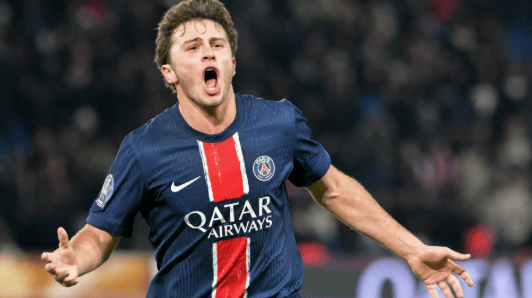
Paris Saint-Germain’s midfield needs energy, fast passing and sharp reactions after losing the ball. The Portuguese midfielder fits that demand because Joao Neves plays with quick scans, short support angles and strong timing in crowded zones. Supporters often judge him through tackles or assists, but his influence is wider than one number. A better reading connects João Neves stats with his role in pressing, possession and recovery phases. He is not only a defensive worker and not only a creative runner. The value of Neves comes from how often he helps PSG keep rhythm when the match becomes tight.
Joao Neves profile, height and quick PSG facts
A compact frame can be an advantage when a midfielder plays with balance and early awareness. PSG use Joao Neves as a central option who can receive under pressure and move the ball before opponents close the lane. He is listed as a midfielder, wears number 87, and plays with a right-footed passing profile. Readers often ask how tall is Joao Neves? because his build looks different from many physical midfielders. He is around 174 cm and close to 66 kg, which suits a mobile, low-centre style. His size does not reduce his value when timing, positioning and anticipation are strong.
How tall is Joao Neves? height, weight and build
Physical details explain part of his game, but they do not define it completely. The answer to how tall is Joao Neves? is around 174 cm, with a listed weight close to 66 kg. That build helps him turn quickly, protect the ball and adjust his feet under pressure. In midfield duels, he often relies on balance rather than raw force. The same profile allows him to react quickly after PSG lose possession. His height is therefore a useful detail, but the match impact comes from how he uses his body.
| Detail | Information | Match meaning |
| Height | Around 174 cm | Supports balance and quick turns |
| Weight | Around 66 kg | Helps agility in tight midfield spaces |
| Position | Central midfield | Links passing, pressing and recovery |
| Club role | PSG midfielder | Used in high-tempo possession phases |
| Shirt number | 87 | Identifies him in PSG squads |
What position does Joao Neves play? role in midfield
Team shape gives the clearest answer when fans ask what position does Joao Neves play? because his job changes with PSG’s build-up and pressing plan. He is mainly a central midfielder, but he can act as a deeper support player when the back line needs a passing option. In higher phases, he can step forward to close opponents and support counter-pressing. In possession, he gives short angles and keeps the ball moving without slowing the rhythm. This makes him useful beside different midfield partners. PSG can use him as a connector without locking him into one narrow role.
- Position: Central midfielder who can work as a connector, interior option or deeper support player.
- Height: Around 174 cm, which gives him a compact frame and quick turning balance.
- Foot: Right-footed, with clean short passing under pressure.
- Shirt number: Number 87 for PSG, which makes him easy to identify in match squads.
- Role: High-tempo midfielder who supports possession, pressing and recovery phases.
These details make his profile easier to understand before a reader moves into deeper performance data.
When did Joao Neves join PSG? transfer timeline
The transfer background matters because when did Joao Neves join PSG? explains the move from Benfica development into a bigger European squad. He arrived from Benfica during a summer transfer window and signed a long-term PSG deal. That change placed him in a team where midfielders must rotate, press and read spaces very quickly. Paris matches also bring heavier tactical attention, so every performance is judged more closely. His adaptation looks natural because his earlier habits already suited a possession-heavy side. The move gave him a larger platform without changing the core of his game.
João Neves stats for PSG form and match impact
Numbers are useful when they explain repeat actions, not just goals or assists. The strongest João Neves stats are connected with minutes, passing security, recoveries and involvement in demanding matches. He often wants the ball in tight areas and does not hide when pressure increases. Fans asking how good is Joao Neves? need both data and match context to form a fair view. His contribution is not limited to final-third output. A midfielder like him earns trust through how often he keeps the team connected between defence and attack.
João Neves stats by appearances, goals and assists
Match totals give a first layer of evidence, but they need calm interpretation. In European competition, João Neves stats have already shown goal threat, assists and a high passing level. Those numbers matter because PSG ask him to keep attacks alive rather than only make the final pass. His appearances also show that the coach trusts him in demanding fixtures. A young midfielder earning those minutes is not only filling a squad place. He is becoming part of the team’s competitive rhythm.
| Competition area | Appearances | Goals | Assists | Reading note |
| European matches | 13+ | 2 | 3 | Strong involvement in elite games |
| Passing profile | High volume | Not a scoring metric | Not a scoring metric | Accuracy above 90 percent in listed data |
| Physical output | Regular coverage | Not a scoring metric | Not a scoring metric | Supports pressing and recovery phases |
| PSG role | Rotational starter | Depends on match role | Depends on match role | Trusted in demanding midfield structures |
Neves passing, pressing and duels across competitions today

Pressure moments reveal more than a clean pass map. Neves often looks comfortable when the game becomes crowded and passing lanes close quickly. He can receive with a defender near him and still choose a safe forward angle. In pressing, he steps out early without turning every action into a risky chase. His duels depend on timing, balance and second-ball reactions rather than force alone. The best João Neves stats for this role are recoveries, interceptions, progressive passes and pass security.
Joao Neves availability and why is Joao Neves not playing today?
Matchday searches rise when a regular midfielder starts on the bench or misses the squad. The question why is Joao Neves not playing today? can have several answers, including rotation, recovery management, tactical choice, suspension or a late fitness issue. PSG have a deep squad, so absence from the starting eleven does not automatically mean injury. The safest reading comes after official team news, not from early rumours. Availability also changes how people read the midfield plan. Without the Portuguese midfielder, PSG may lose some short passing security and pressing timing.
Why is Joao Neves not playing today? injury checks
A late absence can change the feeling around a fixture, but why is Joao Neves not playing today? should be answered through confirmed information. If he is not starting, readers should first check whether he is available from the bench. If he is outside the squad, the reason may involve fitness, workload, suspension or a selection decision. PSG can also rotate midfielders when the schedule is intense. A careful check avoids turning one lineup change into a false injury story.
- Squad: Confirm the official PSG match squad before trusting early posts.
- Status: Check whether he is starting, benched or absent completely.
- Fitness: Compare injury reports with the final team sheet.
- Rotation: Review tactical reasons if another midfielder starts instead.
- Update: Adjust the reading after substitutions begin.
Joao Neves lineup status before PSG matchday decisions
Team sheets give direct information, but they do not always explain the coach’s plan. When Joao Neves starts, PSG often gain a midfielder who connects short passes and reacts quickly after losing the ball. When he is benched, the side may be managing minutes or choosing a different physical profile. What position does Joao Neves play? matters here because his role can shift inside the same formation. He can sit deeper, move beside another pivot or jump forward to press. That flexibility makes lineup status more important than a simple yes-or-no availability note.
Scouting value, PSG role and Neves development context
Market discussion can become emotional, but the player should be judged through habits that repeat under pressure. Neves scans early, offers himself when passing options are limited and rarely hides when the ball is difficult to receive. His strongest signs are maturity, mobility and technical security in a team that demands quick decisions. He is already trusted in elite fixtures, which says plenty about his level. Growth is still possible in aerial duels and final-third decision-making.
Neves strengths in build-up, pressure and recovery phases
Midfield control often depends on small decisions made before the ball arrives. Neves turns his body early. It helps him avoid slow back passes and escape pressure. In pressing, he reads the next option instead of chasing blindly. His recovery runs also show discipline after PSG lose the ball in advanced areas. That makes him valuable even when he is not directly involved in the final action.
What position is Joao Neves? tactical alternatives explained

He can play as an interior midfielder, a double-pivot option or a deeper connector depending on PSG’s structure. Against strong opponents, he may stay closer to the build-up line to protect circulation. A tactical answer to what position is Joao Neves? becomes clearer when his role is viewed through different game states, not only one fixed label. Against deeper blocks, he can step higher and help compress the pitch. His role changes because his skills are not limited to one lane. Coaches value that flexibility because it allows PSG to adjust without replacing the entire midfield idea.
João Neves stats table for scouting and market value
Scouting reports need balance because numbers and visual reading answer different questions. João Neves stats show passing security, assists, involvement and work rate, but they cannot fully show how quickly he closes space. His market value may interest readers in INR, though the better football question is whether his habits fit PSG long term. That answer looks positive because he plays with patience and intensity.
| Pros | Cons |
| Reads pressure early and gives PSG a reliable short passing option in crowded midfield zones. | Aerial duels can remain a harder area because his build is not naturally dominant. |
| Combines recovery runs with quick circulation, which helps the team after losing possession. | Final-third output can vary depending on his role and attacking freedom in each match. |
| Shows maturity in elite matches and rarely looks rushed when pressed by stronger opponents. | Physical battles against larger midfielders can still require support from team structure. |
| Offers tactical flexibility as a deeper connector, interior runner or pressing midfielder. | His best qualities may be less visible to casual viewers who focus only on goals. |
FAQ for PSG role, stats and fitness
How does his PSG role usually change during matches?
His role can shift depending on the opponent, scoreline and midfield partners. He may stay deeper during build-up, then move higher when the team presses. This makes his performance easier to judge through positioning, passing rhythm and recovery work.
Which stats are most useful for judging his game?
Passing accuracy, recoveries, interceptions and progressive passes give a better picture than goals alone. Midfielders in this role often influence the match before the final shot happens. Minutes played and starts also show how much trust the coach gives him.
Why might he miss a matchday squad or starting lineup?
A player can miss the starting lineup because of rotation, fitness management, tactical choice or suspension. Being on the bench does not automatically mean there is an injury. The final team sheet gives the clearest information before kickoff.
What should fans check before judging his fitness?
Fans should first check whether he is in the squad, on the bench or absent completely. Then they can compare that with confirmed injury news and coach comments. Early social posts are less reliable than official matchday information.