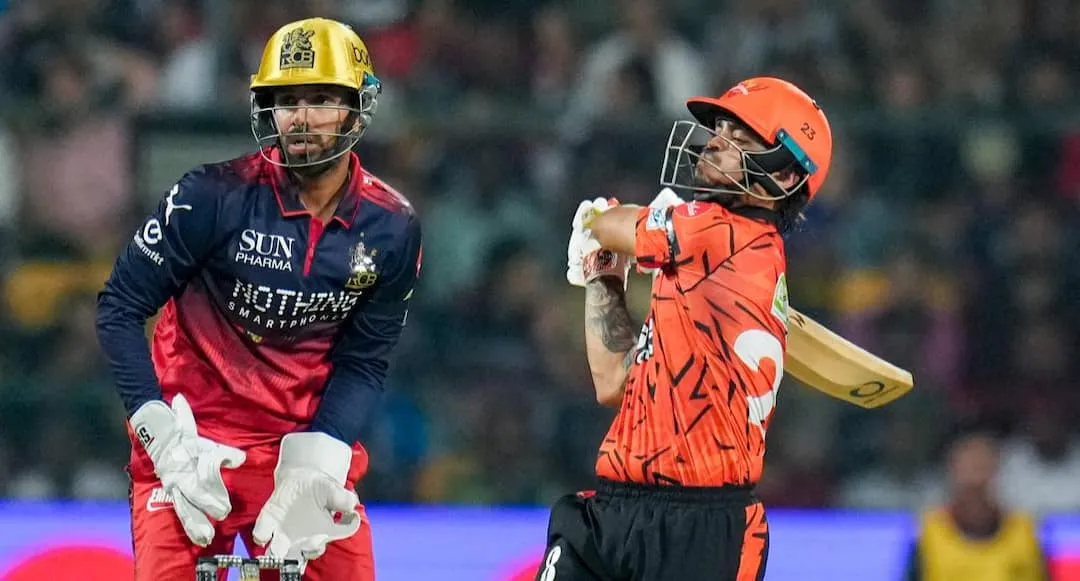
The IPL 2026 clash between DC and RCB turned chaotic as a sudden dust storm swept through the Arun Jaitley Stadium on April 27. The weather disruption led to Delhi Capitals recording the lowest powerplay score in IPL history—just 13 runs for the loss of 6 wickets.
Visibility plummeted, affecting players and fans alike. As one observer put it, “दिल्ली में उठा धूल का ‘बवंडर’, मैदान पर अंधेरा छाने से दिल्ली-RCB मैच में खलल.” The storm not only altered the gameplay but also set the stage for a historic low that shocked spectators.
DC struggled to find their footing. They managed to set a target of just 76 runs for RCB, leaving fans astounded. The previous record for the lowest powerplay score stood at 14 runs—a mark they shattered with this performance.
Bhuvneshwar Kumar and Josh Hazlewood capitalized on the unfavorable conditions, taking multiple wickets that further crippled DC’s batting lineup. Their precision and skill were evident as they exploited every opportunity presented by the swirling dust.
At 22:01, when the dust settled, it was clear that DC’s innings had crumbled like “ताश की पत्तों की तरह”—a house of cards. This match will likely be remembered not just for its score but for how nature intervened in a high-stakes game.
The impact of this match extends beyond just statistics. It raises questions about player performance under such conditions and how teams adapt to unforeseen circumstances. Both teams will analyze this game closely as they prepare for future matches in IPL 2026.
As fans left the stadium, mixed reactions filled the air. Some expressed disappointment over DC’s performance while others marveled at how nature played its hand in sports. The unpredictable nature of cricket continues to engage audiences worldwide.
In the aftermath, officials have yet to comment on how such weather conditions might affect scheduling or venue preparations going forward. For now, this match stands as a stark reminder of cricket’s unpredictability—both from players and from Mother Nature herself.