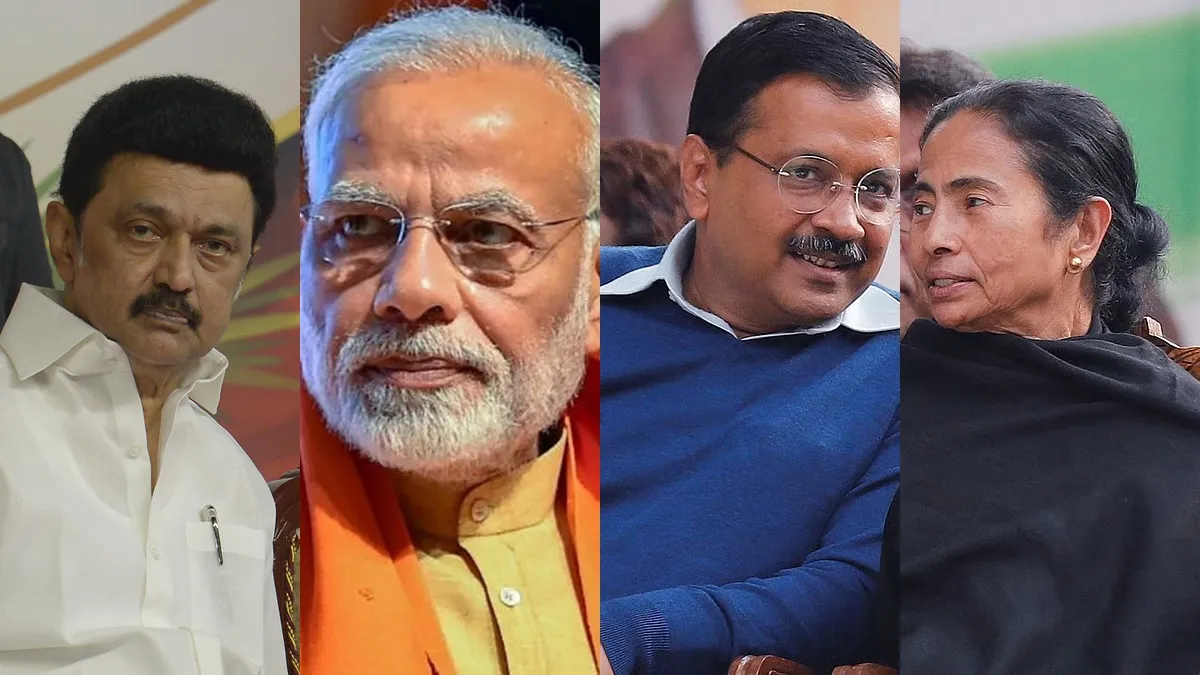
“How is it that the anti-incumbency wave is only seen in opposition-ruled states?” This question from a DMK spokesperson encapsulates the party’s frustration as they grapple with the political landscape where the BJP seems immune to voter backlash.
The DMK argues that despite rising prices and unemployment, the BJP has maintained its grip on power in states like Madhya Pradesh, where it has ruled for nearly two decades, and Assam, which it consistently wins. Meanwhile, opposition parties face significant challenges due to anti-incumbency sentiments in places like Delhi and Punjab.
The DMK highlights a perplexing trend: while they confront voter dissatisfaction, the BJP appears unscathed by similar issues. “We need to understand this reality,” the spokesperson added, stressing that this phenomenon requires deeper analysis.
As they navigate this political puzzle, the DMK points to media narratives that portray the BJP as an unbeatable force. “The media portrays the BJP as an unbeatable force,” they say, suggesting that this framing influences public perception and electoral outcomes.
Voter fragmentation in northern states has benefited the BJP significantly. The DMK believes that this fragmentation allows for a consolidation of votes among their supporters while diluting opposition strength.
In contrast, they express concern over how issues like rising prices and unemployment are often overshadowed by religious sentiments during elections. This focus on identity politics complicates their efforts to mobilize voters around economic concerns.
The DMK’s leadership under Stalin has emphasized these issues as central to their campaign strategy moving forward. They aim to connect with voters on everyday challenges rather than solely relying on political rhetoric.
As this debate unfolds, the DMK’s inquiries into the absence of anti-incumbency in BJP-ruled states highlight a crucial aspect of Indian politics today. The party seeks not just answers but also a shift in how governance is perceived across different regions.
The next steps for the DMK involve intensifying their outreach efforts and addressing voter concerns directly. They hope to leverage these insights as they prepare for future electoral contests.