The West Bengal Assembly elections, marked by the highest voter turnout since Independence, raise critical questions about the future of political power in the region. Voter turnout reached 92.8% in the first phase and 91.47% in the second, signaling intense public engagement and high stakes for both the Trinamool Congress (TMC) and Bharatiya Janata Party (BJP).
These elections were held in two phases on April 23 and April 29, 2026. The counting of votes for all 293 Assembly seats is scheduled for May 4, 2026. This moment follows five years of TMC governance under Mamata Banerjee, who aims to retain power against a resurgent BJP that seeks a historic victory.
In stark contrast, the CPI(M) and Congress are striving to regain relevance after being nearly wiped out in the previous election cycle. They hope to reclaim a foothold on West Bengal’s electoral map.
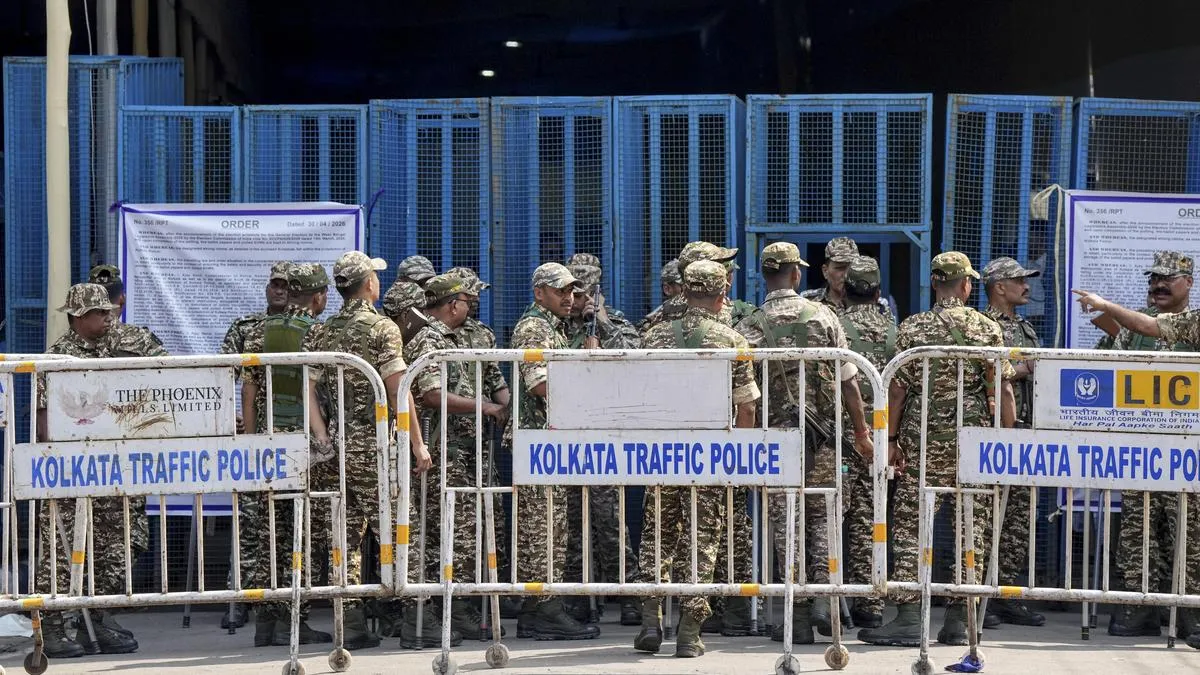
As the Election Commission of India prepares for counting, they have appointed 165 additional counting observers and 77 police observers to ensure transparency amid allegations of electoral malpractices. Notably, repolling for the Falta Assembly seat is set for May 21 due to these concerns.
The electorate has shifted as well; it decreased from 7.66 crore to 6.82 crore due to the SIR exercise. This demographic change could influence voting patterns significantly.
The high voter turnout reflects a charged political atmosphere where every vote counts. With such engagement, both TMC and BJP face pressure not only to mobilize their bases but also to address broader concerns about governance and representation.
The results on May 4 will not just determine who governs but will also serve as a barometer for political sentiment in West Bengal—an indicator of whether Mamata Banerjee’s leadership continues or if the BJP can break through.
While both parties prepare for what lies ahead, uncertainties linger around potential shifts in voter behavior or last-minute developments that could affect outcomes.