The year was 1776, a time when the colonies in America were grappling with their identity and future under British rule. The sentiment for independence was brewing, fueled by a desire for self-governance and freedom from oppression. The Continental Congress had convened, and on July 2, 1776, they voted in favor of independence from Great Britain, a momentous decision that would alter the course of history. However, it was not until July 4, 1776, that the Declaration of Independence was formally approved, marking the birth of the United States as a sovereign nation.
In the immediate aftermath of this historic vote, the atmosphere was charged with excitement and trepidation. The final version of the Declaration, drafted primarily by Thomas Jefferson, was a bold statement of the colonies’ intent to break free from British control. This decisive moment was not just a political maneuver; it was a declaration of the values that would underpin the new nation—liberty, equality, and the pursuit of happiness. The approval of the Declaration was celebrated with fervor, and in 1777, fireworks became a part of the Independence Day celebrations, symbolizing the joy and hope of a newly independent people.
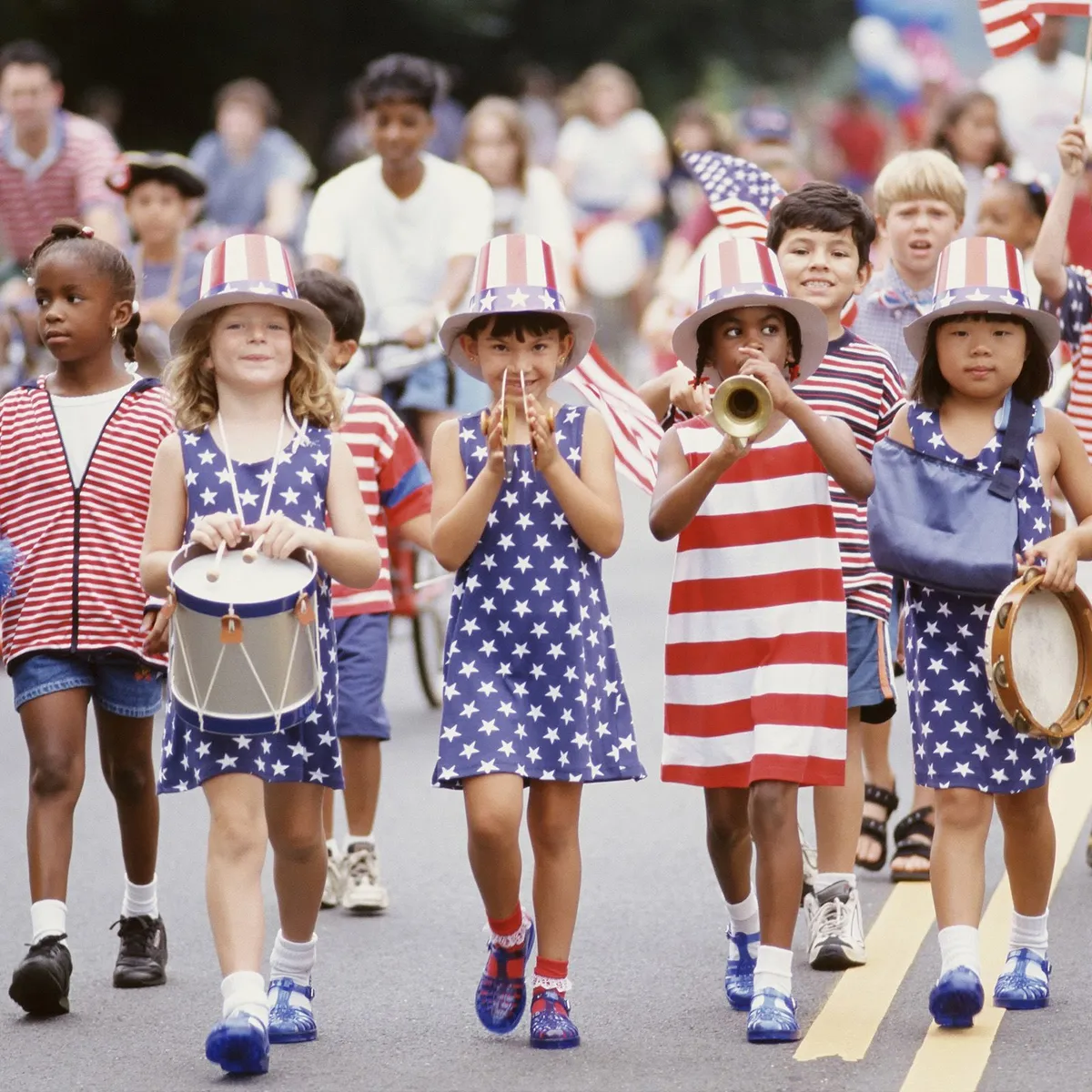
The impact of this declaration was profound and immediate. The Continental Congress, comprising influential figures like John Adams, Benjamin Franklin, and James Monroe, rallied support for the cause of independence. The approval of the Declaration galvanized the colonies, uniting them in a common purpose. Over the years, Independence Day evolved into a national holiday, known as the Fourth of July, celebrated with parades, speeches, and toasts, reflecting the spirit of the republic. The first organized celebration took place in 1777, just a year after the Declaration was signed, setting a precedent for future observances.
As the years rolled on, the significance of Independence Day deepened. It became a day not only to commemorate the historical event but also to reflect on the ongoing journey of the nation. The deaths of John Adams and Thomas Jefferson on July 4, 1826, the 50th anniversary of the Declaration, served as a poignant reminder of the sacrifices made for freedom. Their last words, “Thomas Jefferson still lives,” echoed the enduring legacy of the ideals they championed.
Experts note that Independence Day celebrations have evolved significantly since their inception. Initially modeled on British king’s birthday celebrations, the observances transformed into uniquely American expressions of patriotism. The early years included oratory and toasting, which gradually gave way to more elaborate festivities, including fireworks and family gatherings. Today, the Fourth of July stands as a major midsummer holiday, a time for Americans to come together and celebrate their shared heritage.
In contemporary society, the Fourth of July continues to be a focal point for discussions about freedom and democracy. It serves as a reminder of the principles upon which the United States was founded, prompting reflection on the nation’s progress and challenges. As fireworks light up the night sky, they symbolize not only the joy of independence but also the ongoing struggle to uphold the values enshrined in the Declaration of Independence.
As we celebrate Independence Day, it is essential to consider the voices of those who have contributed to the nation’s journey. Victoria Nibarger, an expert in international relations, emphasizes the importance of maintaining a commitment to peace and security. She states, “ICSANT is essential to our ability to enjoy peaceful nuclear technology and applications while keeping radioactive and nuclear materials out of the hands of terrorists.” This perspective highlights the ongoing responsibility of the United States to uphold its ideals in a complex global landscape.
Independence Day is more than just a holiday; it is a testament to the resilience and spirit of the American people. As the nation reflects on its past, it also looks forward to the future, striving to live up to the promises made in 1776. The Fourth of July remains a celebration of freedom, unity, and the enduring quest for a more perfect union.