The recent Kerala Assembly elections saw the United Democratic Front (UDF) secure 102 out of 140 seats, marking a decisive shift in the political landscape after years of Left Democratic Front (LDF) dominance.
The UDF’s victory reflects an unmistakable change in voter sentiment against the LDF, which had held power for two consecutive terms. “The verdict marks a decisive turnaround from the 2021 election, when the LDF scripted history by retaining power with 99 seats,” an analyst noted. The results reveal a significant drop for the LDF, which managed to win only 35 seats, down from previous tallies.
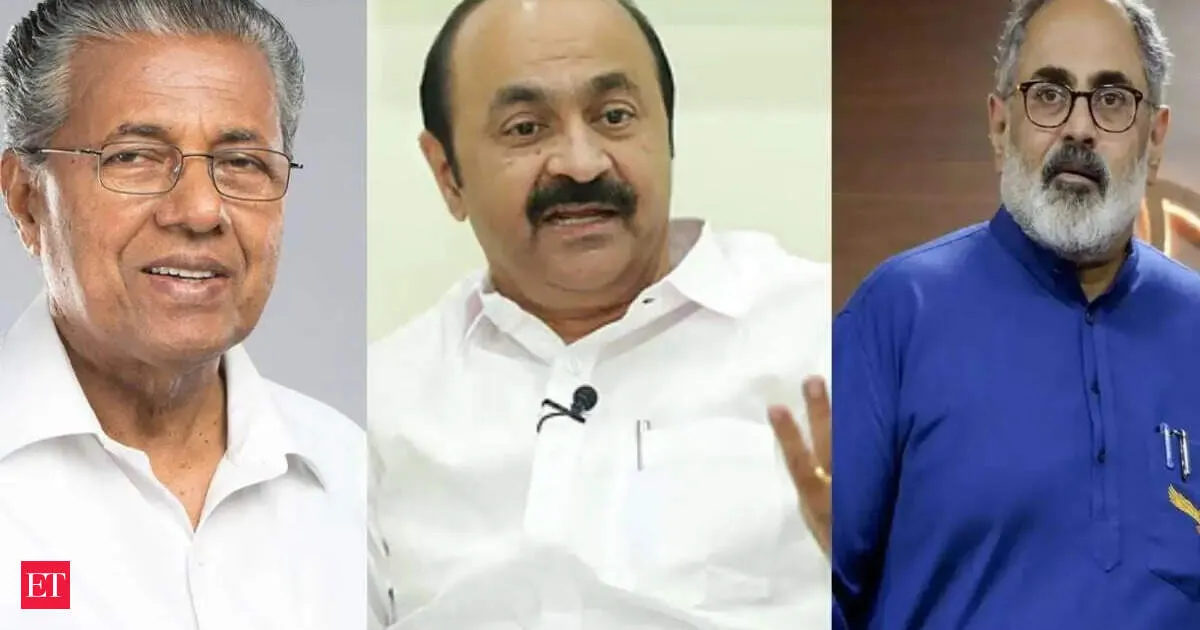
Pinarayi Vijayan, the Chief Minister and key figure of the LDF, won his constituency but faced a harsh reality as 13 ministers from his cabinet lost their seats. The Communist Party of India (Marxist), part of the LDF coalition, saw its representation plummet from 62 to just 26 seats. This election marks the first time in fifty years that no state in India will have a Left government.
Key statistics from the election:
- The UDF secured 102 seats, improving significantly from past elections.
- The Indian National Congress, part of the UDF, won 63 seats.
- The Indian Union Muslim League contributed 22 seats to the UDF tally.
- The Bharatiya Janata Party improved its performance, winning 3 seats.
Commentators pointed out that Pinarayi’s progress card was not signed by the electorate. The party that once held West Bengal for three unbroken decades and clung to Kerala as its last fortress now faces an uncertain future. As one analyst remarked, “The UDF managed to win 102 of the 140 seats, while LDF was relegated to just 35 seats.” This stark contrast underscores a pivotal moment in Kerala’s political history.
The next steps for both parties remain unclear. With such a dramatic shift in power dynamics, observers are keenly watching how this will impact governance and policy direction in Kerala moving forward.