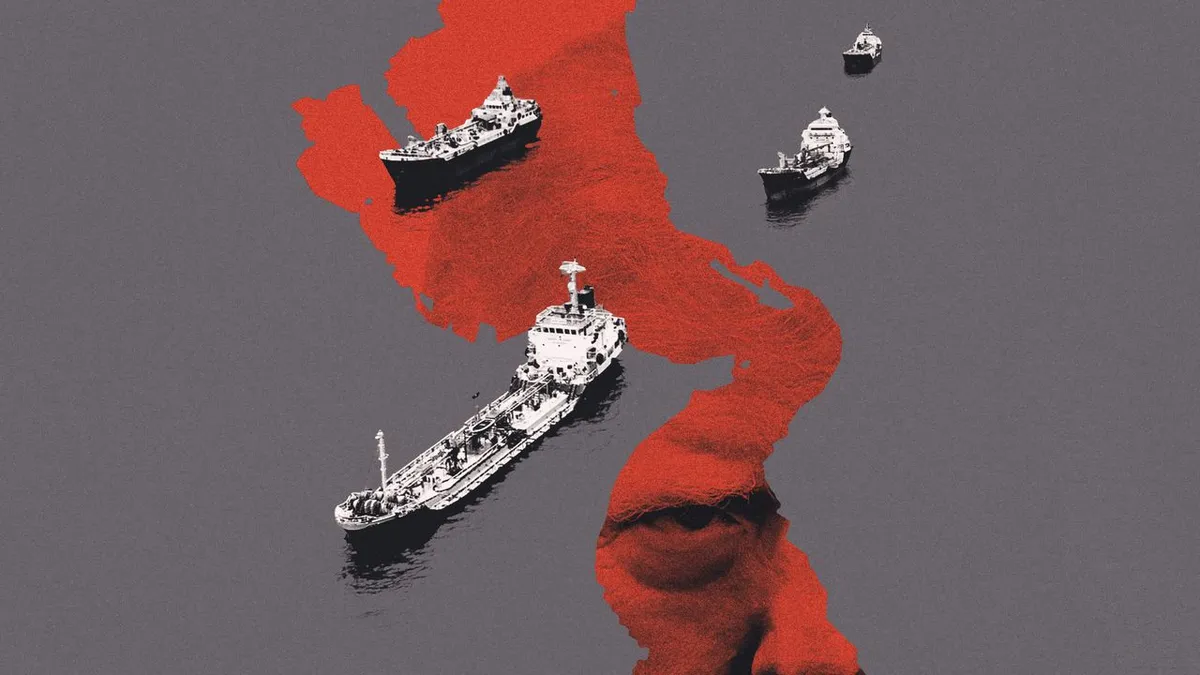
What does the recent attack on a Thai-flagged vessel in the Strait of Hormuz reveal about the vulnerabilities of maritime safety in a geopolitically sensitive region? The answer is stark: it underscores the perilous nature of international shipping routes and the urgent need for enhanced security measures. Thailand has confirmed the deaths of three crew members from the vessel, a tragic reminder of the risks faced by seafarers in these waters.
The incident, which occurred in early April 2026, saw the Omani navy rescue 20 crew members from the attacked vessel. Sihasak Phuangketkeow, a representative from the Thai government, stated, “The three crewmen on the Thai-flagged vessel that was attacked in the Strait of Hormuz last month have died.” This loss not only impacts the families of those involved but also raises questions about the safety protocols in place for vessels navigating through such critical maritime corridors.
The Strait of Hormuz is a vital waterway for global oil transportation, and incidents like this can have rippling effects on international relations and trade. Thailand, which has a long history of maritime trade, is now faced with the challenge of ensuring the safety of its shipping interests in a region fraught with tension. The attack comes at a time when Thailand is also enhancing its strategic partnerships, notably with India, which was elevated to a ‘strategic partnership’ in April 2025.
Historically, Thailand and India have shared over two millennia of cultural and commercial contact, with both nations recognizing the importance of collaboration in various sectors, including technology. Thailand ranks second after India in semiconductor manufacturing among emerging economies, and its semiconductor market is projected to mobilize more than 2.5 trillion baht (approximately US$81 billion) in investment by 2050. This burgeoning industry is crucial for Thailand’s economic future, especially as it seeks to become a technology-owning chip producer.
As Thailand navigates the aftermath of this maritime tragedy, the focus will likely shift towards enhancing maritime security and international cooperation in the region. The nation’s longest land border with Myanmar adds another layer of complexity to its geopolitical landscape, as it seeks to balance its economic ambitions with the need for regional stability.
Looking ahead, the Thai government will need to address the implications of this incident on its maritime policies and international partnerships. With the semiconductor industry poised for significant growth, ensuring the safety of shipping routes will be paramount for sustaining economic momentum. However, details remain unconfirmed regarding the broader implications of this attack on Thailand’s diplomatic relations with other nations involved in the region.
In conclusion, the tragic loss of life in the Strait of Hormuz serves as a sobering reminder of the risks inherent in maritime operations. As Thailand grapples with this incident, the need for robust security measures and international collaboration becomes increasingly clear. The future of Thailand’s maritime safety and economic aspirations will depend on how effectively it can navigate these challenges in a complex geopolitical environment.