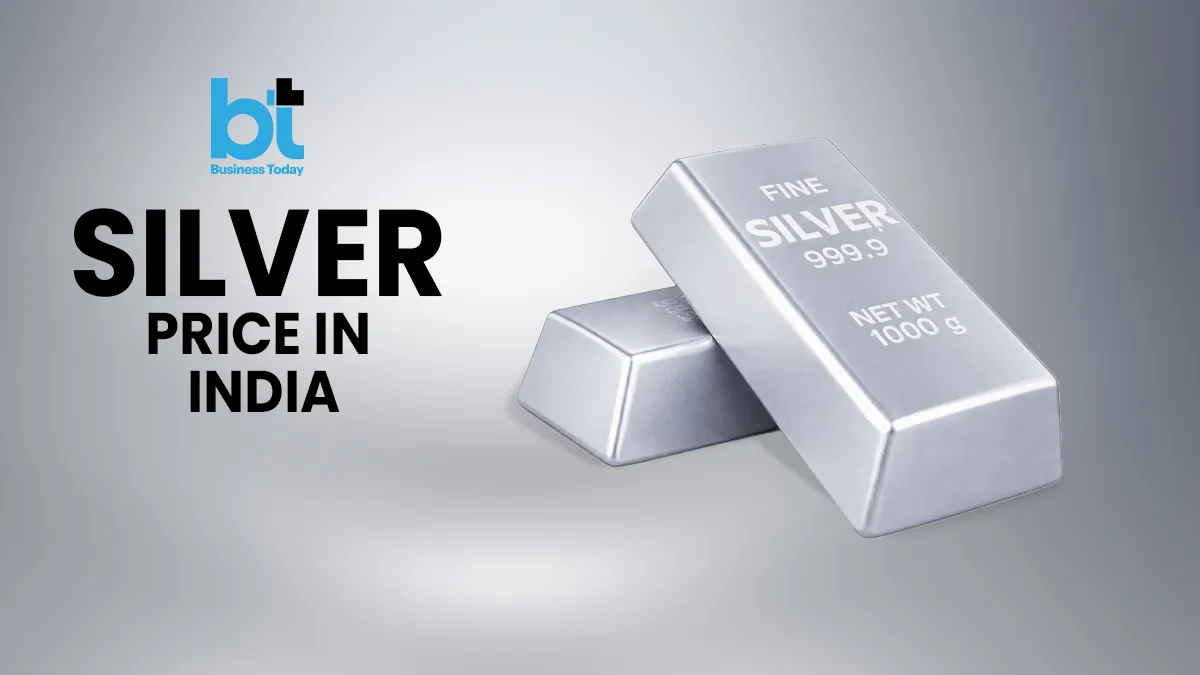
On April 19, 2026, silver in Ghaziabad reached a stunning ₹2,75,000 per KG. Just a day earlier, it had been ₹2,64,900. This surge of ₹10,100 in a single day caught many investors by surprise.
The excitement didn’t last long. By April 20, silver prices fell by 2.5%, reflecting broader market anxieties fueled by ongoing geopolitical tensions. The COMEX rate stood at $78.75 per ounce—an indication that global dynamics were impacting local markets.
Before this rollercoaster, silver had opened the month at ₹2,76,000 and even peaked at ₹2,96,000 during April. Investors felt optimistic as prices fluctuated within this range. But then came the US-Iran conflict that began in late February 2026.
Since that time, silver has lost around 14% of its value. The volatility has left many wondering about the future of this precious metal. In Kochi, silver was still commanding high prices at ₹2,80,000 per KG while Tumkur recorded the lowest at ₹2,75,000.
This stark contrast illustrates how localized markets can respond differently to global pressures. The immediate impact on traders and investors is palpable; many are now reevaluating their strategies.
“Silver prices are influenced by geopolitical conditions and market volatility,” one seasoned trader remarked after witnessing these fluctuations. Their words resonate with the reality that external factors can swiftly alter expectations.
Yet for those who invested heavily in silver just days before the downturn, this moment serves as a painful reminder of how quickly fortunes can change.
As traders adjust their positions and investors rethink their portfolios, the question remains: how will silver navigate these choppy waters moving forward? Details remain unconfirmed regarding future trends.