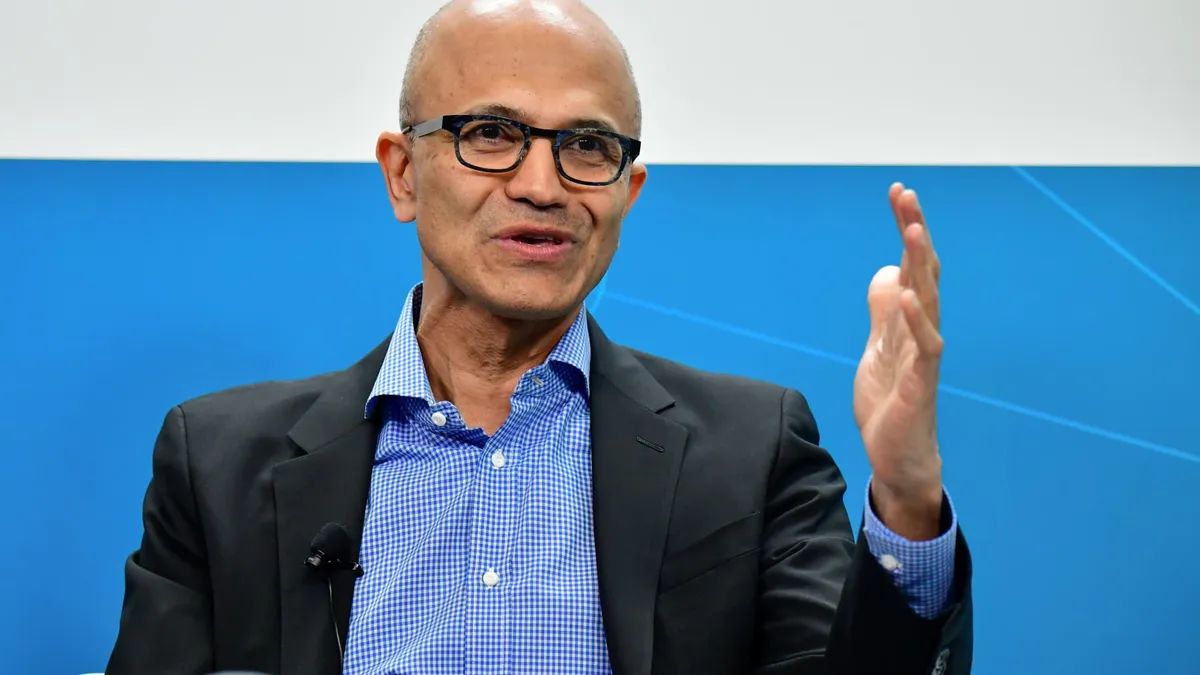
Rajesh Jha, a key figure at Microsoft, has brought attention to the significant implications of artificial intelligence (AI) on software licensing. His insights suggest that the rise of AI agents could actually bolster revenue streams for companies, despite concerns about job cuts and reduced human workforce.
Traditionally, businesses have relied on a seat-based pricing model, where software licenses are sold per user. However, Jha argues that this model remains intact even as AI becomes more prevalent. He points out that companies deploying AI agents may not only maintain their current revenue but could potentially increase the number of paying users.
For instance, a company with 20 employees might currently purchase 20 Microsoft 365 licenses. If each of those employees utilizes five AI agents, even with a workforce reduction to just 10 people, the total number of paid seats could rise to 50. Jha emphasizes, “All of those embodied agents are seat opportunities,” highlighting the potential for AI to create new revenue avenues.
Investors have expressed concerns that AI could undermine the traditional seat-based pricing model, which has been the backbone of enterprise software. However, Jha reassures stakeholders that the classic way of selling software should not be threatened by the rise of AI. He notes that if AI agents are classified as users, companies may need to acquire additional licenses, thereby preserving the revenue model.
The ongoing debate about AI’s impact on the job market and software economics is crucial. Jha’s perspective offers a counter-narrative to fears that AI will reduce the number of software users, arguing instead that this assumption only holds true if users are defined strictly as humans.
As the landscape of software licensing evolves, the implications of Jha’s insights could define the next decade of software economics. While the future remains uncertain, the conversation around AI and its role in enterprise pricing strategies is becoming increasingly vital.