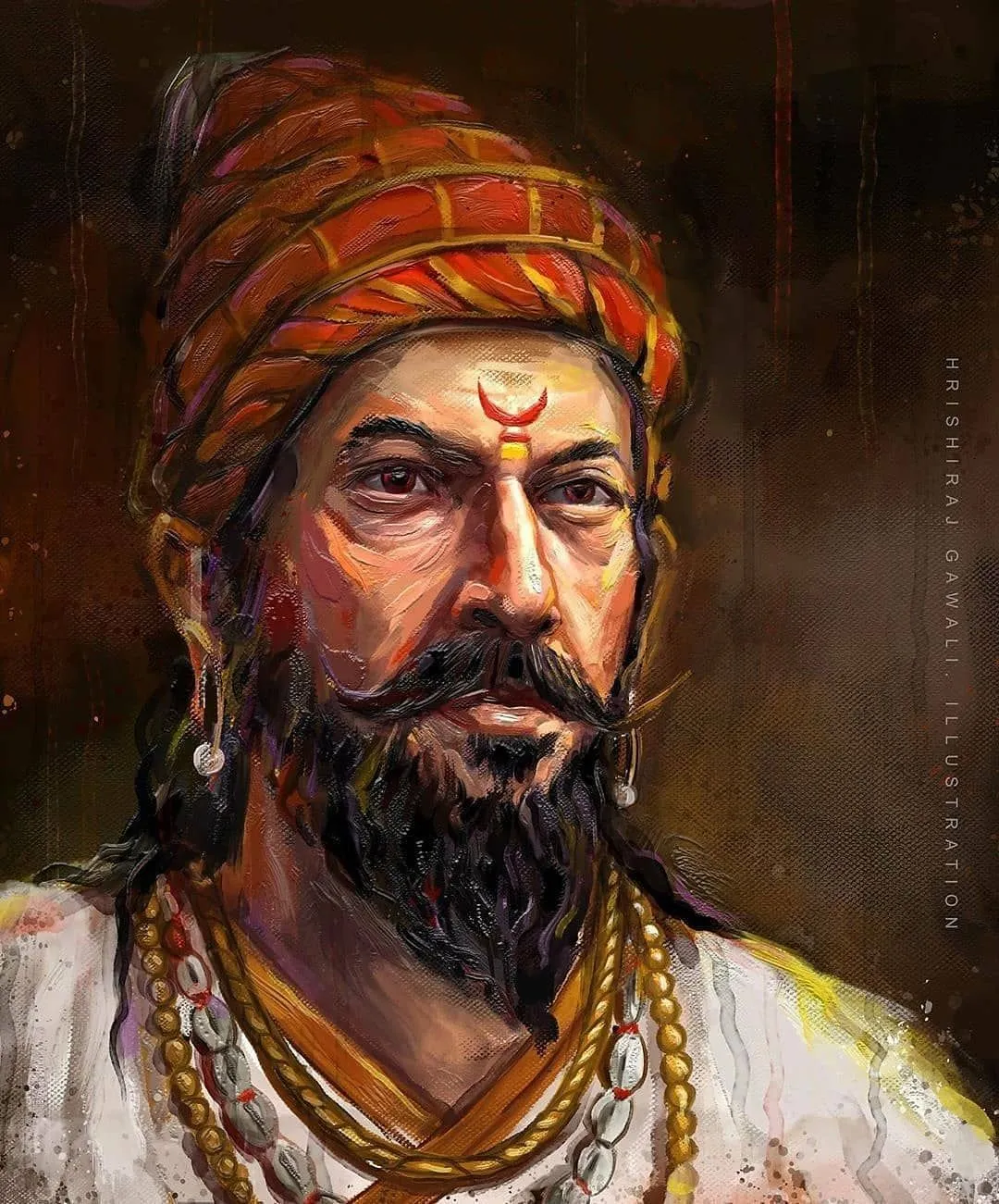
The film Raja Shivaji, directed by Riteish Deshmukh, has sparked legal controversy just before its release, raising questions about the portrayal of historical figures and events. Set in the mid-seventeenth century in parts of future Maharashtra, it traces the evolution of Shivaji Shahaji Bhonsle into Chhatrapati Shivaji Maharaj.
As audiences prepare for this historical drama, the Bombay High Court dismissed a petition claiming that the title was derogatory. The film features a runtime of 195 minutes and includes a mix of Marathi and Hindi dialogue. It portrays not only the rise of Shivaji but also his main adversary, Afzal Khan.
Key elements of the film:
- Riteish Deshmukh plays the Maratha emperor with dedication, if not quite kingliness.
- Vidya Balan portrays the Adlishahi queen, adding depth to the narrative.
- The screenplay is co-written by Deshmukh alongside Jaideep Yadav and Prajakt Deshmukh.
- The film emphasizes Shivaji’s pursuit of Hindavi Swaraj, or sovereignty, for his land and people.
- It depicts brutal confrontations between Shivaji’s forces and those of his opponents.
The film also includes a cameo by Salman Khan as Jeeva Mahala. Critics have described it as a “studious, plodding affair”—a reflection on both its pacing and ambition. The power struggle depicted causes blood to flow and bodies to be desecrated, illustrating the harsh realities of that era.
While some celebrate this cinematic retelling of Maratha history, others question its accuracy and implications. As this historical narrative unfolds on screen, it invites viewers to reflect on how history is represented in modern storytelling. The next legal ruling regarding any further challenges to the film’s title or content remains uncertain.