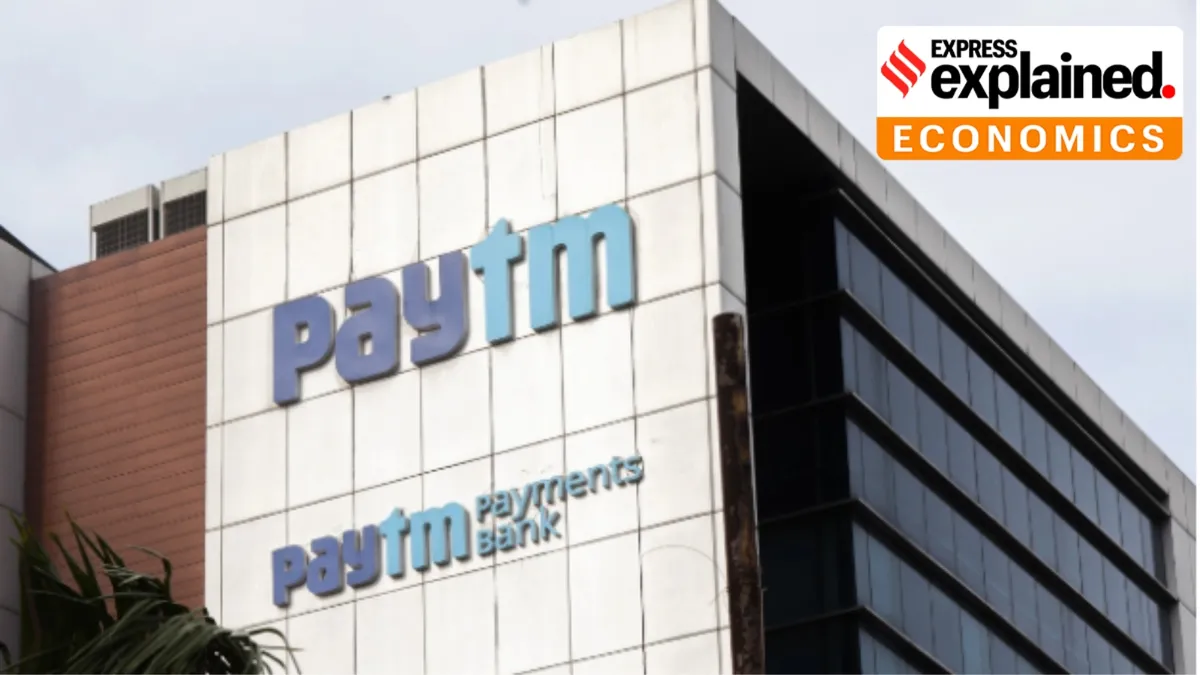
“The bank is not complying with provisions of Section 22 (3) (c) of the BR Act,” stated the Reserve Bank of India (RBI) in a striking announcement. This declaration came as a shock to many, marking the cancellation of the banking licence for Paytm Payments Bank Limited. The RBI’s decision stems from a series of detrimental management practices and failures to meet compliance standards that have plagued the institution for years.
Since its inception, Paytm Payments Bank has been under regulatory scrutiny—issues began surfacing as early as 2018. The RBI’s recent actions are not isolated; they follow a history dotted with penalties and restrictions aimed at addressing persistent compliance concerns. In October 2023, the RBI imposed a penalty of Rs 5.39 crore on the bank, emphasizing that its operations had become increasingly problematic.
At the heart of this turmoil lies Vijay Shekhar Sharma, who holds a 51% stake in Paytm Payments Bank. His leadership has faced intense scrutiny. The RBI noted, “The general character of the management of the bank is prejudicial to the interest of depositors as also the public interest.” Such statements reveal a deep-seated concern regarding how decisions were made within the bank’s upper echelons.
In March 2022, the RBI ordered Paytm Payments Bank to stop onboarding new customers—a move that sent ripples through its user base. Even more alarming was the restriction placed on accepting deposits after February 29, 2024. This series of actions paints a picture of an institution struggling under the weight of regulatory expectations and internal mismanagement.
The RBI’s statement underlined that “the affairs of the bank were conducted in a manner detrimental to the interests of the bank and its depositors.” These words carry weight, especially considering that Paytm Payments Bank had initially positioned itself as a digital banking innovator—offering seamless financial services to millions.
Looking forward, it remains uncertain what will happen next for Paytm Payments Bank. The RBI plans to apply to the High Court for winding up operations, but details regarding this process have yet to be disclosed. Meanwhile, One97 Communications holds a 49% stake in this now beleaguered entity, raising questions about its future direction and viability.
The narrative surrounding Paytm Payments Bank serves as a cautionary tale about financial compliance and governance in today’s fast-paced digital economy. As this saga unfolds, stakeholders will be keenly watching how these developments impact not just those directly involved but also broader perceptions about trust and reliability in digital banking.