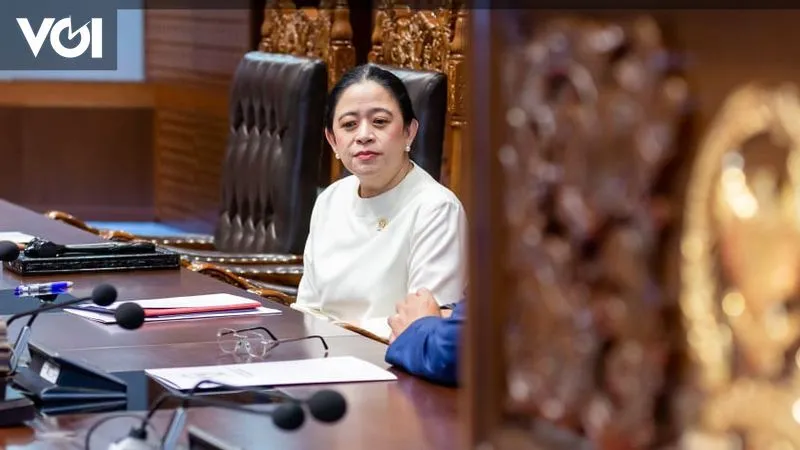
Puan Maharani stood before a crowd on May Day 2026 in Jakarta, calling for urgent reforms in worker protections. Her voice resonated with the palpable tension surrounding the potential layoff of 9,000 workers, a looming threat that she described as a serious warning for the government.
As workers rallied, they made 11 demands, prominently including the elimination of outsourcing. Puan emphasized that achieving the ambitious target of creating 19 million jobs in five years would be nearly impossible without strengthening the industrial foundation.
Puan’s advocacy did not stop at mere rhetoric. She proposed the formation of a workforce to address layoffs, insisting that work should not cease until employees are actually displaced. “This demand should be read on a large scale: policies for jobs actually increase uncertainty in workers’ lives,” she stated, highlighting the broader implications of employment policies.
The safety and security of digital transport workers also featured prominently in her address. Puan noted that their income and job security should not be treated as marginal issues. She remarked, “When work uncertainty increases, social pressure will be felt very quickly at the family level.” This acknowledgment underscored her understanding of how economic instability affects families directly.
Puan welcomed recent regulatory changes, specifically referring to the 7th number of Permenaker regarding outsourcing. However, she pressed for clear limits on what types of outsourcing should be permissible. Her call for reform was timely, especially following a tragic train accident in East Bekasi that claimed several lives—workers returning home after long hours.
“The state must also ensure that transportation is safe and that facilities for workers’ families are truly qualified,” Puan insisted, reinforcing her commitment to comprehensive worker welfare. Her remarks resonated deeply with those present, as they reflected a collective yearning for change.
Puan affirmed that all workers deserve equal protection under the law, including domestic workers and online drivers. As discussions about worker rights and protections continue to unfold in Indonesia, her leadership may prove pivotal in shaping future employment policies.