Two Indian-flagged ships came under fire in the Strait of Hormuz, leading India to summon the Iranian ambassador for an explanation. This incident marks a significant escalation in maritime tensions between the two nations.
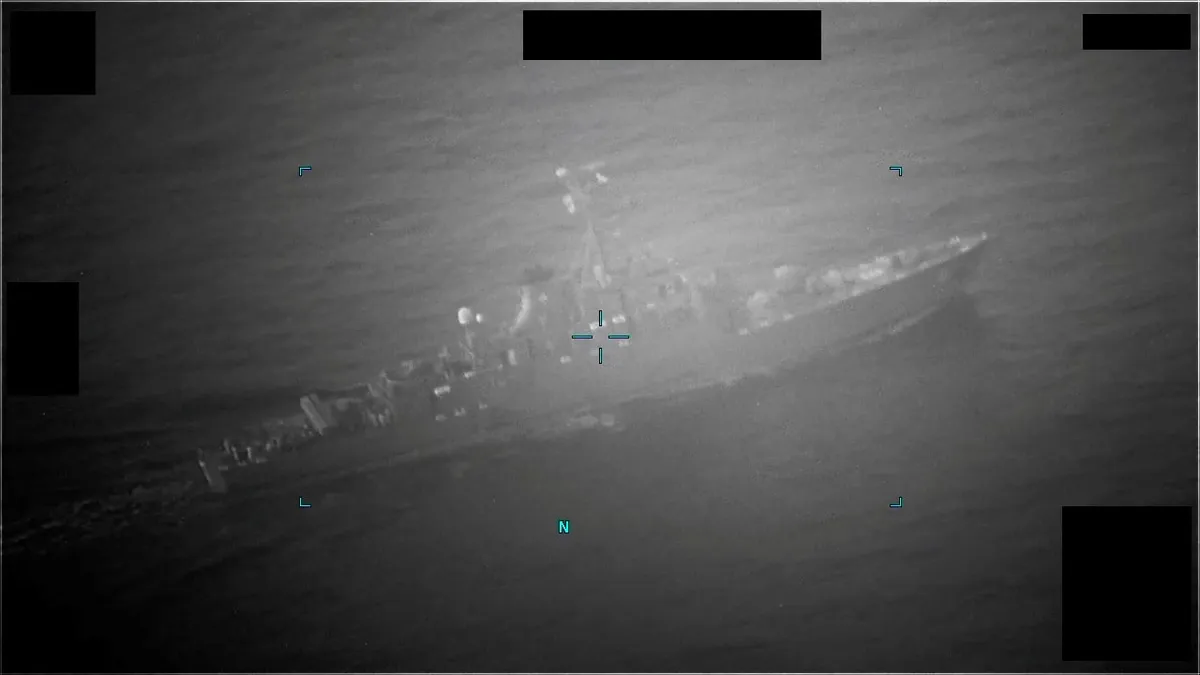
Reports indicate that gunfire from Iran’s Revolutionary Guards forced two Indian vessels to turn back. Meanwhile, another vessel—Desh Garima—was en route to Mumbai port, crossing the strait amid firing from Iranian gunboats.
As of now, ten Indian-flagged vessels have successfully navigated through this critical waterway, but not without challenges. The situation remains precarious; Iran had recently allowed these vessels to pass after initially blocking access last month.
Currently, there are 499 Indian seafarers aboard various Indian-flagged ships operating in the Persian Gulf region. This number underscores the human element caught in geopolitical strife. In total, 2,487 seafarers have been evacuated by shipping companies since tensions rose.
Vessels attempting to cross the Strait of Hormuz have received radio messages from Iran’s navy declaring that they were not permitted to pass. This blockade has left several Indian and foreign-flagged ships waiting for clearance to enter Iranian waters.
Two ships reported being hit by gunfire—details remain unconfirmed—but such incidents heighten fears among seafarers and shipping companies alike. India has consistently stated its commitment to ensuring safe maritime passage for its vessels.
The backdrop of this confrontation lies in Iran’s ongoing conflict with the US and Israel, which began on February 28. This larger conflict has undoubtedly influenced Iran’s recent actions in strategic waterways.
Notably, there are currently 13 Indian vessels positioned west of Hormuz and six east in the Gulf of Oman. Additionally, one vessel is reported in Gulf of Aden while three others are operating in the Red Sea.
As tensions escalate, observers speculate on what this means for future maritime operations in one of the world’s busiest shipping lanes. Will Iran continue to allow passage for Indian vessels or will it tighten restrictions further?
The international community watches closely as both nations navigate these turbulent waters—figuratively and literally. The implications for global trade could be profound if these tensions are not resolved swiftly.