The current format is easier to follow once you think of the tournament as a single league phase rather than the old group-stage model. All teams are ranked in one table, which makes every point, goal difference swing and rotation decision more meaningful across the campaign. The top eight teams go straight to the round of 16, while the clubs placed ninth to 24th move into the knockout phase play-offs. That structure gives the competition a steadier rhythm early on and much sharper consequences once the knockout rounds begin.
Why the tournament format changes how fans read progress
Progress is no longer defined by a simple win-or-go-home pattern. A team can look comfortable one week and vulnerable the next because the table remains fluid for longer. The format rewards consistency across several matchdays and exposes shallow squads more quickly. That is why it makes sense to understand the structure first and judge individual teams after that.
How to read fixtures and match importance
In the current UEFA Europa League format, readers should separate routine schedule viewing from truly decisive europa league games. The official fixture list shows when europa league matches directly affect the race for the top eight, the play-off zone from ninth to 24th place, or elimination from the competition. For practical reading, the most useful checkpoints are table position, goal difference, home-or-away context, and whether a club still controls its route to the next round. In the 2025/26 season, the league phase began in September and the knockout path leads to the final in Istanbul on 20 May 2026, so fixture timing becomes more important as the bracket narrows.
Which games matter more in different rounds
Late fixtures usually carry sharper consequences than earlier ones. Yet some early nights already shape later route difficulty. The context comes from table position and recovery margin. Travel and squad depth also matter. Big nights are usually defined by pressure, not by reputation.
How matches change in stakes and tactical value
A league-stage draw can be useful. A knockout draw can feel like a missed chance. Managers react to that difference in tempo and risk. Fans should, too. Tactical reading changes when margin disappears.
- Priority: Identify fixtures that directly change qualification or bracket urgency.
- Margin: Check whether one point still helps or now feels too small.
- Rotation: Notice if squad depth may influence the performance level.
- Context: Read the game within the wider route, not as a stand-alone event.
That small sequence already makes the matchweek easier to read.
How Europa league table positions shape knockout expectations
The table can look straightforward while hiding a very unstable picture. Rank matters, but the meaning of that rank often matters even more once the schedule tightens. Two clubs can sit close together while facing very different pressure. In the tournament, one side may be climbing with control, while another is hanging on after a softer run. Table reading works only when numbers are connected to draw impact difficulty and form.
Why table gaps matter before decisive late-round fixtures
A tiny gap raises the cost of every mistake. A wider gap changes urgency and tactical freedom. That is why fans should read distance, not just position. Stakes lives in the spaces between teams. Those spaces often decide the tone of the next round.
| Position band | What it usually means | Main risk | What to watch next |
| Top zone | Strong route control | Complacency | Rotation and consistency |
| Middle zone | Unstable balance | Drawn into tougher ties | Goal margin and next opponent |
| Lower live zone | Recovery still possible | No room for slips | Immediate results and form |
How to use stats without overreading small samples
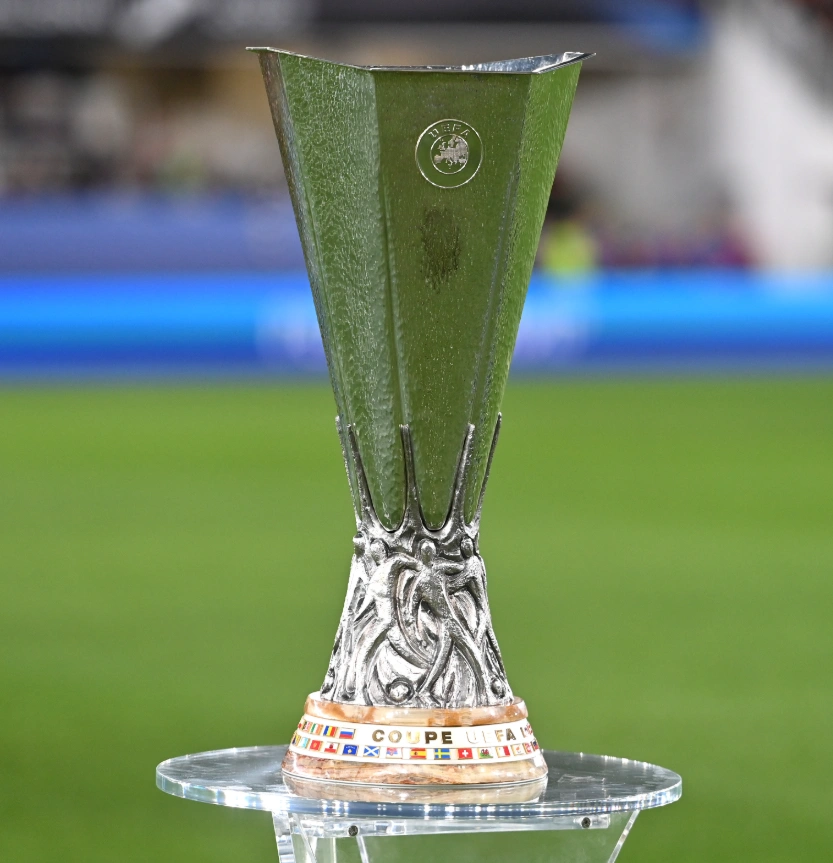
Official europa league stats are most useful when they are read as part of a wider competition pattern rather than as a reaction to one result. On UEFA’s official competition pages, readers can track goals, matches played, club-level output, saves, and other performance indicators, but those numbers make more sense when they are read together with opponent strength, stage pressure, and recent form. A strong statistical profile in the league phase does not automatically carry the same weight in two-legged knockout ties, so the safest method is to use the data as support for visible trends rather than as a stand-alone verdict.
When numbers help and when context matters more
Stats help when the sample is broad enough. They fail when one game dominates the picture. Recent trend, schedule strength, and stage pressure still matter. That is why numbers should guide, not replace, judgment. A mixed reading is usually the strongest one.
- Form: Recent sequence often says more than one standout result.
- Opponents: Numbers gain meaning only against schedule quality.
- Goals: Output should be read with efficiency, not volume alone.
- Trend: Improvement or decline matters more than static totals.
That framework helps keep the numbers grounded.
How UEFA draws affect path strength and matchup risk
A draw is never just one pairing. In UEFA Europa, path shape matters because the bracket can compress energy, confidence, and tactical risk across several rounds. Readers often focus too much on the next opponent and too little on the full path. That is where a simple path reading becomes useful. One hard stretch can shrink future margin very quickly.
How draw impact difficulty changes after each official draw
Every draw reshapes the next horizon. A balanced side of the bracket can become difficult very quickly. That is why route discussion is not noise. It is part of realistic tournament reading. Fans who track path strength usually read the competition better.
| Pros | Cons |
| Reading the bracket early helps readers judge energy demands, draw impact pressure, and whether a team’s path is soft only on the surface. | Early bracket reading can become too dramatic if fans treat one pairing as destiny and ignore later changes in form or availability. |
| It also makes squad depth easier to evaluate because route difficulty often exposes weak benches before pure talent gaps do. | A path can look severe in theory but soften in practice, so overcommitting to draw narratives can distort the real picture. |
| Smart path reading improves expectations for tactical choices, rotation, and recovery patterns across the later stages. |
How the term “European competition” differs from “Europa Cup”
The phrase European league often appears when users mean the same tournament but search loosely. That usually happens when the reader remembers the competition by context rather than by its exact title. Older wording does something similar. Both phrases show mixed search intent rather than a different competition. That is useful for writers because wording often reveals what the reader expects. Clear content should catch that intent without becoming repetitive.
FAQ: What fans ask about the Europa League and the final
How does the Europa League differ from the old group-stage format?
The current format shifts the focus away from small groups and toward a single league phase. That changes how fans read points, pressure, and margin for error across the schedule. The competition is still the same at its core, but the flow and the way progress is measured feel different.
What should fans look at first during a Europa League weekend?
A good starting point is to identify the fixtures that have the biggest impact on qualification and seeding pressure. That usually tells you more than simply following the biggest clubs or the loudest headlines. The smartest reading starts with stakes and context.
How should readers interpret the final before kickoff?
The uel final should be read as the last step of a structured UEFA bracket, not as an isolated one-off match. The 2026 final is scheduled for Wednesday 20 May at Beşiktaş Park in Istanbul, with the official event guide and ticket information published by UEFA.
Why do some users search for “Europa Cup” instead of “Europa League”?
Search habits often follow memory rather than official naming. Some readers use older or looser wording while still referring to the same competition. The intent stays the same, even if the label changes.