The Zojila Pass, a notorious stretch in the Himalayas, has long been recognized for its treacherous conditions, particularly during the winter months. Historically, this pass would remain closed for nearly five months, effectively isolating Ladakh from the rest of India. Travelers faced significant risks, with frequent avalanches and sudden weather changes complicating journeys.
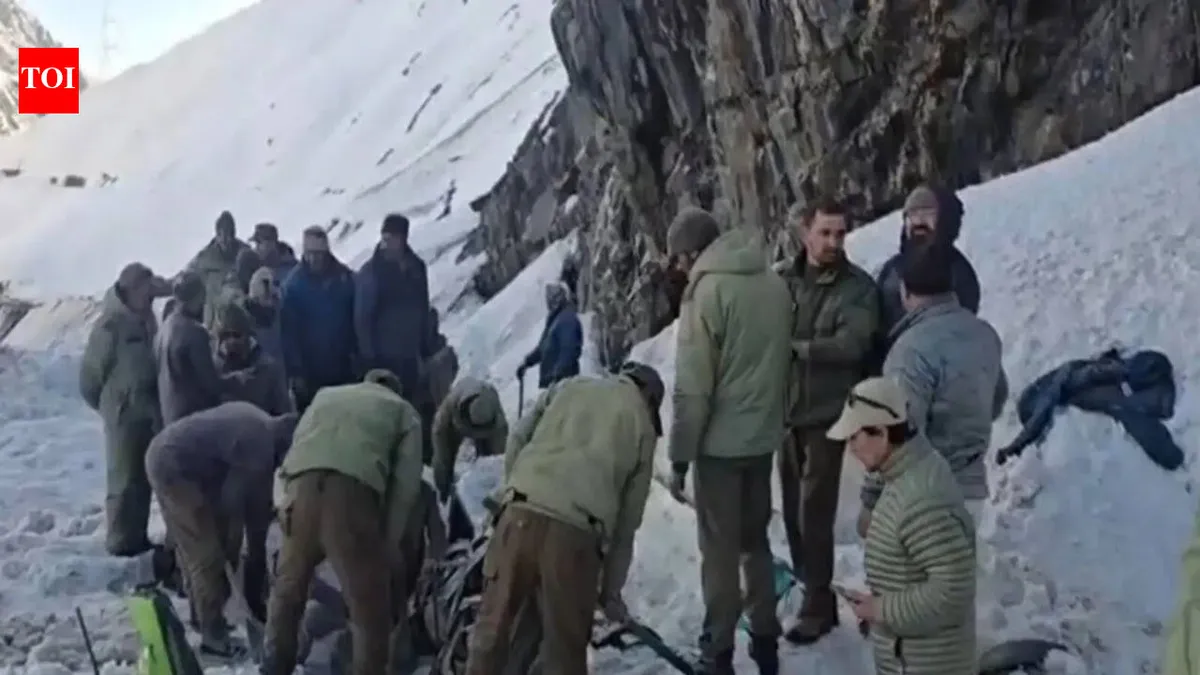
However, a recent avalanche has dramatically shifted the narrative. On a fateful Friday afternoon, around 3 PM, an avalanche struck near Zero Point at an elevation of 3,528 meters (11,649 feet), burying several vehicles traveling from Srinagar to Kargil. The immediate aftermath was devastating, with at least seven confirmed deaths and five injuries reported.
Rescue teams swiftly mobilized, employing JCBs to clear the snow and reach those trapped beneath the avalanche. As of now, seven bodies have been retrieved, while two individuals remain unaccounted for. The avalanche also resulted in three to four vehicles being trapped, blocking the vital Srinagar-Kargil highway.
The Lieutenant Governor of Ladakh expressed deep concern over this tragic incident, emphasizing the urgent need for enhanced safety measures in the region. Authorities have urged travelers to avoid the Zojila Pass until conditions stabilize, highlighting the ongoing risks associated with this perilous route.
In a bid to improve travel safety, the Zojila Tunnel is currently under construction. Once completed, this 14.15-kilometer tunnel is expected to provide year-round connectivity between Srinagar, Drass, Kargil, and Leh, significantly reducing travel time from three to four hours across the pass to just 15 to 20 minutes through the tunnel.
Experts note that the Zojila Pass is notorious for its steep gradients, narrow corridors, and unpredictable weather, making it one of the most dangerous stretches in the Himalayas. The recent avalanche serves as a stark reminder of the inherent risks faced by those traversing this route.
As rescue and clearance operations continue, authorities remain vigilant in monitoring conditions. Details remain unconfirmed regarding the exact number of vehicles trapped under the avalanche, but the urgency of the situation cannot be overstated.
The Zojila Tunnel project, aimed at providing a safe, weather-proof corridor, is anticipated to transform travel conditions in the region, potentially preventing such tragedies in the future.