Key moments
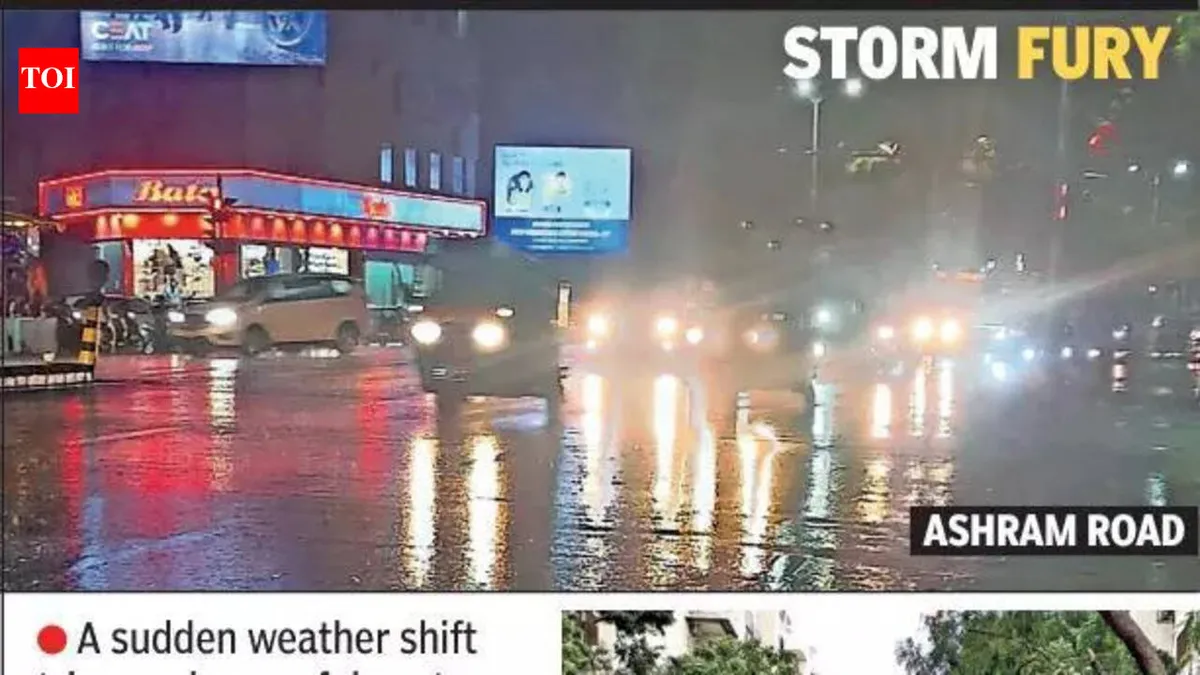
On April 1, 2026, Pune was caught off guard as sudden rain, thunderstorms, and hailstorms swept through the city, prompting the Indian Meteorological Department (IMD) to issue an orange alert for the region. This unexpected weather event has raised concerns among residents and farmers alike, as the city grapples with the implications of such drastic changes in weather patterns.
The immediate aftermath of the storms saw the temperature in Pune on April 2, 2026, recorded at 27.36 °C, with a minimum of 22.86 °C and a maximum of 33.33 °C. The relative humidity stood at 42%, and wind speeds reached 42 km/h, contributing to the chaotic conditions. Reports indicate that strong winds accompanied the rain, leading to at least 7-8 incidents of tree falls across the city, further complicating the situation.
Hailstorms were particularly severe in areas such as Kharadi and Katraj, where residents witnessed the unusual sight of ice pellets falling from the sky. The weather pattern affecting Pune is attributed to moisture influx from the Arabian Sea, a phenomenon that has become increasingly common as climate patterns shift. An IMD scientist noted, “It isn’t usual; however, it’s also not extremely unusual; it has happened before,” highlighting the complexities of the current climate crisis.
Farmers in the region are expressing significant concern about potential damage to crops due to the hailstorms, which could have lasting impacts on local agriculture. As the weather remains unstable, the IMD has warned that similar conditions are expected to persist for at least the next two days, leaving many to wonder how this will affect their livelihoods.
The air quality index (AQI) in Pune on April 2, 2026, was reported at 83.0, indicating fine air quality, a small relief amidst the tumultuous weather. However, the ongoing instability raises questions about the long-term implications for the city’s environment and public health.
As residents brace for the possibility of more severe weather, the IMD has emphasized the importance of staying informed and prepared. “The next few hours will be very critical…” a spokesperson warned, urging citizens to take precautions as the situation evolves.
This sudden shift in weather patterns marks a significant change for Pune, which has traditionally enjoyed a warm climate. The transition to unpredictable weather, characterized by thunderstorms and hailstorms, reflects broader trends in climate change that are affecting regions worldwide. As the city navigates these challenges, the resilience and adaptability of its community will be put to the test.