Reaction from the field
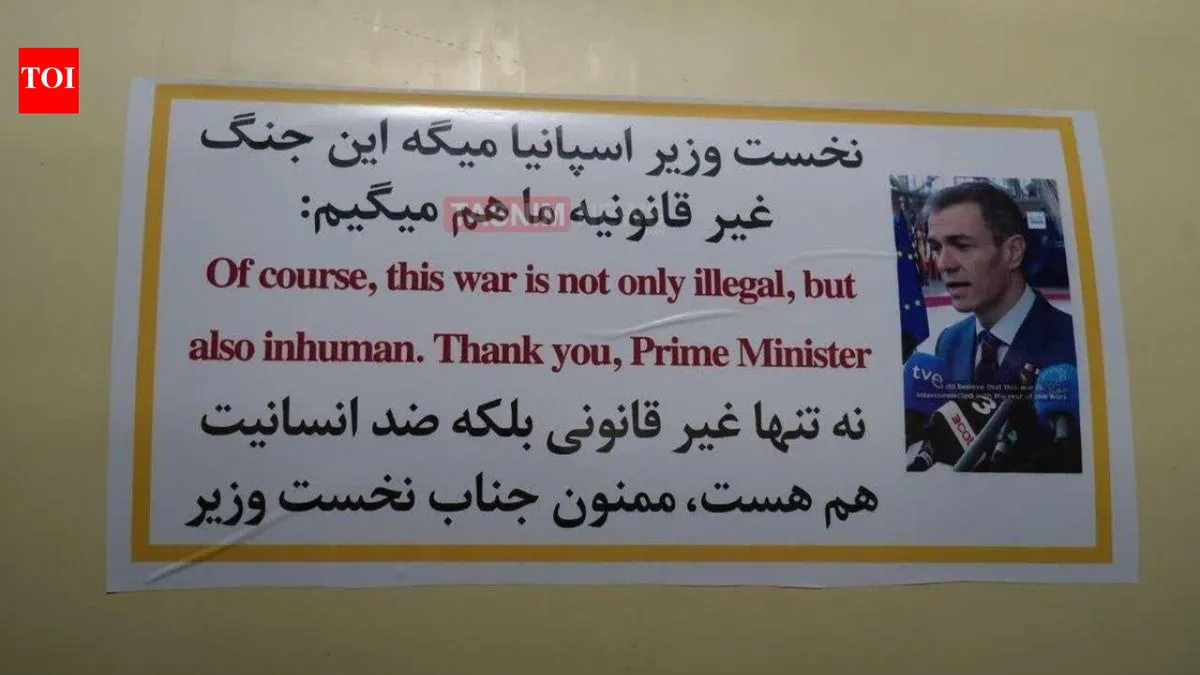
The ongoing conflict in the Middle East has reached a critical juncture, with over 2,000 lives lost since the war began on February 28, 2026. The situation has escalated dramatically, particularly with Iran’s recent actions that have heightened tensions with Israel and the United States. In a striking move, Iran attached Spanish Prime Minister Pedro Sanchez’s anti-war remarks to missiles aimed at Israel, showcasing the war’s far-reaching implications and the intertwining of international politics with military aggression.
As the conflict enters its fourth week, the stakes are higher than ever. The Israeli military has intensified ground operations against Hezbollah in Lebanon, responding to the group’s rocket attacks, which recently resulted in one death on March 22, 2026. Lieutenant General Eyal Zamir emphasized that the operation against Hezbollah is just beginning, indicating a prolonged military engagement that could further destabilize the region.
Iran’s response to perceived threats has been equally aggressive. The Iranian Parliament Speaker, Mohammad Bagher Ghalibaf, issued a stark warning that any attack on Iranian power plants would lead to the destruction of vital infrastructure across the region. This statement underscores the potential for a broader conflict that could involve multiple nations, as Iran has threatened to retaliate against U.S. energy facilities if attacked. The Strait of Hormuz, a crucial waterway for global oil and LNG supplies, remains a focal point of these tensions, with 20 percent of the world’s oil supplies transiting through it.
In a recent development, Iran’s Islamic Revolutionary Guard Corps warned that it would shut the Strait of Hormuz if U.S. threats are executed. This threat poses a significant risk not only to regional stability but also to global energy markets, as any disruption in this key waterway could lead to skyrocketing oil prices and economic repercussions worldwide. The U.S. has responded to these threats with a warning of its own, with President Trump giving Iran 48 hours to open the Strait of Hormuz.
Meanwhile, Kataeb Hezbollah has extended a pause on attacks against the U.S. embassy in Baghdad by five days, a move that could indicate a strategic recalibration in the face of escalating hostilities. This pause may provide a temporary respite, but it also reflects the complex dynamics at play as various factions navigate their positions in this multifaceted conflict.
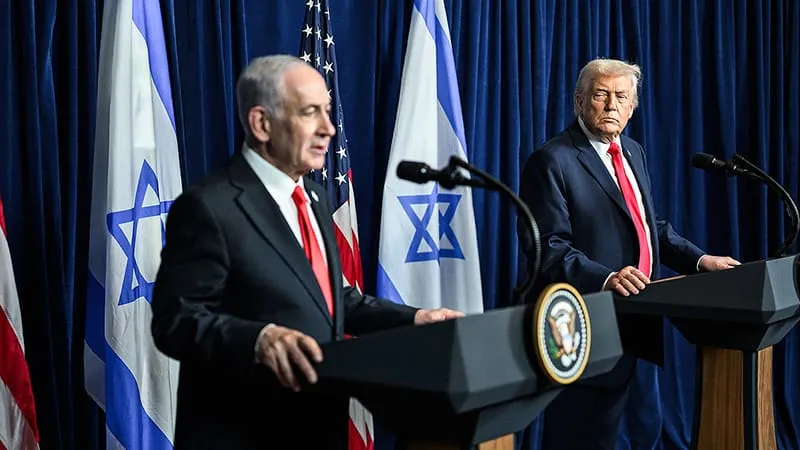
Israeli Prime Minister Benjamin Netanyahu has called for broader international involvement in the war against Iran, suggesting that the conflict may draw in additional global powers. This call for international engagement highlights the potential for a wider war that could involve multiple nations and further complicate an already volatile situation.
As the conflict continues to unfold, the uncertainty surrounding its trajectory remains palpable. Details remain unconfirmed regarding potential new alliances or escalations, and the international community watches closely as the situation develops. The war updates from the Middle East serve as a stark reminder of the fragile state of global peace and the far-reaching consequences of military actions in this historically tumultuous region.