The wider picture
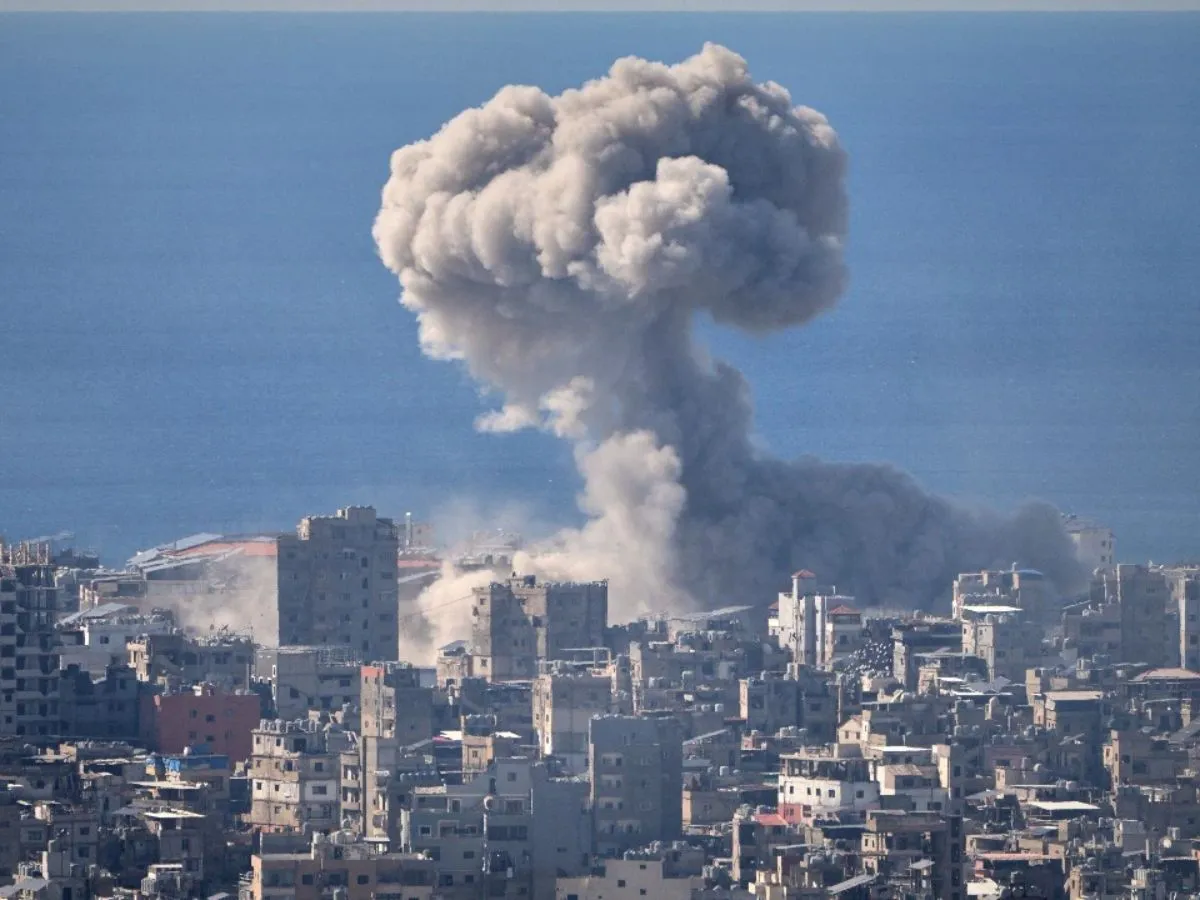
The conflict between Iran and the United States has escalated dramatically since it began in late February 2026. The hostilities have resulted in severe casualties and widespread destruction across multiple regions, with the death toll rising to over 1,500 in Iran and more than 1,000 in Lebanon. The situation has drawn in various regional players, including Israel, which has faced significant attacks, leading to the deaths of two IDF soldiers and 19 civilians, alongside nearly 4,700 injuries from ballistic missile strikes.
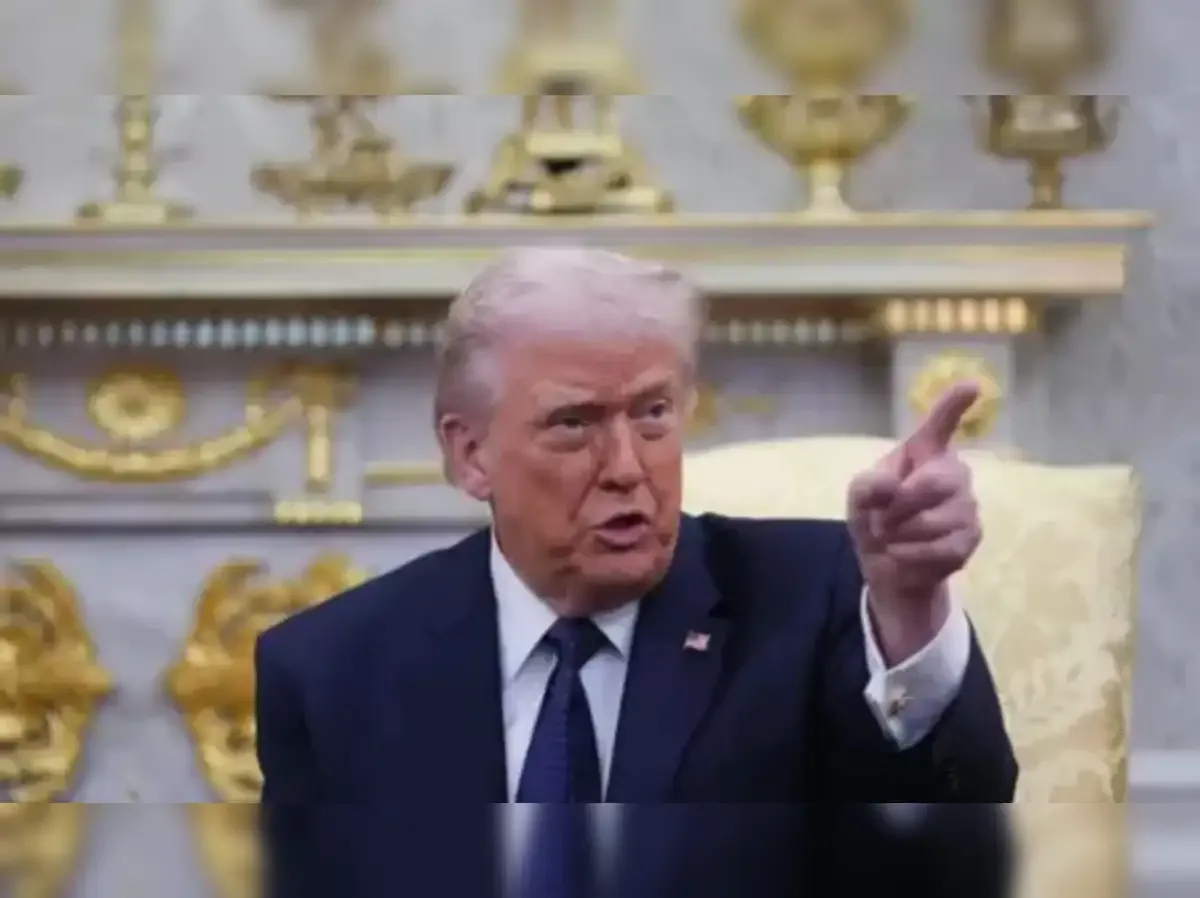
In a surprising turn of events, former President Donald Trump announced a five-day pause on military strikes against Iranian energy infrastructure. This decision comes on the heels of what Trump described as “very good and productive conversations” between US and Iranian officials. The pause is seen as a potential step towards de-escalation, although the underlying tensions remain palpable.
Trump’s announcement was accompanied by a statement emphasizing that the suspension of attacks is contingent upon the success of ongoing discussions. He noted, “Based on the tenor and tone of these in-depth, detailed, and constructive conversations, which will continue throughout the week, I have instructed the Department of War to postpone any military strikes against Iranian power plants and energy infrastructure for five days.” This indicates a willingness to explore diplomatic avenues amidst the chaos of war.
Iranian state television reported that Trump’s decision to back down from targeting Iranian power plants came after firm warnings from Iranian officials. This highlights the delicate balance of power and the high stakes involved in the ongoing conflict. As both sides navigate this complex landscape, the potential for a broader ceasefire remains uncertain.
The conflict has not only claimed lives but has also strained relations among Gulf nations, which are watching the developments closely. Observers are particularly concerned about the humanitarian implications of continued hostilities, as the war has already inflicted severe damage on civilian infrastructure and exacerbated the plight of those caught in the crossfire.
As the pause in military actions takes effect, the international community is left to ponder the implications of these negotiations. While the talks may offer a glimmer of hope for peace, the reality on the ground remains grim, with heavy casualties reported on all sides. The outcome of the ongoing talks remains uncertain, and details remain unconfirmed.
In the coming days, the world will be watching closely to see if this temporary halt in military action can pave the way for a more lasting resolution to the conflict. The stakes are high, and the consequences of failure could be dire, not just for Iran and the United States, but for the entire region.