Escalation of Conflict
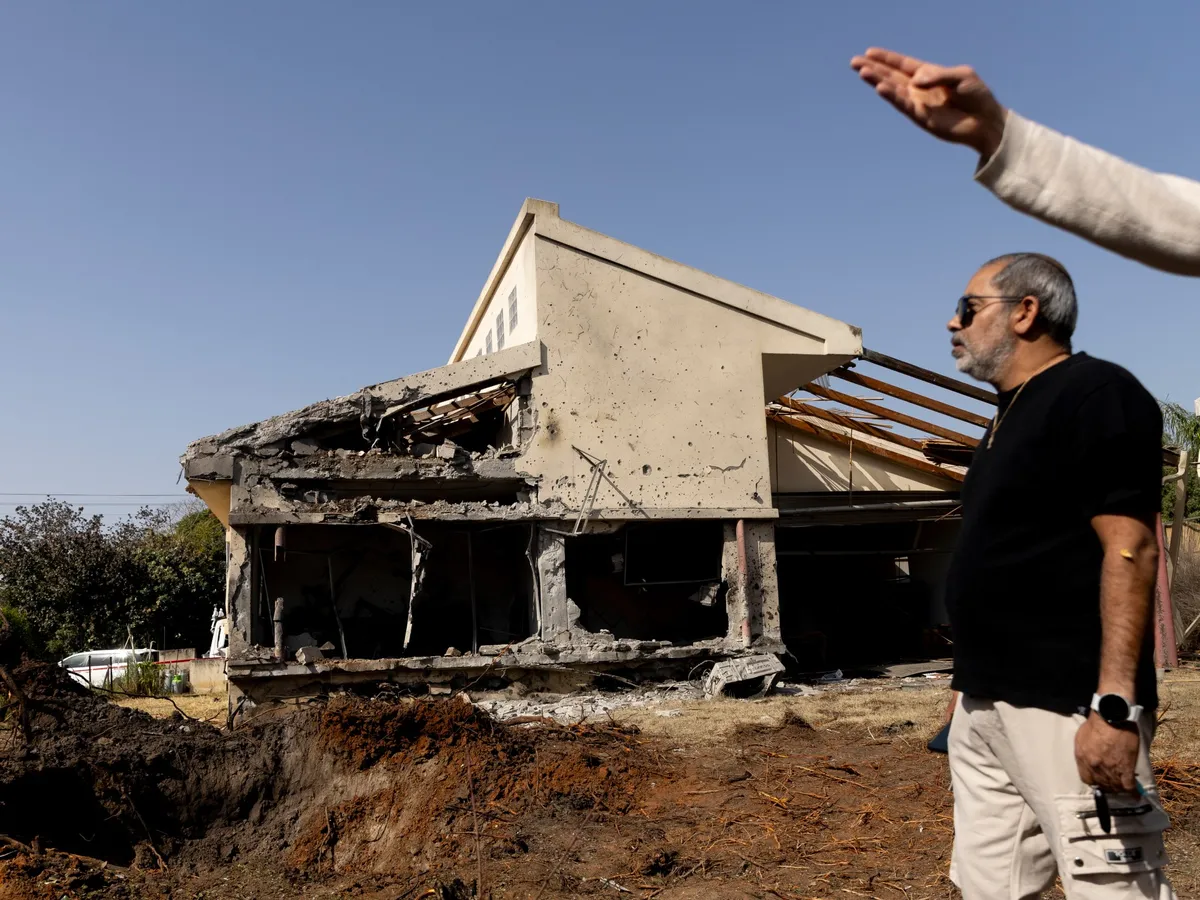
The war between Iran and Israel, which began on February 28, 2026, has escalated dramatically, resulting in at least 13 Israeli deaths and nearly 2,000 injuries. In Iran, the toll is even higher, with officials reporting at least 1,395 fatalities and significant damage to civilian infrastructure.
Iran has set three conditions for ending the war: recognition of its rights, payment of reparations, and guarantees against future aggression. Iranian President Masoud Pezeshkian emphasized that the conflict can only conclude if these demands are accepted by Washington and Tel Aviv, stating, “Tehran remains committed to peace but insists the conflict can end only if its demands are accepted by Washington and Tel Aviv.”
The war has led to widespread destruction, with nearly 20,000 civilian buildings affected, including at least 16,000 residential units. Iranian Deputy Health Minister Ali Jafarian reported that hospitals and health facilities across Iran have suffered damage due to US-Israeli strikes, highlighting the dire public health situation. Jafarian noted, “Unfortunately, there are a lot of … victims who are killed at the scene because [the US and Israel] are carpet bombing … civilian infrastructure.”
In a tragic incident in Minab, at least 168 people, including children, were killed when a primary school was struck on the first day of the conflict. Experts identified the munition that hit the IRGC base next to the school as a US Tomahawk missile.
Iran’s military has actively targeted Israeli military bases and the Shin Bet headquarters, escalating the conflict further. Iranian parliament Speaker Mohammad Baqer Qalibaf warned that any US aggression against Iranian islands will prompt Tehran to abandon all restraint, stating, “Any US aggression against Iranian islands in the Gulf will prompt Tehran to abandon all restraint.”
As the situation continues to unfold, observers remain concerned about the humanitarian impact of the conflict and the potential for further escalation. Reports indicate electricity shortages in cities like Karaj, raising serious public health concerns, as noted by Tohid Asadi, who remarked on the deteriorating air quality in the Iranian capital and surrounding areas.
Details remain unconfirmed regarding the full extent of the damage and casualties, as both sides continue to engage in military actions. The international community watches closely, hoping for a resolution to the ongoing violence.