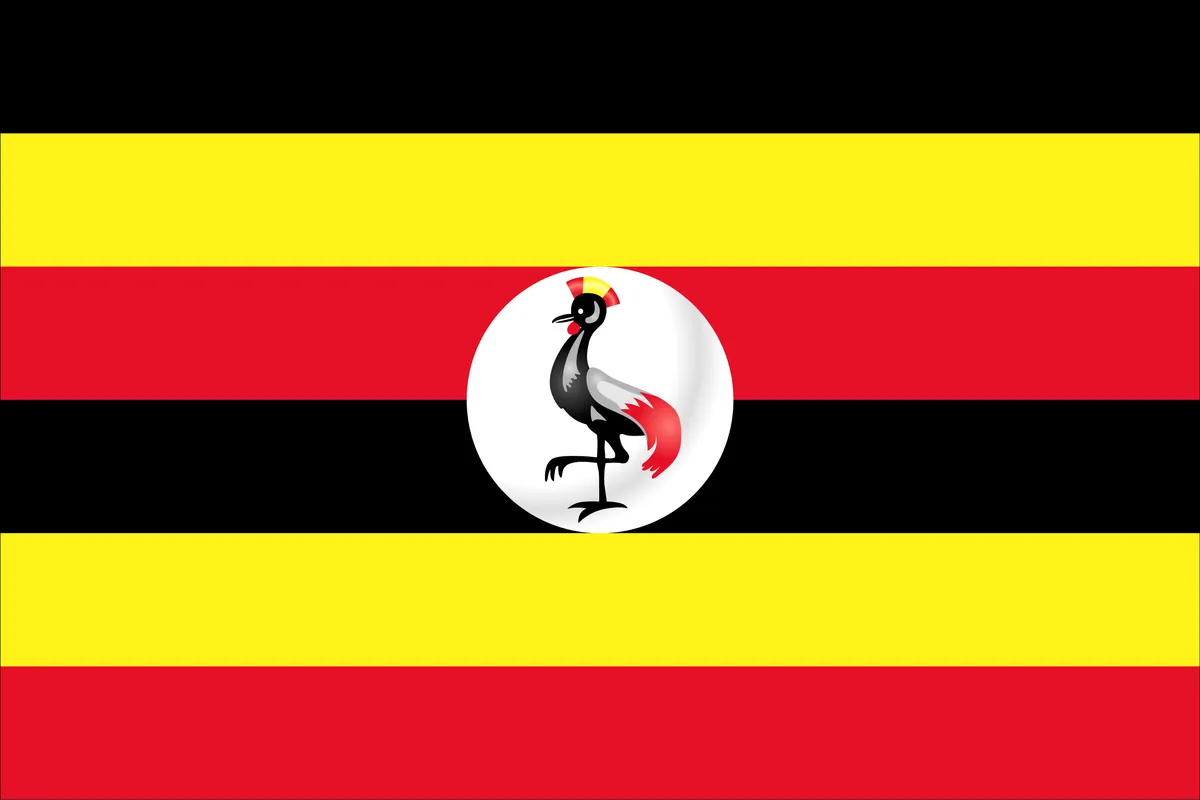
As tensions in the Middle East escalated in early 2026, Uganda found itself at a crossroads, with its military chief, Muhoozi Kainerugaba, making headlines for his bold declarations regarding the ongoing conflict between Israel and Iran. Just before the key development on March 26, Kainerugaba emphasized Uganda’s readiness to support Israel should it face defeat.
On that pivotal day, Kainerugaba stated, “We want the war in the Middle East to end now. The world is tired of it. But any talk of destroying or defeating Israel will bring us into the war — on the side of Israel.” This statement underscored Uganda’s commitment to its ally amid a backdrop of increasing violence and casualties reported since late February.
Kainerugaba, who is not only the chief of defense forces but also the son of President Yoweri Museveni, expressed unequivocal support for Israel, asserting that “Israel has a right to exist and attacks against her must stop.” His remarks reflect a significant shift in Uganda’s military posture, aligning it closely with Israel during a time of heightened conflict.
In a move that further solidifies this alliance, Kainerugaba announced plans to erect a statue honoring Yonatan Netanyahu, a figure remembered for his role in a historic hostage rescue operation in Uganda in 1976. This gesture symbolizes a deepening relationship between Uganda and Israel, rooted in shared historical experiences.
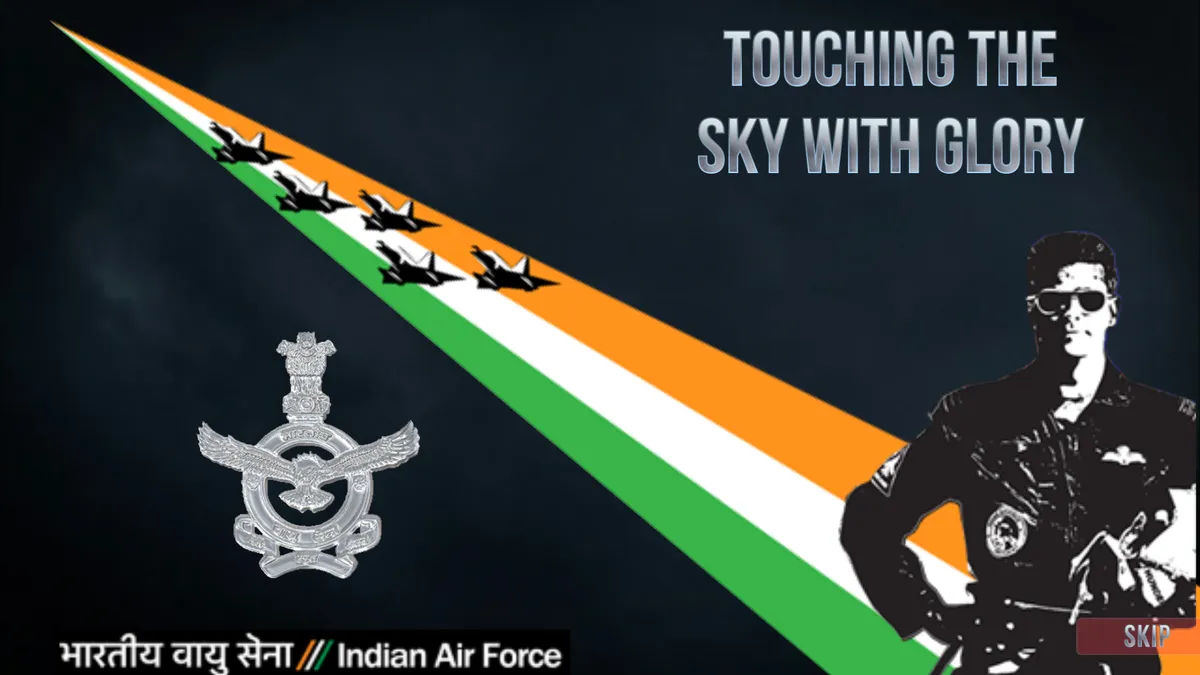
Currently, Uganda ranks 107th among the world’s strongest militaries, with a defense budget of $1.5 billion, 45,000 active troops, and 10,000 in paramilitary units. The Uganda People’s Defense Force (UPDF) is equipped with 51 aircraft, 26 of which are combat-ready, alongside a substantial ground force comprising over 250 tanks and multiple launch rocket systems.
The conflict’s intensification has prompted Kainerugaba to declare that the UPDF will participate in the war on Israel’s side if the situation does not resolve soon. His statements have raised eyebrows internationally, as they indicate Uganda’s willingness to engage militarily in a foreign conflict.
As the situation unfolds, the implications of Uganda’s military stance are significant not only for the region but also for the global community. Kainerugaba’s remarks resonate with a broader narrative of support for Israel, potentially influencing Uganda’s foreign relations and military engagements in the future.
Details remain unconfirmed regarding the extent of Uganda’s potential involvement, but Kainerugaba’s assertive declarations mark a notable moment in the country’s military history and its foreign policy direction.