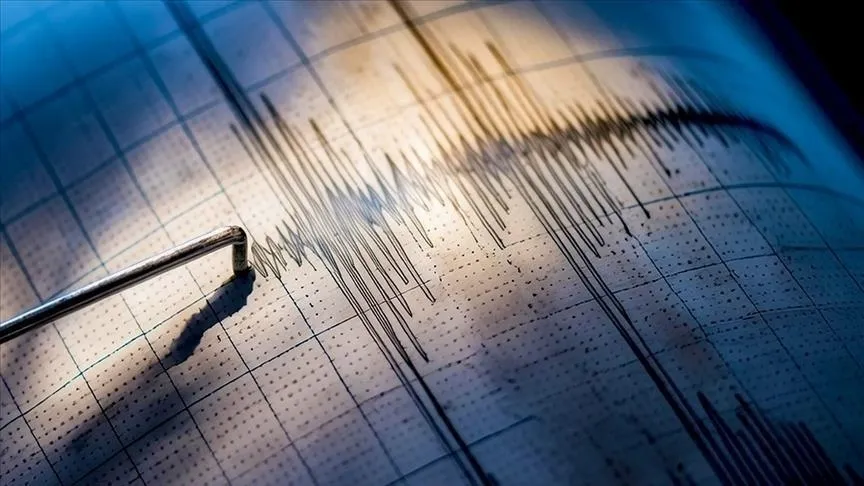
Before the recent seismic events, the South Shetland Islands were known for their geological activity, with earthquakes being a common occurrence in this remote part of Antarctica. However, the expectation was that any significant tremor would likely remain localized, without triggering widespread alerts or concerns.
On March 18, 2026, everything changed when a magnitude 6.7 earthquake struck the South Shetland Islands at a depth of 10 km (6.21 miles). This earthquake, while powerful, did not result in any immediate reports of damage or casualties, which is a relief for the sparse population and research stations in the area.
In the wake of this earthquake, the US Tsunami Warning System quickly assessed the situation and announced that no tsunami was expected for the US Atlantic, Gulf, or Pacific coasts. This decisive moment alleviated fears of a potential ocean-wide disturbance that could have affected coastal communities far from the epicenter.
Interestingly, the earthquake in the South Shetland Islands was part of a broader pattern of seismic activity observed globally on the same day. Regions such as Indonesia, Spain, and Japan also experienced moderate earthquakes, but none of these events resulted in tsunami warnings. For instance, a 4.2 magnitude earthquake occurred in Indonesia at a depth of 157 km, while a 4.5 magnitude quake hit Spain at a depth of 75 km.
Experts noted that the moderate strength and significant depths of these earthquakes contributed to the lack of ocean-wide disturbances. The seismic conditions were closely monitored by authorities to ensure public safety, emphasizing the importance of preparedness in seismically active regions.
As the world continues to grapple with the implications of natural disasters, the recent events serve as a reminder of the unpredictable nature of our planet. The South Shetland Islands, while remote, are a crucial part of the global seismic landscape, and the quick response from monitoring agencies highlights the advancements in technology and communication that help mitigate risks.
Details remain unconfirmed regarding any long-term effects from the earthquake, but for now, the absence of a tsunami threat is a welcome relief. The situation underscores the importance of vigilance and preparedness in the face of natural phenomena that can change rapidly.