Changing Weather Patterns in Mumbai
Historically, Mumbai has enjoyed a tropical climate characterized by warm temperatures and high humidity. However, the city has recently faced a notable shift in weather patterns. Prior to March 2026, the expectations for the season were relatively moderate, with temperatures typically hovering around 30 to 32 degrees Celsius during this time of year. The residents were accustomed to the gradual warming that precedes the monsoon season, but this year, the situation has taken a drastic turn.
Decisive Moment: The Heatwave Emerges
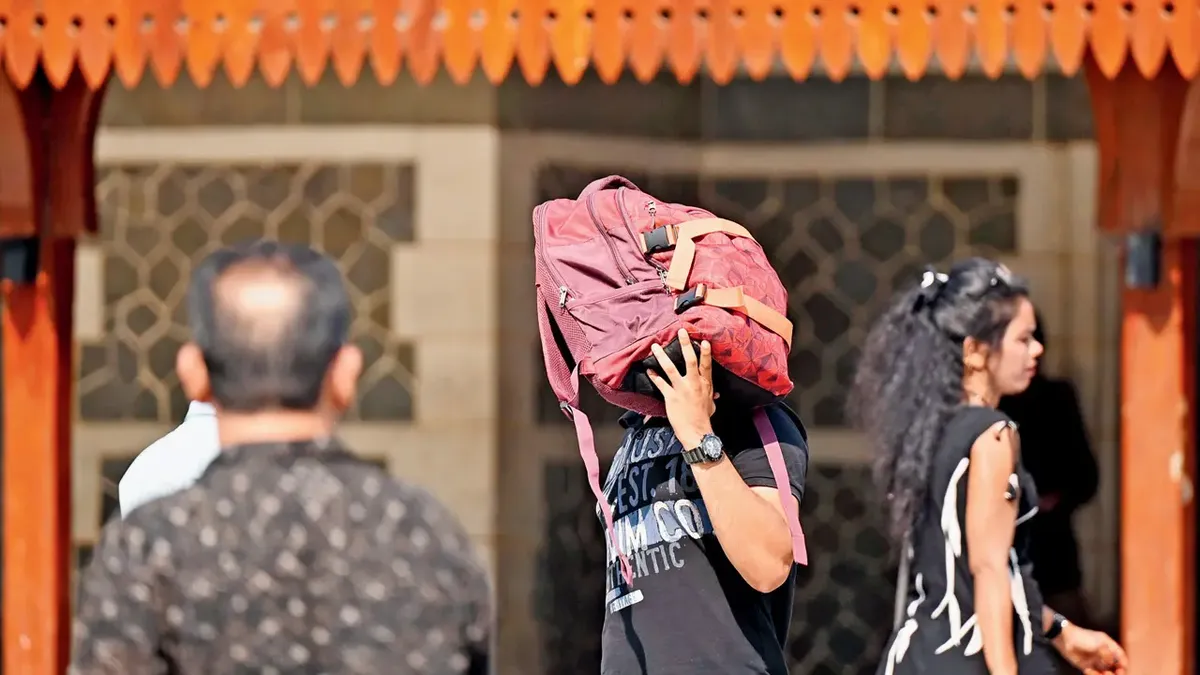
On March 9, 2026, Mumbai recorded a maximum temperature of 38.4 degrees Celsius, marking the onset of the city’s first heatwave of the season. This was the earliest heatwave in at least a decade, catching many off guard. The India Meteorological Department (IMD) responded promptly by issuing a heatwave warning for the city, predicting temperatures to reach 39 degrees Celsius on the same day and 37 degrees Celsius the following day. Such high temperatures are significantly above the normal levels for this time of year.
Immediate Effects on the City
The spike in temperatures had immediate repercussions for the residents of Mumbai. The maximum temperature at Ram Mandir soared to 42.5 degrees Celsius, while Vikhroli recorded 41.7 degrees Celsius. These extreme conditions prompted the IMD to issue a yellow warning for Mumbai and its neighboring areas, including Thane, Palghar, and Navi Mumbai, advising citizens to take precautions against the heat. The humidity levels in the city ranged between 18% and 34%, further exacerbating the discomfort felt by the population.
Expert Insights on the Temperature Surge
Experts have attributed this sudden rise in temperatures to anticyclonic circulation in the Arabian Sea, particularly near south Gujarat and neighboring areas, including Mumbai. Sushma Nair, a senior scientist at IMD Mumbai, stated, “The spike in temperatures is attributed to the anticyclonic circulation in the Arabian Sea near south Gujarat and neighbouring areas including Mumbai.” This scientific perspective helps contextualize the abrupt change in weather, shedding light on the broader climatic shifts affecting the region.
Looking Ahead: Weather Forecasts
As the week progresses, temperatures in Mumbai are expected to remain elevated, hovering around 35 degrees Celsius for most of the week. The minimum temperature is projected to be around 24 degrees Celsius, which, while cooler, still indicates a warm environment. Residents are advised to stay hydrated and limit outdoor activities during peak hours to mitigate the health risks associated with extreme heat.
Historical Context of Heatwaves in Mumbai
This recent heatwave is not an isolated incident; it reflects a growing trend of increasing temperatures in urban areas, influenced by climate change and urbanization. The IMD’s early warning system aims to prepare the public for such extreme weather events, but the frequency and intensity of these occurrences raise concerns about long-term climate resilience in Mumbai.
Conclusion: Adapting to New Norms
As Mumbai navigates this unprecedented heatwave, the city faces the challenge of adapting to changing climatic conditions. With the IMD’s warnings and expert analyses, it is crucial for residents to remain vigilant and proactive in safeguarding their health during these extreme weather events. The implications of such temperature changes extend beyond immediate discomfort, highlighting the need for sustainable urban planning and climate adaptation strategies in the face of ongoing environmental changes.