Transition of Power in Iran
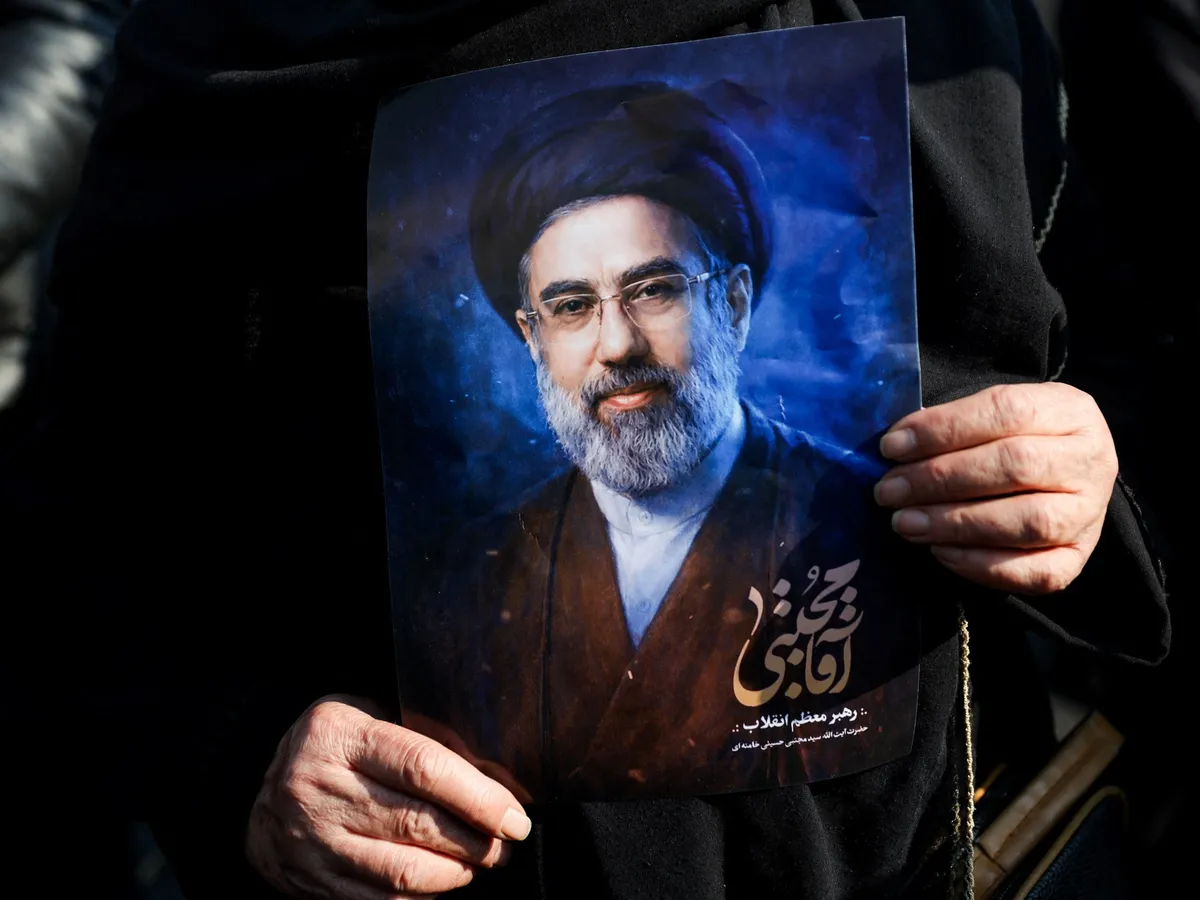
The political landscape in Iran has undergone a significant transformation with the appointment of Mojtaba Khamenei as the new Supreme Leader. This change comes in the wake of his father, Ali Khamenei’s, death, which occurred during US-Israeli strikes, a moment that has left the nation in a state of crisis.
Prior to this development, expectations surrounding Iran’s leadership were uncertain, particularly given the longstanding influence of Ali Khamenei. His leadership was characterized by a firm stance against Western powers, especially the United States and Israel, and a commitment to the Islamic Republic’s ideological foundations.
A Decisive Moment
Mojtaba Khamenei’s appointment on March 9, 2026, marks a decisive moment for Iran. Despite having never held a formal position in government, he received immediate backing from Iran’s political and security establishment, indicating a unified front during this tumultuous period.
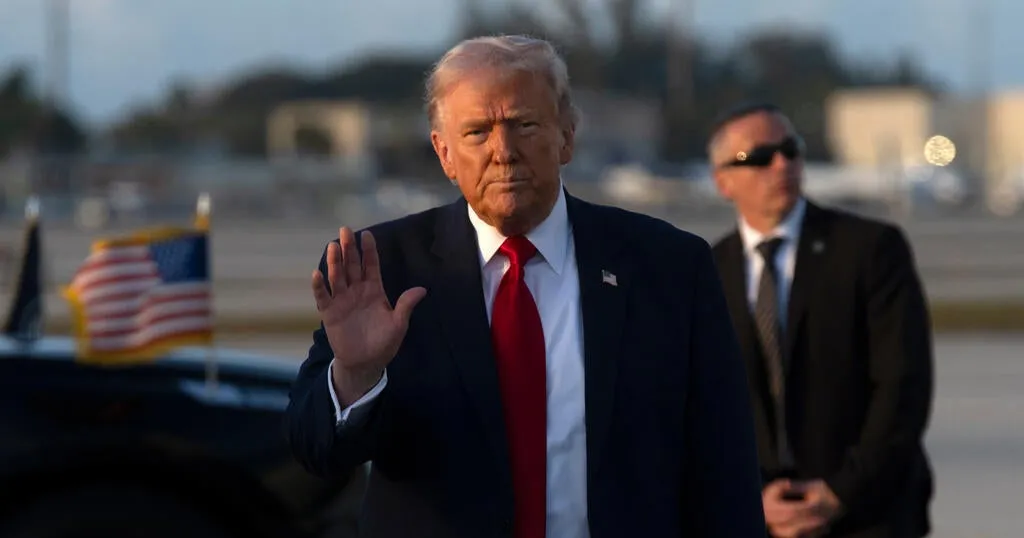
International reactions to his appointment have been mixed. Oman’s Sultan sent a congratulatory message, while Iraqi Prime Minister Mohammed Shia al-Sudani expressed confidence in Khamenei’s leadership, stating, “We express our confidence in the ability of the new leadership in the Islamic Republic of Iran to manage this sensitive stage.” This support contrasts sharply with the criticism from US President Donald Trump, who labeled the appointment a mistake.
Implications for Regional Dynamics
The implications of Mojtaba Khamenei’s leadership extend beyond Iran’s borders. Israel’s Foreign Ministry has already condemned him, calling him a “tyrant” and threatening him, reflecting the ongoing tensions in the region. Conversely, Russian President Vladimir Putin pledged unwavering support, emphasizing the need for courage and dedication in facing armed aggression.
Additionally, Yemen’s Houthis congratulated Khamenei, indicating a potential strengthening of alliances among Iran’s regional partners. Mass rallies in Iran supporting Khamenei highlight a domestic backing that may bolster his position as he navigates the challenges ahead.
Expert Perspectives
Experts suggest that Mojtaba Khamenei’s rise could lead to a continuation of his father’s policies, particularly in terms of resistance against perceived external threats. However, the lack of formal political experience raises questions about his ability to manage the complexities of governance in a time of crisis.
As the situation unfolds, the international community will be closely monitoring the developments in Iran under Khamenei’s leadership. Details remain unconfirmed regarding the long-term effects of this transition on Iran’s domestic and foreign policies.