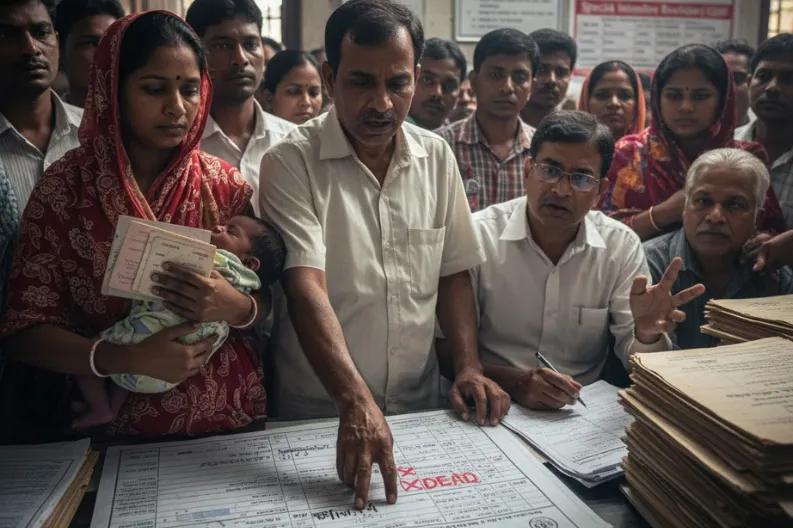
Before the recent developments, the electoral landscape in West Bengal was marked by uncertainty and a backlog of pending voter registrations. The earlier draft roll had included 7,08,16,630 names, but many voters faced challenges in getting their records settled. The situation prompted the Election Commission of India (ECI) to announce the Special Initiative for Registration (SIR) exercise on October 27 last year, aiming to streamline the voter registration process.
On March 24, 2026, a decisive moment arrived with the publication of the first supplementary voter list by the ECI and the West Bengal Chief Electoral Officer (CEO). This list signifies a remarkable turnaround, as 27 lakh pending voter records have been settled, with approximately 2 lakh names being processed daily. This rapid progress reflects the commitment to ensuring that every eligible voter is accounted for.
The impact of this shift is profound. With 29 lakh adjudications completed out of the 60 lakh cases under judicial review, the electoral process is now more transparent and accessible. Voters whose names are excluded from the supplementary list will have the opportunity to appeal through designated tribunals, as noted by Manoj Kumar Agarwal, providing a safety net for those affected.
As of the final electoral roll published on February 28, the total number of voters in West Bengal stands at 7,04,59,284. This figure marks a significant adjustment from the earlier draft roll, showcasing the ECI’s efforts to refine the voter registry. The removal of 73 Returning Officers (ROs) further underscores the ECI’s commitment to maintaining integrity in the electoral process.
In addition to these changes, the hard copy of the supplementary list will be made available at the offices of the district electoral officers (DEOs), ensuring that voters have access to crucial information regarding their registration status. Centralized processing of the list is currently underway in the apex poll body’s office in Delhi, as stated by Agarwal.
The model code of conduct is being strictly enforced across all assembly constituencies, highlighting the ECI’s dedication to a fair electoral environment. This rigorous oversight aims to prevent any undue influence or irregularities as the state prepares for the upcoming elections.
As West Bengal navigates this transformative phase in its electoral journey, the supplementary voter list 2026 serves as a testament to the importance of inclusive and transparent voter registration. The changes not only reflect the ECI’s proactive measures but also signify a renewed hope for millions of voters eager to participate in the democratic process.
While the immediate effects of these developments are clear, the long-term implications for political parties and voter engagement in West Bengal remain to be seen. The evolving landscape will undoubtedly shape the strategies of various political entities as they prepare for the electoral battle ahead.
Details remain unconfirmed regarding the final outcomes of the ongoing adjudications and their potential impact on voter participation. However, the momentum generated by the supplementary voter list is likely to influence the political dynamics in the state significantly.