The numbers
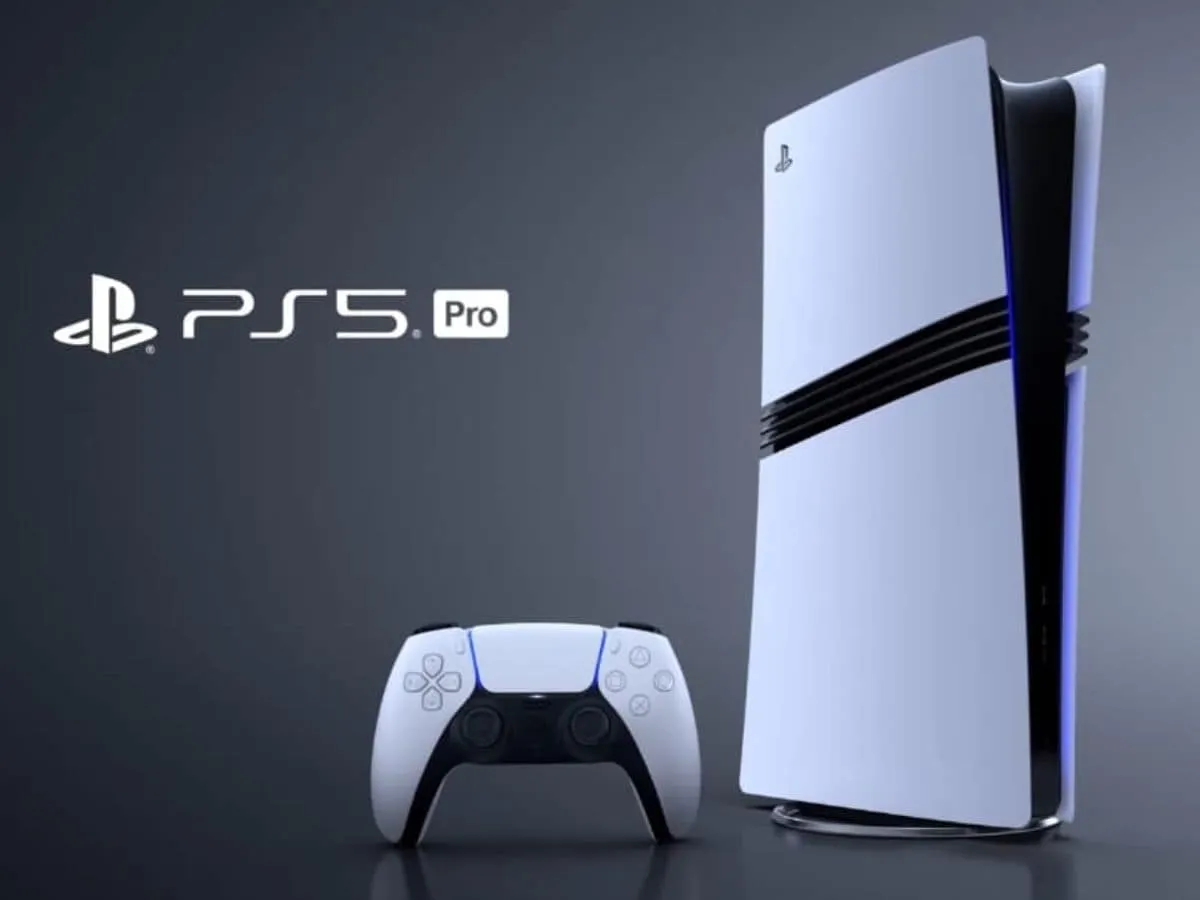
Sony has officially announced a price increase for its PlayStation 5, PS5 Pro, and PlayStation Portal, effective April 2, 2026. The PS5 Pro will now retail for $899.99 in the United States, while the standard PS5 will see its price rise to $649.99, marking a significant shift in the gaming landscape.
The decision comes as Sony grapples with rising production costs, inflation, and sustained global demand for its gaming consoles. “With continued pressures in the global economic landscape, we’ve made the decision to increase the prices of PS5, PS5 Pro, and PlayStation Portal remote player globally,” stated Isabelle Tomatis, a representative from Sony. This increase applies to both disc and digital editions of the PS5, reflecting a broader trend in the gaming industry.
Historically, the PS5 was launched in November 2020, and this is not the first time Sony has adjusted its pricing. The company last raised the price of the PS5 in the U.S. in August 2025, indicating a pattern of responding to economic pressures. The latest price hike has sparked discussions among gamers and industry analysts alike, with some suggesting that the cost of joining the PlayStation ecosystem has increased significantly.
In addition to the PS5 and PS5 Pro, the PlayStation Portal will now be priced at $249.99 in the United States. This price adjustment is not limited to North America; it also affects major regions including Europe and the UK, where the PS5 will be priced at £569.99 and €649.99, respectively. The PS5 Pro will cost £789.99 in the UK and is expected to have a similar price point across Europe.
Industry experts have noted that the gaming market is increasingly becoming a hobby focused on high-earners. Mat Piscatella remarked, “Gaming is trending towards becoming a hobby focused on high-earners,” highlighting the potential implications of these price increases on the accessibility of gaming for average consumers.
Despite the price hikes, Sony has not announced any changes to PlayStation Plus memberships or accessories, leaving some aspects of the PlayStation ecosystem unchanged for now. This decision may be seen as a strategic move to maintain a loyal customer base while adjusting hardware prices.
As the gaming community processes this news, observers are left to consider the long-term implications of these price increases. Will this shift affect the overall market dynamics, or will demand for high-end gaming experiences continue to thrive? Details remain unconfirmed as the situation develops.