Reaction from the field
Maa Skandamata, revered as the fifth form of Maa Durga, holds a significant place in the hearts of devotees, especially during the vibrant festival of Navratri. Celebrated on the fifth day, which falls on March 23 in 2026, this day is dedicated to her nurturing and protective qualities. As devotees gather to seek her blessings, the atmosphere is filled with a sense of hope and reverence, underscoring the importance of maternal figures in spiritual practices.
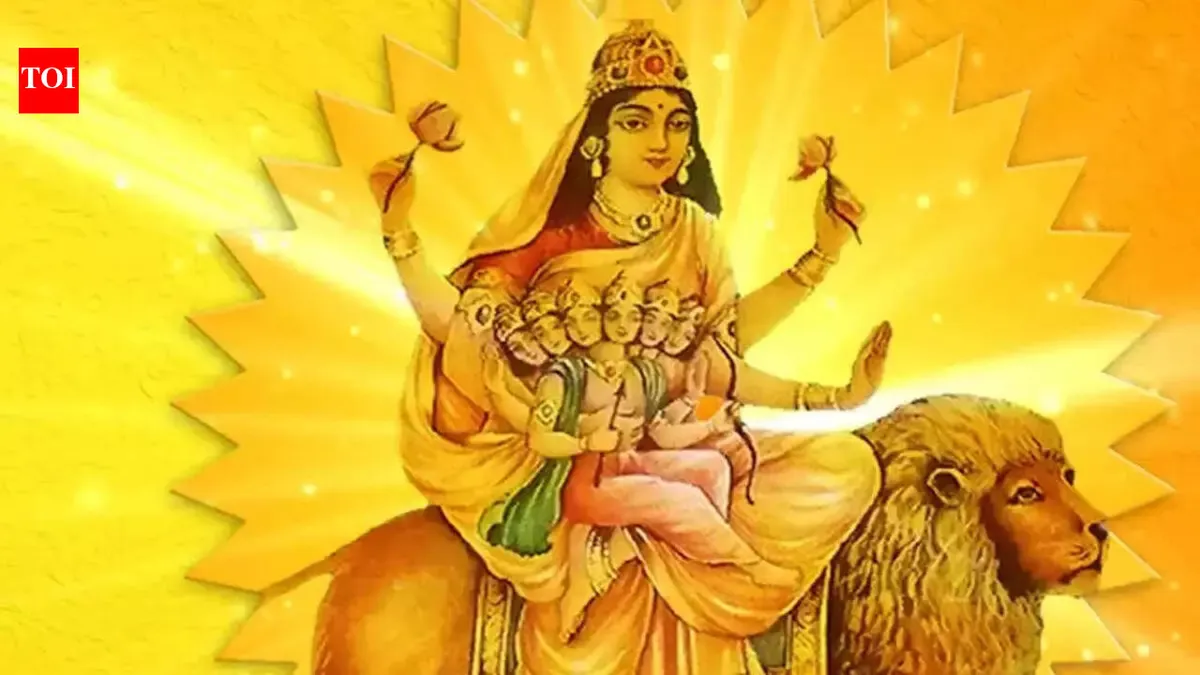
Skandamata is not only a symbol of motherhood but also represents stability and emotional balance. She is depicted holding her son, Lord Kartikeya, also known as Skanda, in her lap while riding a lion, signifying strength and protection. This imagery resonates deeply with those who seek her blessings for peace and prosperity in their lives. The rituals performed on this day focus on family well-being and emotional stability, making it a pivotal moment for many.
The color associated with Navratri Day 5 is yellow, symbolizing positivity and energy. Devotees are encouraged to wear yellow to enhance their spiritual experience and invite positive energy into their lives. Additionally, offerings of bananas, considered auspicious, are made to Maa Skandamata, further emphasizing the nurturing aspect of this revered deity.
In the words of Prime Minister Shri Narendra Modi, “देवी स्कन्दमाता की करबद्ध प्रार्थना! मेरी कामना है कि अपने ममतामयी स्नेह और आशीर्वाद से वे सबका जीवन आलोकित करें।” This prayer reflects the deep-seated belief that Maa Skandamata’s blessings can illuminate the lives of her devotees, providing them with the strength to navigate life’s challenges.
Devotees often engage in gratitude meditation for 5-10 minutes, reflecting on their lives and the stability that Maa Skandamata brings. This practice not only fosters a sense of community among worshippers but also reinforces the emotional balance that her worship aims to achieve. The rituals and prayers dedicated to her are a testament to the enduring relevance of these ancient traditions in modern society.
As the day approaches, the anticipation among devotees grows. Many prepare elaborate altars adorned with flowers and offerings, creating a sacred space for worship. The collective energy during this time is palpable, as individuals come together to honor Maa Skandamata and seek her guidance in their personal and professional lives.
Despite the rich traditions surrounding Maa Skandamata, uncertainties remain regarding the specific practices and interpretations that may evolve over time. Details remain unconfirmed as communities adapt to contemporary challenges while striving to maintain the essence of their spiritual heritage. The ongoing dialogue about the relevance of such deities in modern life continues to shape the way worship is conducted.
In conclusion, the worship of Maa Skandamata during Navratri is a powerful reminder of the nurturing and protective qualities that many seek in their lives. As devotees come together to celebrate her, they not only honor their cultural heritage but also reinforce the values of motherhood, care, and emotional stability that she embodies.