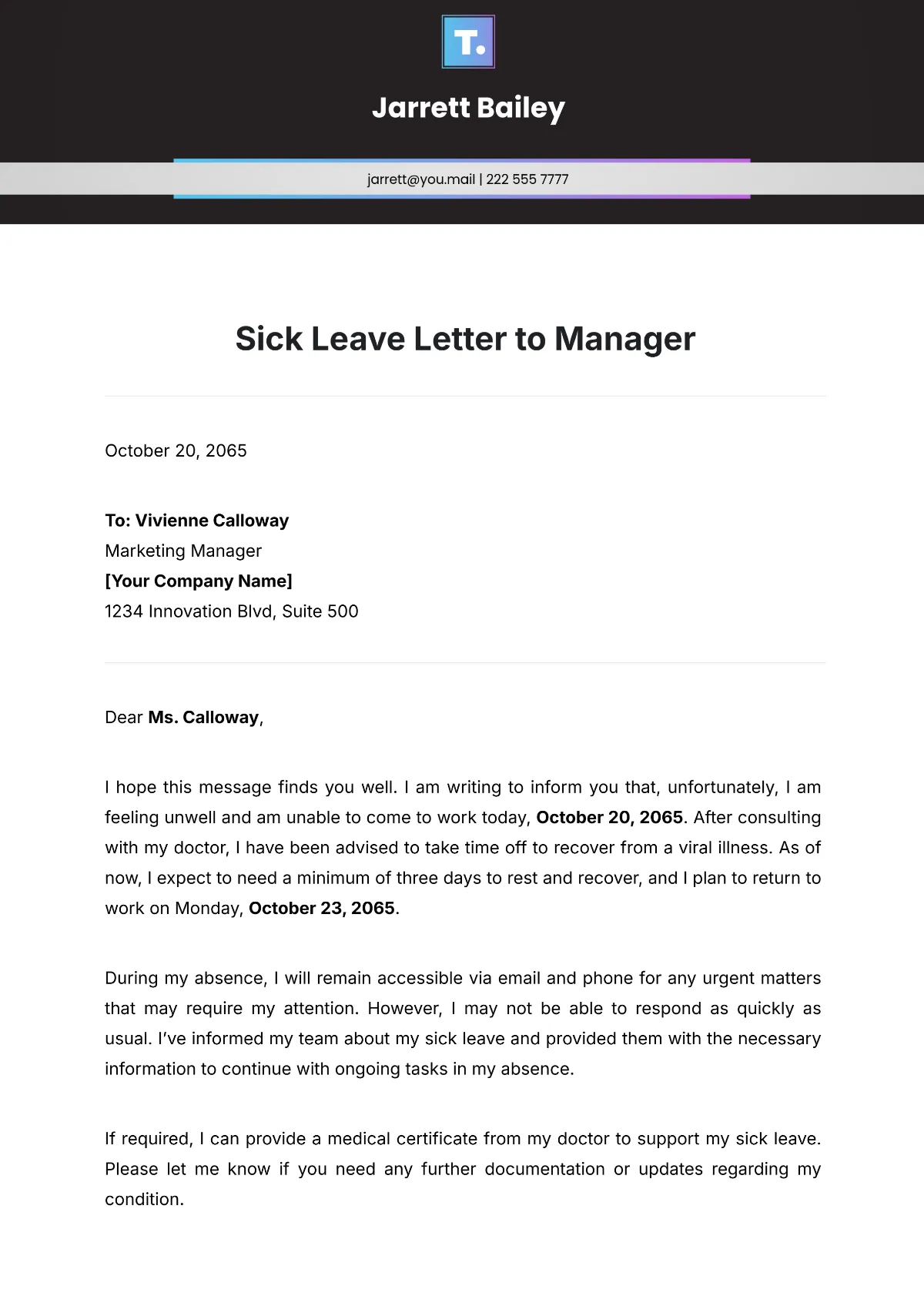
In India, single-day sick leaves are often treated with suspicion, even for common illnesses like fever or migraines. This cultural backdrop sets the stage for a troubling incident involving a corporate employee whose request for a day of sick leave was denied by his manager after he developed a fever. The manager’s rationale was stark: sick leave could only be granted if the employee was hospitalised for three days with proof. This stringent requirement raises questions about the treatment of employee health in corporate environments.
After the initial denial, the employee sought medical attention and obtained a doctor’s certificate recommending two days of rest. Armed with this documentation, he applied for sick leave through the HR portal, which was subsequently approved. However, the manager refused to accept the HR-approved sick leave, insisting on seeing the prescription. This reaction has sparked outrage among many, especially on platforms like Reddit, where users have described the manager’s behavior as a reflection of toxic workplace norms.
The incident highlights a significant issue within corporate India: the stigma surrounding sick leave. Many employees feel pressured to work through illness, fearing that taking a day off could jeopardize their standing within the company. This pressure is compounded by a broader societal attitude that often views single-day sick leaves with skepticism. The reluctance to accept such requests can lead to a culture where employees prioritize work over their health, ultimately affecting overall productivity and morale.
Moreover, the situation is exacerbated by external factors such as extreme weather conditions. In 2023, India faced an unprecedented heatwave that cost the country an estimated 181 billion potential labour hours, translating into income losses of about Rs 13 lakh crore (approximately $141 billion). As temperatures rise, the impact on worker health becomes even more pronounced, with projections indicating that India could lose about 5.8% of working hours by 2030 due to heat stress, up from 4.3% in 1995.
In Spain, a different but related debate is unfolding regarding sick leave verification and monitoring. The country recorded 53.7 temporary disability cases per 1,000 workers in 2025, prompting discussions about how sick leave is managed. Public sentiment is shifting towards a more compassionate understanding of employee health, with calls for policies that prioritize well-being over rigid adherence to outdated norms.
As the conversation around sick leave evolves, it is crucial for companies to recognize the importance of supporting employee health. Advocates argue that if sick leave is policy-backed and HR-approved, managers should not gatekeep it. This sentiment resonates strongly with employees who feel that their health should take precedence over corporate bureaucracy.
Looking ahead, observers suggest that companies must adapt to changing attitudes towards sick leave and employee well-being. By fostering a culture that values health and supports employees during times of illness, organizations can enhance productivity and create a more positive work environment. The recent incident serves as a reminder that the treatment of sick leave is not just a policy issue but a reflection of broader workplace culture and values.