The Constitution (Scheduled Castes) Order, 1950, has long established the eligibility criteria for individuals seeking Scheduled Caste status in India. According to this order, only those who adhere to the Hindu, Sikh, or Buddhist faiths are recognized as belonging to Scheduled Castes. This ruling has significant implications for many individuals, particularly those from Dalit backgrounds who may choose to convert to other religions.
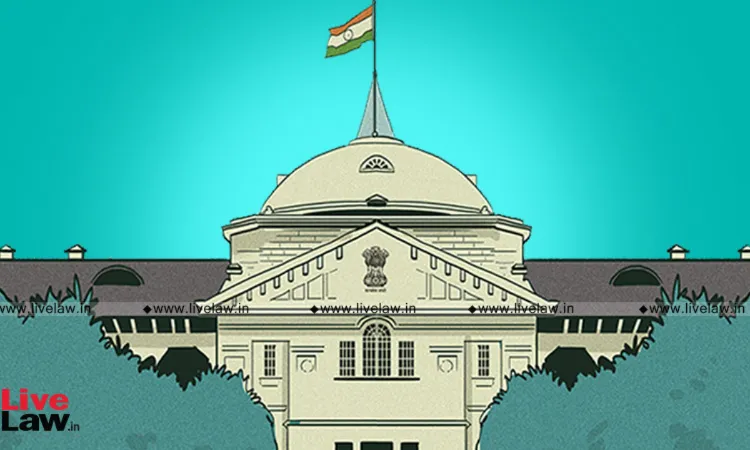
Recently, the Supreme Court reinforced this position, stating unequivocally that “only individuals belonging to Hindu, Sikh, or Buddhist faiths are eligible to claim Scheduled Caste status.” This declaration has reignited discussions around the intersection of religion and caste, particularly in the context of conversion.
Under the current legal framework, conversion to any other religion, such as Christianity, results in the immediate and complete loss of Scheduled Caste status. A Dalit individual who converts to Christianity, for instance, cannot claim protection under the Scheduled Castes and Scheduled Tribes (Prevention of Atrocities) Act. This aspect of the ruling has raised concerns among advocates for social justice, who argue that it further marginalizes already vulnerable communities.
The Supreme Court’s ruling emphasizes that “Scheduled Caste status ends the moment you convert to another religion, other than Hinduism, Sikhism or Buddhism.” This strict interpretation of the law means that individuals who convert are left without the protections afforded to Scheduled Castes, effectively erasing their previous identity.
For those who wish to reclaim their Scheduled Caste status after reconversion, the process is fraught with challenges. The court has stipulated that there must be clear proof that the person originally belonged to a caste notified under the Constitution (Scheduled Castes) Order, 1950. This requirement places a heavy burden on individuals seeking to reintegrate into their original communities.
Moreover, the burden of proof lies entirely on the claimant. Mere self-proclamation is insufficient; community recognition is required to validate the claim. This stipulation has led to fears that many individuals may find it nearly impossible to reclaim their status, further entrenching social divisions.
As the implications of this ruling unfold, observers note that it could lead to increased tensions within communities, particularly among those who have converted and wish to return to their original faiths. The legal landscape surrounding Scheduled Caste status continues to evolve, and many are watching closely to see how these developments will impact the lives of individuals across India.
Details remain unconfirmed regarding potential legislative changes or further judicial reviews that may address the concerns raised by this ruling. As discussions continue, the intersection of caste, religion, and identity remains a critical area of focus for policymakers and advocates alike.