As of April 2026, El Salvador finds itself in a precarious situation, shaped significantly by President Nayib Bukele’s aggressive stance against gang violence. Just before this pivotal moment, Bukele had solidified his control over the state, implementing a state of exception that has lasted four years, aimed at dismantling notorious gangs like Mara Salvatrucha and Barrio 18.
In recent months, the Salvadoran government has escalated its crackdown on gang-related activities, leading to the detention of approximately 91,000 individuals under the state of exception. This mass incarceration strategy has sparked widespread concern over human rights violations, particularly as the government has approved life imprisonment for gang members, including minors.
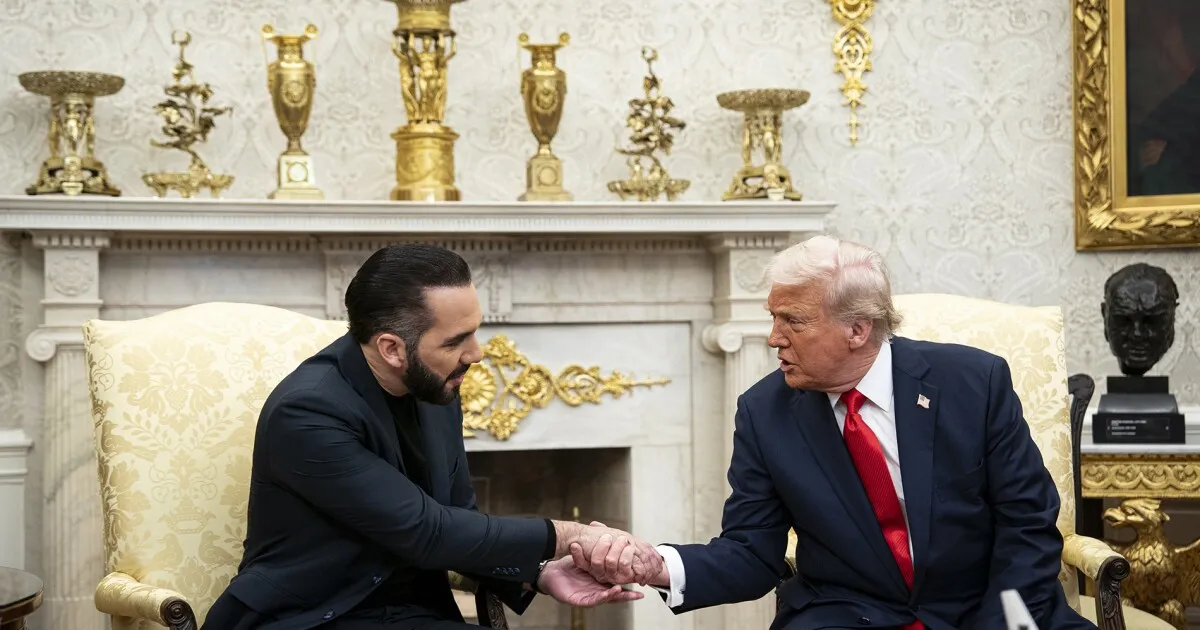
On April 7, 2026, the documentary “The Deal: Trump, Bukele & the Gangs of El Salvador” premiered, shedding light on the controversial agreements between Bukele and former U.S. President Donald Trump. These deals included provisions for imprisoning deportees accused of gang affiliations, further complicating the already dire situation.
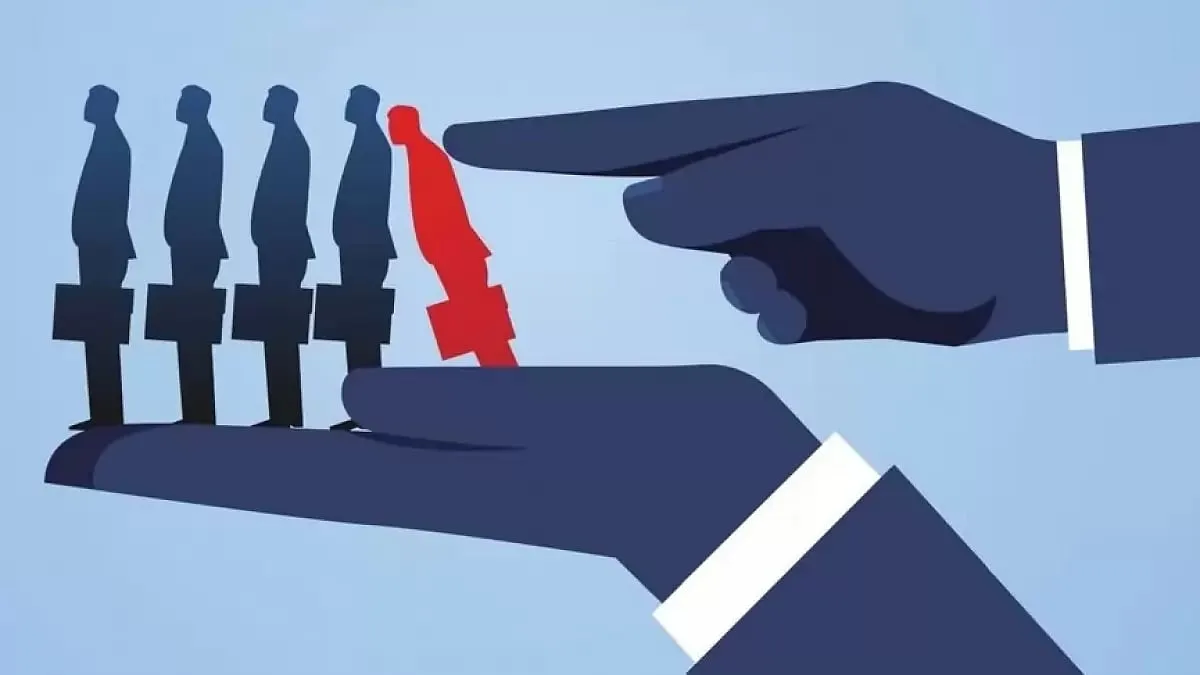
Mass trials are now underway, with around 20,000 detainees being grouped together for prosecution. The attorney general’s office has promised 3,000 indictments in the first quarter of the year, but the trials have been criticized for lacking basic guarantees of due process. An anonymous lawyer remarked, “From the moment they group them together, they are declaring them guilty.” This sentiment is echoed by families of the accused, who fear that innocent individuals will be swept up in the government’s sweeping measures.
Williams Díaz, a victim of this crackdown, was detained while on his way to work and now awaits trial in a mega-prison designed for gang members. Similarly, Jonathan, a 24-year-old maquila worker, was unjustly categorized into a Mara Salvatrucha clique alongside 80 others, illustrating the arbitrary nature of these mass detentions.
Human Rights Watch has documented numerous incidents where detentions were triggered by anonymous calls or neighborhood disputes, raising alarms about the potential for wrongful arrests. The government’s reforms to the organized crime law have eliminated crucial hearings where evidence is evaluated, further endangering the rights of the accused.
Despite these troubling developments, Bukele remains popular among many Salvadorans for his perceived success in reducing gang-related violence. However, the cost of this success has been steep, with over 500 deaths reported in prisons under the state of exception, and defendants potentially spending up to five years without a conviction.
As the situation unfolds, the implications of Bukele’s policies continue to resonate deeply within Salvadoran society. Families are left in anguish, with Reynaldo Santos describing the experience as “Russian roulette, anguish, an ordeal.” Gladis Villatoro, another affected family member, poignantly stated, “Some will pay for others. If they convict one, they convict the whole group.”
Details remain unconfirmed regarding the exact number of wrongful arrests and the specifics of the deal between Trump and Bukele, but the impact of these events is undeniable. El Salvador stands at a crossroads, with its future hanging in the balance as the government grapples with the consequences of its anti-gang war.