Who is involved
The anticipation surrounding the film adaptation of the ancient Hindu epic, Ramayana, has been palpable for years. With its rich narrative and deep cultural significance, expectations were high for a cinematic portrayal that would do justice to Valmiki’s timeless tale. The film, directed by Nitesh Tiwari and featuring Ranbir Kapoor in the iconic role of Lord Rama, was poised to be a landmark project in Indian cinema. As the release date approached, fans eagerly awaited a glimpse of the film, hoping for a visual feast that would resonate with both Indian and global audiences.
On April 2, 2026, coinciding with Hanuman Jayanti, the teaser for Ramayana was finally unveiled. The moment marked a decisive shift in the film’s promotional journey, generating immediate buzz across social media platforms. The teaser, which showcases glimpses of Rama’s journey as a warrior and king, was met with a flurry of reactions, both positive and negative. While some viewers praised the ambitious scale of the project, others expressed disappointment, noting that the visuals appeared exaggerated and did not meet the high expectations set by the film’s budget of approximately $500 million.
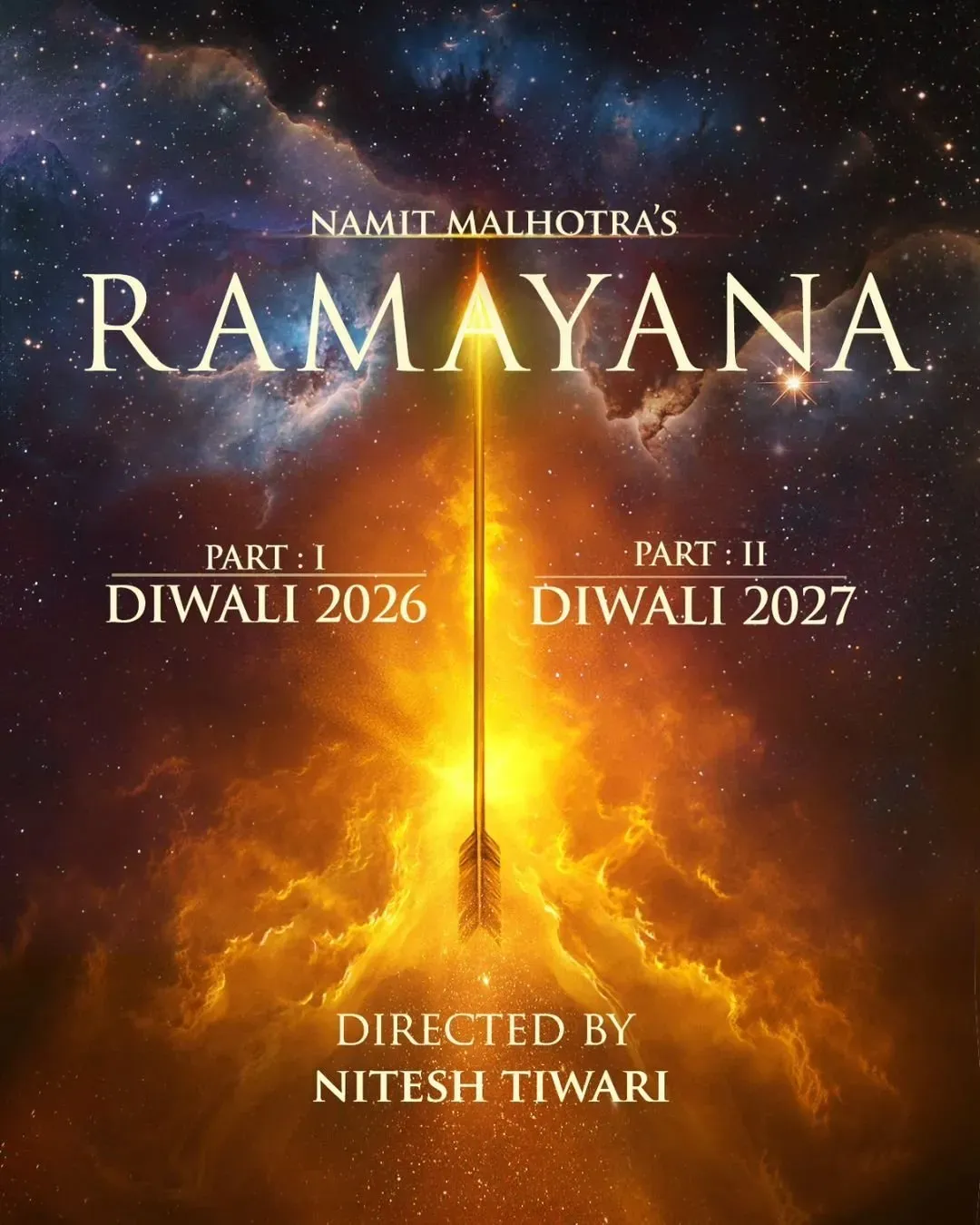
The film’s production, backed by Prime Focus Studios in association with DNEG and Monster Mind Creations, aims to deliver a two-part global release, with Part 1 scheduled for Diwali 2026 and Part 2 for Diwali 2027. This ambitious plan reflects the filmmakers’ intent to reach a broad audience, leveraging the universal themes of duty, sacrifice, and righteousness found in the Ramayana. However, the mixed reactions to the teaser have raised questions about whether the film can truly captivate a global audience.
Critics have pointed out that while the teaser showcases stunning visuals, some elements felt overly polished, leading to comparisons with lower-tier Hollywood productions. One critic remarked, “Some of these shots are too polished and look like AI,” highlighting concerns that the film may prioritize visual effects over authentic storytelling. Another noted, “The Ramayana teaser felt like a project, not passionate filmmaking,” suggesting that the emotional depth of the narrative may be overshadowed by its grand scale.
Industry experts have weighed in on the implications of this mixed reception. The Ramayana, an epic that has inspired countless adaptations over generations, carries with it a legacy that filmmakers must navigate carefully. One expert stated, “Rama is the greatest of all time because he lived a life where the choices he made were always in the benefit of the greater good, duty over desire, and sacrifice over self.” This sentiment underscores the importance of staying true to the essence of the characters and their journeys.
As the film gears up for its release, the stakes are undeniably high. The combined budget of $500 million for both parts of Ramayana reflects the ambitious vision of its creators, but it also raises the bar for audience expectations. The film’s score, composed by renowned artists Hans Zimmer and A.R. Rahman, adds another layer of anticipation, as music plays a crucial role in enhancing the emotional resonance of cinematic storytelling.
In the wake of the teaser’s release, the film’s creative team faces the challenge of addressing audience concerns while maintaining their artistic vision. The mixed reactions serve as a reminder of the delicate balance between innovation and tradition in adapting such a revered text. As the release dates approach, the filmmakers will need to harness the excitement generated by the teaser while also ensuring that the final product honors the legacy of the Ramayana.
Details remain unconfirmed regarding the film’s final visual effects and narrative adjustments, but the journey of Ramayana is just beginning. With the world watching, Ranbir Kapoor and his co-stars, including Sai Pallavi, Sunny Deol, and Kajal Aggarwal, are set to embark on a cinematic adventure that aims to redefine epic storytelling for a new generation.