The wider picture
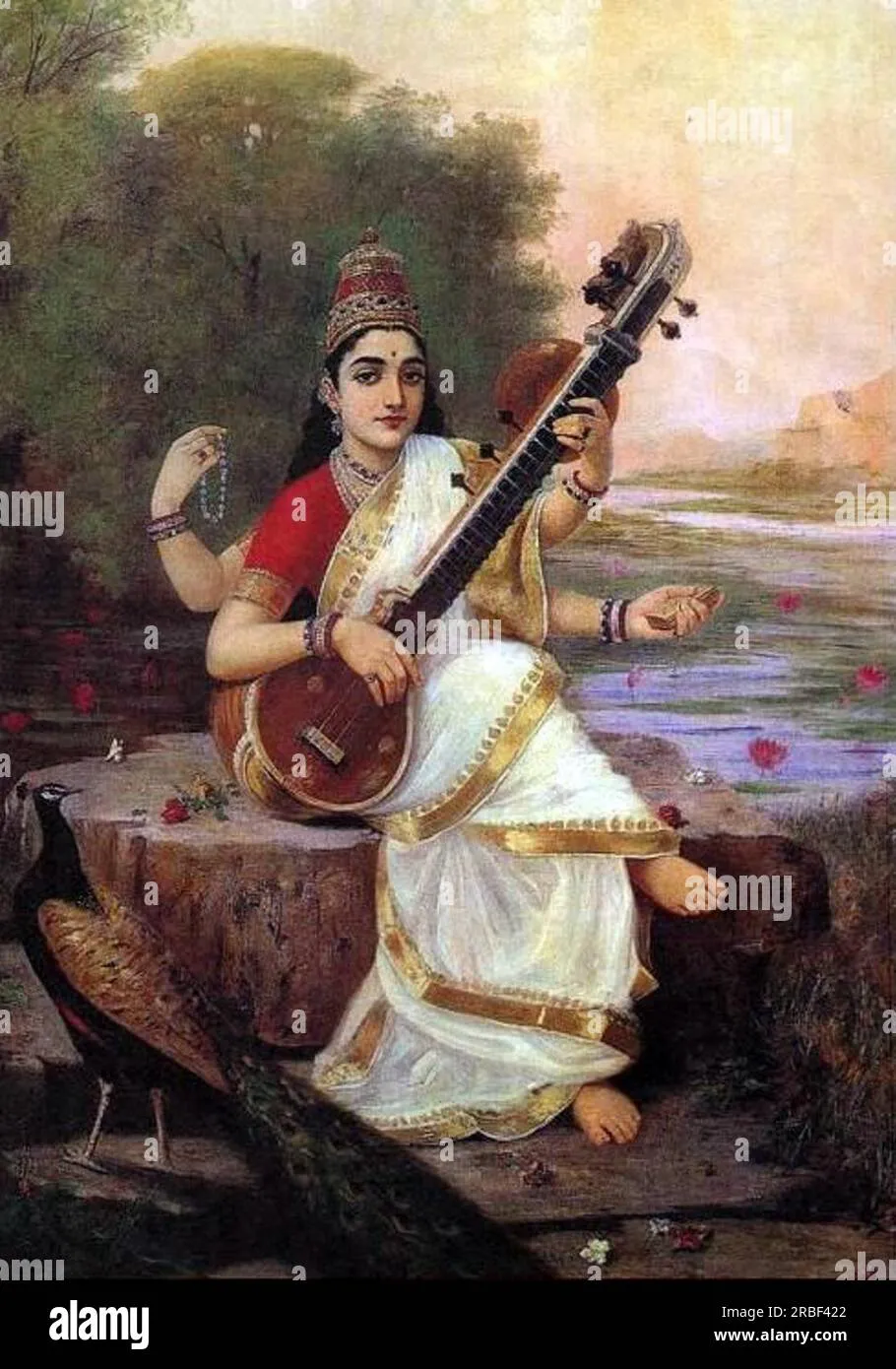
Raja Ravi Varma, born in 1848 in Kilimanoor, Kerala, is celebrated as the ‘Father of Modern Indian Art’. His works have transcended time, embodying the rich cultural tapestry of India through their intricate depictions of mythology and everyday life. Varma’s artistic journey began in the late 19th century, a period marked by a blend of traditional Indian themes and European techniques. His paintings, characterized by their vivid colors and emotional depth, have made a lasting impact on the art world.
In a groundbreaking development for the Indian art scene, Varma’s painting Yashoda and Krishna was sold for a staggering ₹167.2 crore at Saffronart’s Spring Live Auction on April 1, 2026. This sale not only set a new record for Indian art but also highlighted the increasing recognition and valuation of Indian artists on the global stage. The painting, created in the 1890s at the peak of Varma’s career, captures a tender moment between the infant Krishna and his mother, Yashoda, showcasing the artist’s ability to evoke deep emotional resonance through his work.
The auction exceeded pre-auction estimates, which had ranged from ₹80 to ₹120 crore, demonstrating the growing demand for Indian art among collectors. Cyrus S Poonawalla, the buyer of the painting, expressed his sentiments by stating, “I am privileged to have the opportunity to acquire, preserve, and care for the iconic Raja Ravi Varma painting Yashoda and Krishna.” His acquisition is seen not just as a personal triumph but as a responsibility to ensure that this national treasure is made available for public viewing periodically.
Prior to this sale, the record for the highest price paid for an Indian artwork was held by M.F. Husain’s Untitled (Gram Yatra), which sold for over ₹118 crore. The remarkable sale of Yashoda and Krishna signifies a shift in the art market, where collectors are increasingly willing to invest in works that carry significant cultural and historical value.
Minal Vazirani, co-founder of Saffronart, remarked on the importance of this sale, stating, “Great art has a way of reaffirming its timeless value… It is not just a milestone for the market, but a powerful reminder of the enduring cultural and emotional resonance of Indian art.” This sentiment echoes the broader appreciation for Varma’s contributions to Indian art, which have been recognized and celebrated for generations.
The painting itself, an oil on canvas, was initially listed under the title Milching a Cow in a 1911 publication, but has since become synonymous with the profound maternal love depicted in the scene. The emotional depth captured in the artwork continues to resonate with audiences, making it a timeless piece that reflects the values and traditions of Indian culture.
As the art world watches the implications of this record-breaking sale, observers are keen to see how it will influence the market for Indian art in the future. The recognition of Raja Ravi Varma’s work is expected to inspire a new generation of artists and collectors, fostering a deeper appreciation for the rich heritage of Indian art. The ongoing dialogue surrounding the valuation of such artworks will likely continue to evolve, shaping the landscape of art collection in India and beyond.
With the sale of Yashoda and Krishna, the legacy of Raja Ravi Varma is not only preserved but also celebrated, reaffirming his place as a pivotal figure in the history of Indian art. As Pooyam Thirunal Gouri Parvathi Bayi, a descendant of Varma, expressed, “I am proud that my great-grandfather is getting the recognition he deserves.” This moment marks a significant chapter in the ongoing narrative of Indian art, one that honors the past while paving the way for the future.