Before the recent comments made by Prime Minister Narendra Modi, the Indian public had largely settled into a routine following the initial shock of the COVID-19 pandemic. The memories of the nationwide lockdown imposed in March 2020 still lingered, creating a backdrop of anxiety whenever discussions of restrictions arose. However, the current situation is markedly different; it is characterized more by geopolitical and economic challenges than by a public health emergency.
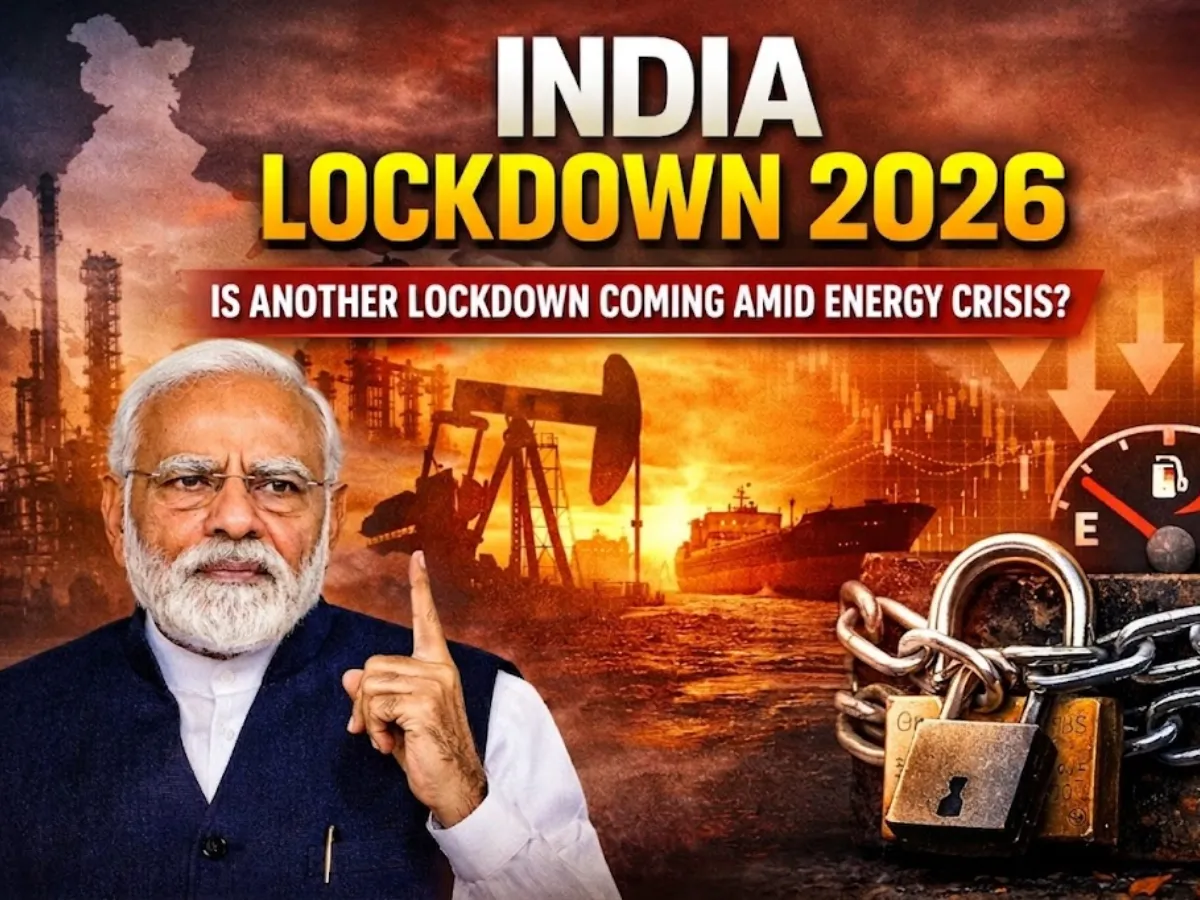
On the sixth anniversary of the 2020 lockdown, PM Modi’s remarks about ‘COVID-like preparedness’ ignited a wave of speculation regarding the possibility of reintroducing lockdown measures. This was particularly concerning for many, given the historical context of the pandemic and its profound impact on daily life and the economy. Yet, the Indian government swiftly denied these rumors, stating, “There is absolutely no official statement or plan from the Government of India to impose a lockdown.”
In a decisive moment, the Prime Minister emphasized the need for readiness and unity among citizens, stating, “We have to stay ready, we have to stay united.” This call to action was intended to reassure the public amidst rising tensions related to global oil supply, particularly as India relies on imported crude oil, with 60% of it coming through the Strait of Hormuz.
The immediate effects of this speculation were palpable. Public sector oil companies moved quickly to reassure citizens that retail outlets were well-stocked, countering fears of shortages. In a single day, authorities seized 2,000 illegally stored LPG cylinders, highlighting the ongoing concerns about supply chain stability and the potential for panic buying.
Experts have pointed out that while the geopolitical landscape is fraught with uncertainty, the Indian government is focusing on maintaining stability rather than imposing restrictions. The fluctuation of oil prices, which has ranged from $89 to $102 per barrel, adds another layer of complexity to the situation, but the government remains committed to ensuring that supply chains function smoothly.
Despite the reassurances, public sentiment regarding the potential for a lockdown remains unclear. Many citizens are still haunted by the memories of the previous lockdown, which had far-reaching consequences on the economy and personal freedoms. The effects of these difficult circumstances, as PM Modi noted, “are expected to last a long time.”
As the situation evolves, it is crucial for citizens to rely on verified government sources for information. Details remain unconfirmed regarding any future lockdown plans, but the emphasis on preparedness suggests that the government is taking the current geopolitical climate seriously.