How it unfolded
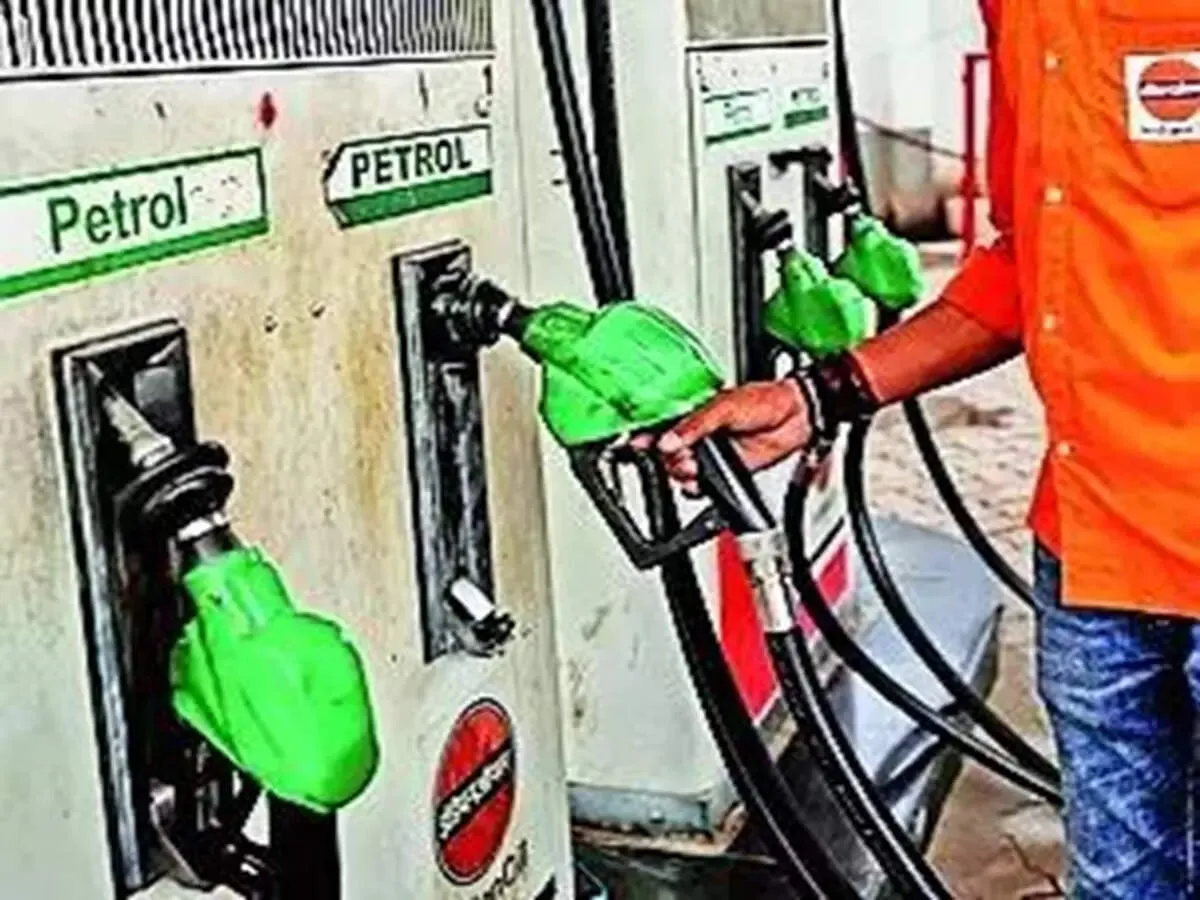
As the sun set on March 25, 2023, the streets of Indore, India, buzzed with an unusual urgency. Motorists flocked to petrol stations, their vehicles lined up in long queues, fueled by whispers of an impending petrol shortage. This sudden rush was not due to a lack of fuel but rather a wave of panic triggered by unverified rumors circulating among the community.
In the days leading up to this frenzy, the government had consistently reassured citizens that there was no shortage of essential fuels across the country. Oil refineries were operating at high capacity, ensuring that adequate stocks of petrol and diesel were available. Yet, the atmosphere in Indore was charged with anxiety, as residents rushed to fill their tanks, fearing they might be left without fuel.
On that fateful day, petrol prices in New Delhi remained stable at ₹94.77 per litre, while diesel was priced at ₹87.67 per litre. Despite the consistency in pricing, the panic in Indore led to some petrol pumps facing short-term dry-outs due to the sudden influx of customers and delayed tanker arrivals. M L Maru, the district supply controller, assured the public, “There is sufficient stock available and petrol pumps will continue to receive supplies.”
District administrations quickly stepped in to quell the rising fears. They reiterated that there was no shortage of petrol, diesel, or cooking gas. Rajendra Wasu, president of the Indore petrol dealers’ association, explained, “There was some delay in supply from a depot of one oil company which created panic in the evening. But there is no shortage of fuel.” This statement aimed to restore calm among the anxious citizens.
Despite these reassurances, the panic buying continued. Rohit Sharma, a motorist caught in the chaos, shared, “I saw messages saying petrol pumps might run dry, so I came to fill fuel.” Anjali Jain, another commuter, echoed this sentiment, stating, “Everyone suddenly came to fill petrol because of the rumours.” The fear of running out of fuel drove many to act hastily, leading to a situation that could have been avoided with clearer communication.
Indore district, with a daily consumption of approximately 10 lakh litres of petrol and 15 lakh litres of diesel, is home to around 275 fuel stations. In contrast, neighboring Ujjain has about 150 petrol pumps, with adequate stocks of 16,000 KL of petrol and 25,000 KL of diesel. This regional comparison highlights the importance of effective supply chain management and communication during times of uncertainty.
As the situation unfolded, it became clear that the rumors had a significant impact on the community’s behavior. Panic buying not only strained the local fuel supply but also created an atmosphere of distrust. The government’s efforts to reassure the public were crucial in mitigating the situation, but the initial panic had already set a precedent for how misinformation can lead to widespread anxiety.
Today, the petrol situation in Indore has stabilized, with no reported shortages at retail outlets. The government continues to monitor the fuel supply closely, ensuring that the community’s needs are met. However, this episode serves as a reminder of the power of rumors and the importance of clear communication in maintaining public confidence in essential services.