Who is involved
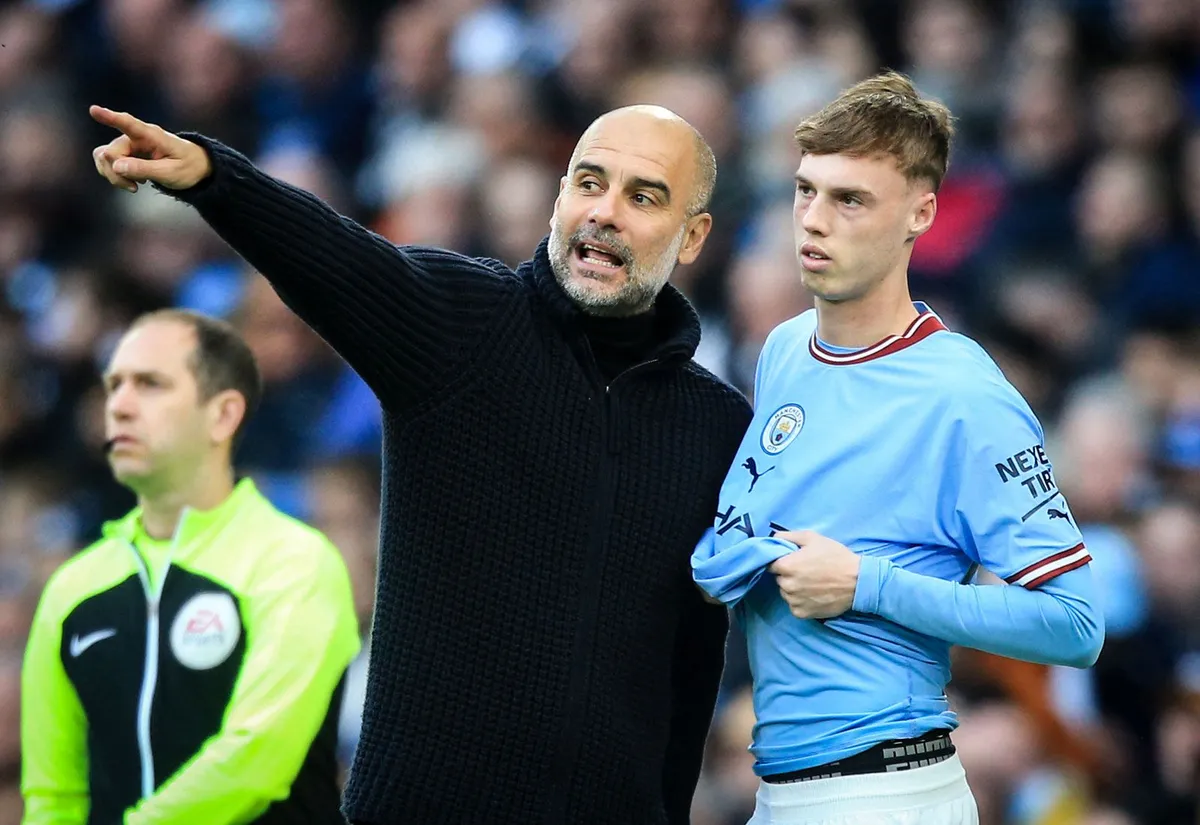
Pep Guardiola has been at the helm of Manchester City since 2016, ushering in an era of unprecedented domestic success. His arrival was met with high expectations, as fans and analysts alike anticipated that his tactical acumen would translate into European glory. Guardiola’s early years were characterized by a dominant style of play, with his teams averaging an impressive 66.43% possession in his first eight seasons. This dominance led to a remarkable achievement: winning four consecutive Premier League titles by 2024.
However, the landscape began to shift dramatically as Guardiola faced mounting challenges in the UEFA Champions League. For three consecutive seasons, Manchester City was eliminated by Real Madrid, a team that has historically posed significant hurdles for Guardiola’s squads. This trend raised questions about whether Guardiola could replicate his domestic success on the European stage, where he has only secured one Champions League title during his tenure.
The decisive moment came in the 2023-24 season, when Manchester City conceded 44 goals, marking the first time in Guardiola’s era that the tally crossed the 40-goal threshold. This defensive vulnerability coincided with a drop in possession percentage to 60.7% over the last two seasons, suggesting a shift in the team’s playing style and effectiveness. The combination of these factors has led to a nine-point deficit behind Arsenal in the Premier League, further complicating Guardiola’s mission.
Amidst this turmoil, Guardiola’s own reflections have been candid. He stated, “I am closer to leaving than staying,” indicating a potential crossroads in his career. His admission of poor selection decisions during critical matches has also drawn scrutiny, as he acknowledged, “Bad selection, now you can criticise me incredibly, for the selection, now I deserve it.” This level of self-awareness highlights the pressure he faces as he navigates the complexities of managing a top-tier club.
On the other hand, emerging talents like Nico O’Reilly have provided glimpses of hope. O’Reilly’s performance in the League Cup final against Arsenal, where he scored two goals, showcased the potential of the younger players under Guardiola’s guidance. His contributions have been vital, with Guardiola praising him for providing the physicality needed in the midfield. Such performances are crucial as City seeks to regain its footing in both domestic and European competitions.
Erling Haaland’s remarkable scoring ability also remains a focal point for the team. In 2022, he netted an astonishing 52 goals across all competitions, solidifying his status as one of the most lethal strikers in football. However, even Haaland’s prowess has not been enough to shield the team from recent setbacks, as evidenced by the challenges faced in the Champions League.
As the narrative unfolds, the contrast between Guardiola’s early triumphs and recent struggles paints a complex picture of his managerial journey. Expert voices in football have begun to weigh in on the implications of these developments, suggesting that the pressure is mounting for Guardiola to deliver results that match the expectations set during his initial years at Manchester City.
In this evolving saga, the future remains uncertain. Details remain unconfirmed regarding Guardiola’s long-term plans, but the stakes are undeniably high. With the Premier League title race heating up and the Champions League looming, the coming months will be critical in determining whether Guardiola can reclaim his status as one of the game’s elite managers or if he will face the consequences of a declining era at Manchester City.