How it unfolded
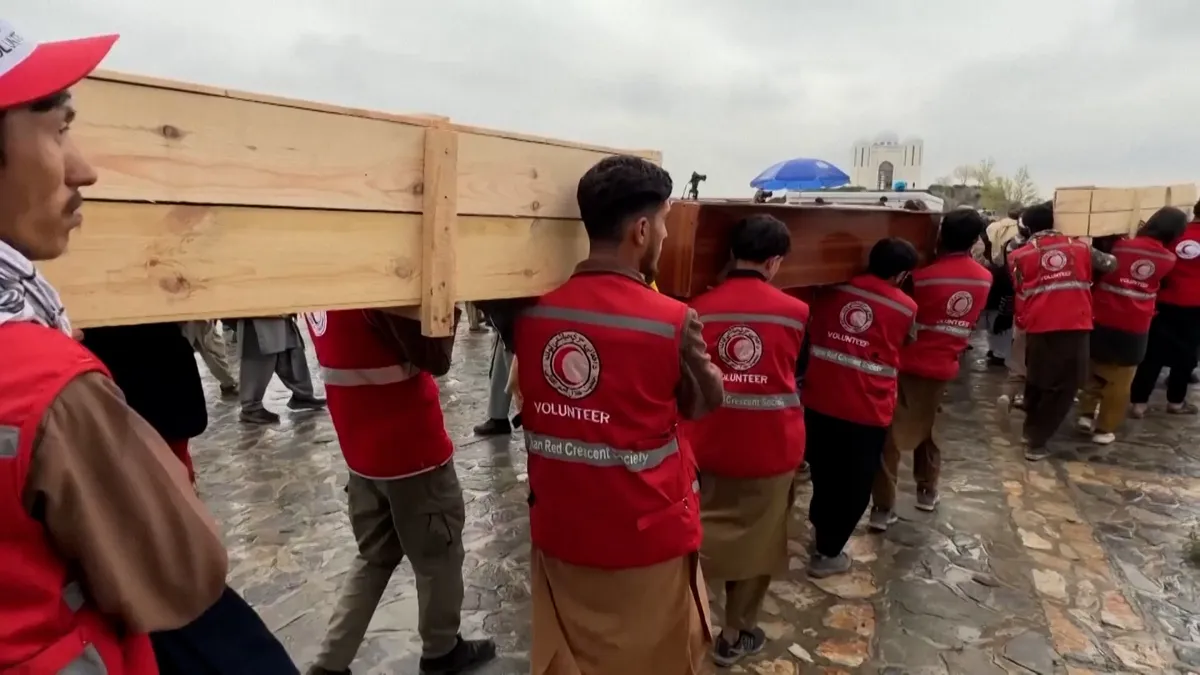
In recent months, the relationship between Pakistan and Afghanistan has been thrust into the spotlight, particularly following a tragic incident in Kabul. Just before the key development, tensions were already high in the region, with various geopolitical factors at play. On a fateful day, a Pakistani air strike targeted a drug rehabilitation center in Kabul, resulting in the deaths of 143 individuals. This devastating event marked a significant escalation in the ongoing complexities of Pakistani involvement in Afghanistan.
As the dust settled from the air strike, the ramifications of such actions began to unfold. The incident not only heightened tensions between Pakistan and Afghanistan but also drew the attention of neighboring countries. The air strike was viewed as a stark reminder of the volatile nature of the region, where military actions often have far-reaching consequences. The loss of life in Kabul underscored the urgent need for dialogue and resolution among the involved parties.
Simultaneously, other developments were occurring that further complicated the situation. In India, a civilian employee at an Indian Air Force station was arrested on charges of espionage, allegedly working for Pakistani handlers. This arrest highlighted the intricate web of intelligence operations that span across borders, revealing how deeply intertwined the national security concerns of these countries are. Reports indicated that the accused had been in contact with Pakistani intelligence operatives since 2023, raising alarms about the potential for increased tensions between India and Pakistan.
Pakistan’s strategic relationships with other nations in the region also play a crucial role in this narrative. For decades, Pakistan has maintained a robust military and economic partnership with Saudi Arabia, which includes a Strategic Mutual Defence Agreement. This alliance has fostered a trade volume of nearly US$5 billion between the two countries, further solidifying their ties. Such relationships not only bolster Pakistan’s military capabilities but also provide it with a significant economic lifeline.
Moreover, Pakistan’s bilateral trade with Iran stands at approximately US$3 billion, showcasing another layer of its regional connections. The dynamics of these relationships are further complicated by Pakistan’s internal demographics, where approximately 20 percent of its population identifies as Shia. This demographic reality influences Pakistan’s foreign policy and its interactions with neighboring countries, particularly Iran, which has a predominantly Shia population.
In light of these developments, Pakistan has also engaged in negotiations with Iran to ensure safe passage for fuel shipments through the strategically vital Strait of Hormuz. This agreement is crucial not only for Pakistan’s energy needs but also for maintaining stability in the region, where any disruption can have significant implications for trade and security.
As of now, the situation remains fluid, with the aftermath of the Kabul air strike and the espionage case continuing to unfold. The international community watches closely, aware that the actions taken by Pakistan and its neighbors will have lasting effects on regional stability. The intricate relationships and historical grievances that define this area make it imperative for all parties involved to seek diplomatic solutions.
The sequence of events matters greatly for those involved, as it highlights the delicate balance of power in South Asia. The loss of life in Kabul serves as a tragic reminder of the human cost of geopolitical maneuvering, while the espionage case underscores the pervasive mistrust that exists among nations. As Pakistan navigates its relationships with Afghanistan, India, Saudi Arabia, and Iran, the stakes are high, and the path forward remains uncertain. Details remain unconfirmed.