Who is involved
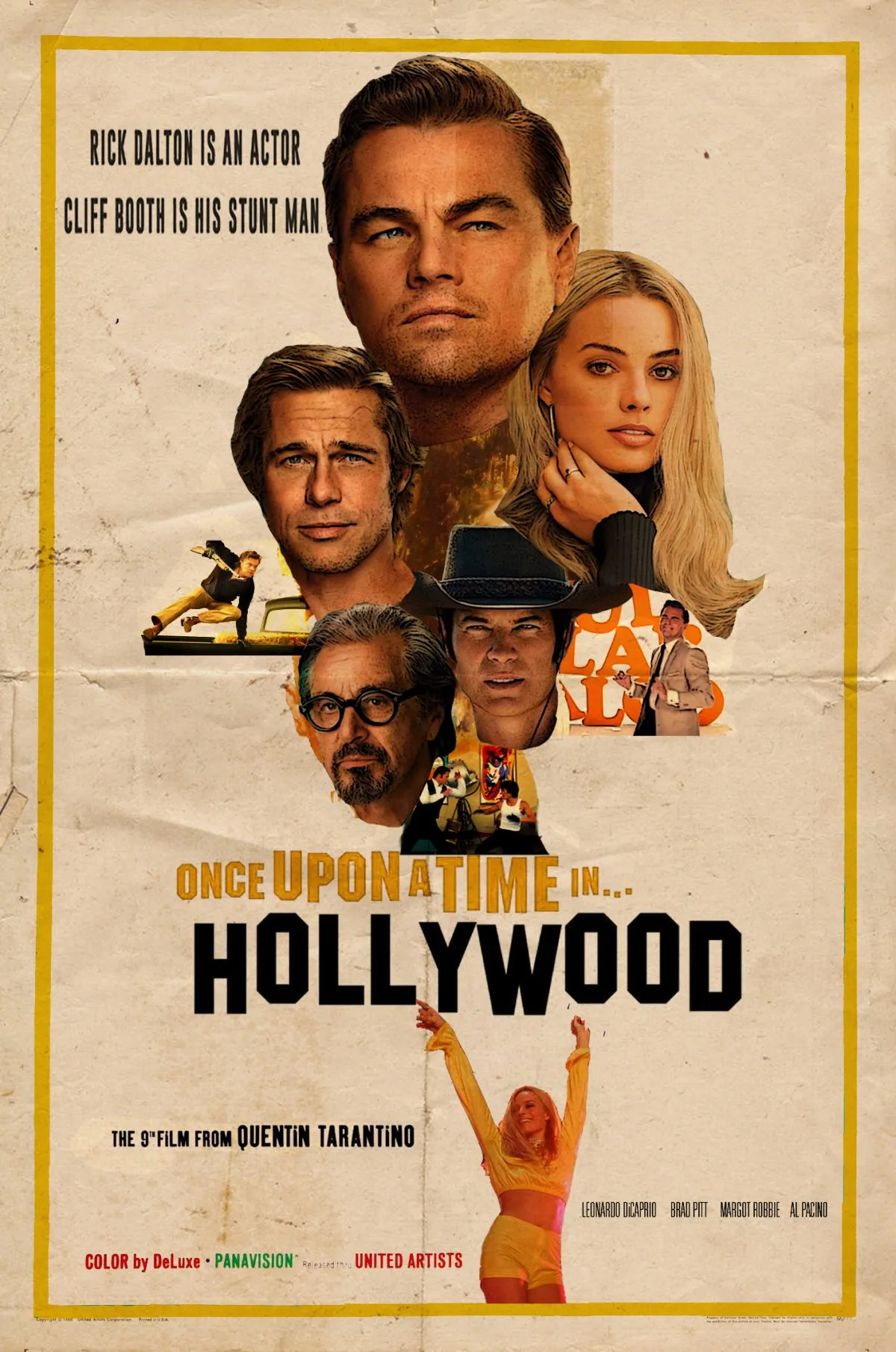
Once Upon a Time in Hollywood, released in 2019, became a global sensation, captivating audiences with its character-driven narrative and stellar performances from actors like Leonardo DiCaprio and Brad Pitt. The film was a nostalgic homage to the late 1960s Hollywood, intertwining fictional characters with real historical events. As the film garnered critical acclaim and commercial success, expectations soared for any potential continuations of its story.
Fast forward to 2026, and the landscape of streaming and cinematic releases has transformed dramatically. Netflix, with a staggering content budget of $20 billion for the year, is now at the forefront of this evolution. The announcement of a sequel titled The Adventures of Cliff Booth—set to premiere on Netflix on August 1, 2026—marks a decisive moment in the ongoing narrative of Hollywood adaptations. This sequel will take place eight years after the events of the original film, focusing heavily on the character Cliff Booth, played by Brad Pitt, who reprises his role.
Quentin Tarantino returns as the writer for this sequel, bringing his signature storytelling style back to the screen. However, this time, David Fincher takes the helm as director, a shift that has sparked a mix of excitement and skepticism among fans. The film’s trailer has already received mixed reactions, illustrating the high stakes involved in following up a beloved original. The anticipation surrounding the sequel reflects a broader trend in the industry, where streaming platforms are increasingly becoming the primary venue for major film releases.
The direct effects of this sequel are multifaceted. For Brad Pitt, reprising his role as Cliff Booth not only solidifies his status as a leading man in Hollywood but also allows him to explore the character’s evolution in a new narrative context. Meanwhile, Tarantino’s involvement ensures that the sequel retains the unique flavor that made the original so appealing. However, the shift to a streaming platform raises questions about the traditional cinematic experience and how audiences will engage with this sequel compared to its predecessor.
Industry experts have weighed in on this shift. Dan Lin, a prominent figure in film production, stated, “I think competition is a good thing … I think we’ll be even better because we have that competition, it makes us hungrier, sharper, so we’re not afraid of the competition.” This sentiment reflects the current state of the film industry, where streaming services are not just competing with each other but also with traditional theaters for audience attention.
As the release date approaches, excitement builds, but so do uncertainties. The film’s cast includes notable names such as Scott Caan, Timothy Olyphant, Elizabeth Debicki, Carla Gugino, and Yahya Abdul-Mateen II, adding to the anticipation. Yet, Tarantino himself has expressed some reservations, stating, “I love this script, but I’m still walking down the same ground I’ve already walked. It just kind of unenthused me.” This candid reflection hints at the challenges of creating a sequel that lives up to the original’s legacy while also innovating within the narrative.
In summary, The Adventures of Cliff Booth represents a significant evolution in the story of Once Upon a Time in Hollywood. It encapsulates the changing dynamics of the film industry, where streaming platforms like Netflix are reshaping how stories are told and consumed. As audiences await the sequel, the film stands as a testament to the enduring impact of its predecessor while navigating the complexities of modern filmmaking.