The ongoing conflict in West Asia has entered its fourth week with no clear signs of easing, creating a ripple effect across global markets. On March 19, 2026, Singer India made its debut on the National Stock Exchange (NSE), but the excitement quickly turned to disappointment as its shares slumped by 7.9%, closing at ₹70.43.
This downturn coincided with a broader market decline, where the S&P BSE Sensex fell by 1,542.94 points to 72,990.02, while the NSE Nifty50 experienced a drop of 515.20 points, settling at 22,599.30. The overall investor wealth eroded by approximately ₹9–9.5 lakh crore, reflecting the severe impact of the current economic climate.
The rupee also faced significant pressure, plunging to a record low of 93.89 against the US dollar. This decline is attributed to the escalating conflict in West Asia, which has heightened global uncertainty and contributed to a risk-off mood among investors.
Dr. VK Vijayakumar, a prominent market analyst, commented on the situation, stating, “The uncertainty around the war is driving a global risk-off mood.” He further noted, “There is nothing that investors can do during this crisis characterised by huge uncertainty,” highlighting the pervasive anxiety affecting market participants.
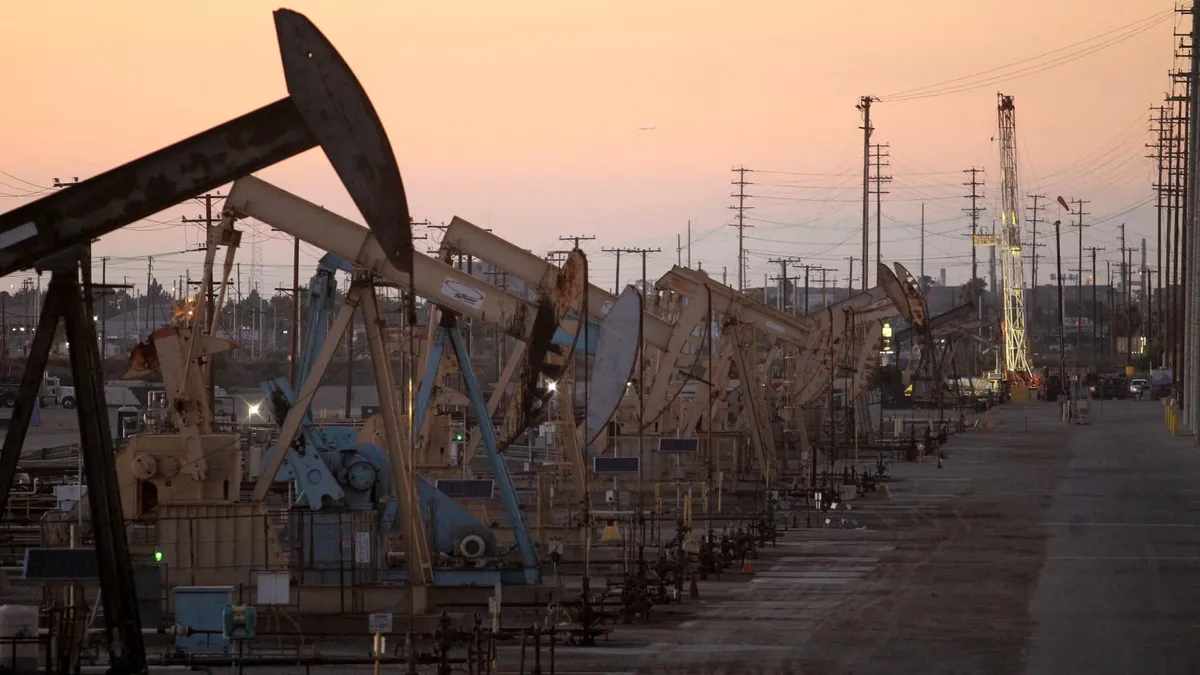
As Brent crude traded at $112.94 per barrel and WTI crude at $99.23 per barrel, the implications of rising oil prices further complicate the economic landscape. The ongoing geopolitical tensions are expected to continue influencing market dynamics, leaving investors in a precarious position.
With the market showing no immediate signs of recovery, observers are closely monitoring developments in West Asia and their potential ramifications on the Indian stock market. The situation remains fluid, and details remain unconfirmed as stakeholders await further clarity on both geopolitical and economic fronts.