How it unfolded
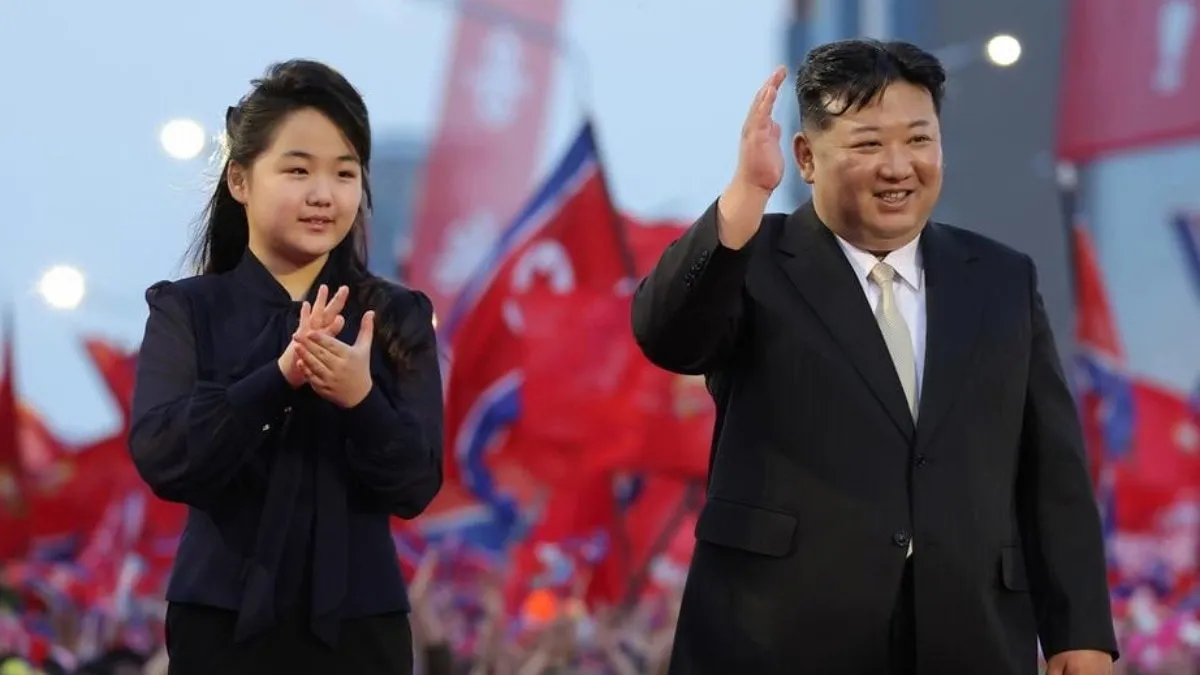
As the world watched with cautious interest, North Korea prepared for its parliamentary elections on March 15, 2026. This event was particularly significant as it marked a moment of potential change in a country known for its tightly controlled political environment. The elections were held under the watchful eye of Kim Jong Un, who has been at the helm since 2011, following the death of his father, Kim Jong Il.
On the day of the elections, reports indicated an astonishing voter turnout of 99.99%. This figure, while impressive, also reflects the highly orchestrated nature of the electoral process in North Korea, where candidates are pre-selected by the ruling Workers’ Party of Korea. Voters were left with a binary choice, effectively limiting any real democratic engagement.
As the results began to emerge, it became clear that Kim Jong Un had secured an overwhelming 99.93% of the votes. This statistic, while indicative of his control over the political landscape, also raised eyebrows internationally. For the first time since 1957, a small percentage of voters, specifically 0.07%, had rejected the official candidates. This acknowledgment of dissenting votes, albeit minimal, hinted at a shift in the political dynamics within the country.
Despite the high turnout and overwhelming support for Kim, the election results also revealed that 0.0037% of registered voters were unable to cast their ballots due to being abroad or at sea, and an almost negligible 0.00003% abstained from voting altogether. These figures underscore the extent to which the regime ensures participation in its electoral processes, leaving little room for genuine opposition.
The Supreme People’s Assembly, which consists of 687 representatives, plays a crucial role in North Korean governance. However, the assembly’s function is often viewed as a rubber-stamp institution, reinforcing the decisions made by the ruling party rather than acting as a true legislative body. The overwhelming support for Kim Jong Un in this election further solidifies his grip on power and the status quo within the political framework of North Korea.
As the dust settles from the 2026 elections, the implications of these results are significant. For Kim Jong Un, the overwhelming victory serves to legitimize his leadership, both domestically and internationally. However, the acknowledgment of dissenting votes, even if minimal, may signal a subtle shift in the public’s perception of the regime and its policies.
In the current state of affairs, North Korea remains a country where political dissent is largely suppressed, yet the slight emergence of dissenting voices could suggest a potential for change in the future. The international community will be watching closely to see how these developments unfold and what they might mean for the future of governance in North Korea.