Reaction from the field
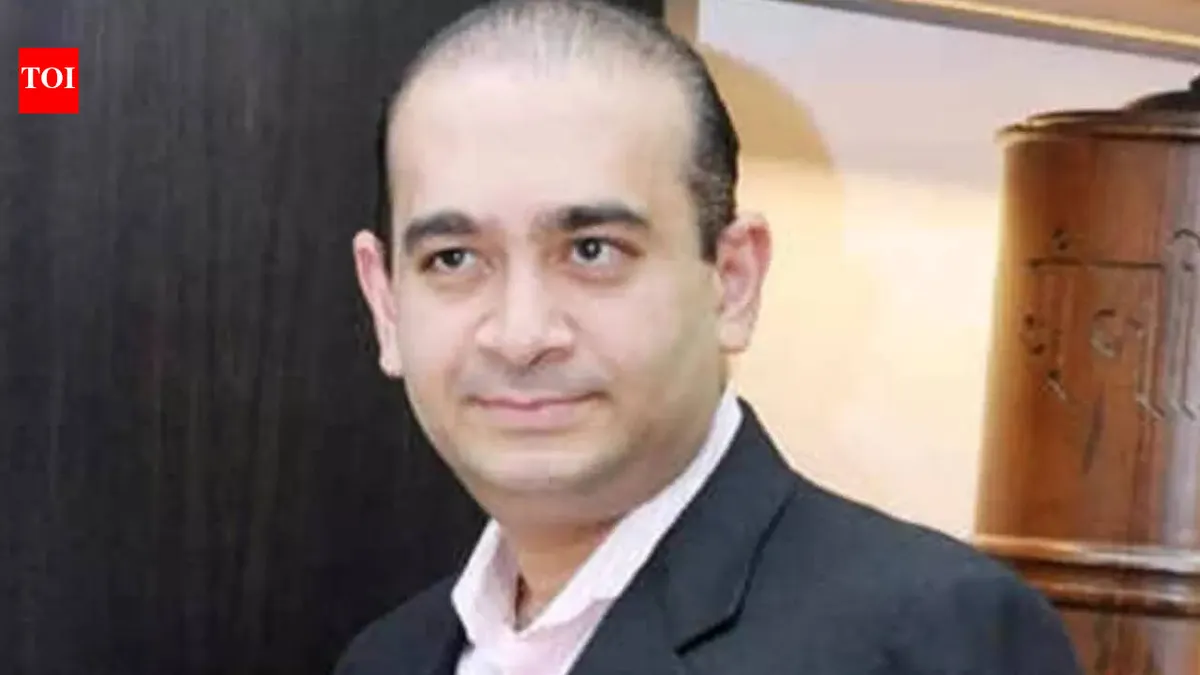
The recent ruling by the UK High Court to reject Nirav Modi’s plea to reopen his extradition case marks a significant moment in the ongoing saga of one of India’s most notorious fugitives. This decision underscores the serious implications of Modi’s alleged involvement in a massive fraud scheme against Punjab National Bank, which has sent shockwaves through the financial world.
Nirav Modi, a diamond merchant with a lavish lifestyle, fled India in 2018 amidst allegations of orchestrating a fraud estimated at around ₹11,000 crore (approximately $1.5 billion) against Punjab National Bank. His escape triggered a series of investigations by Indian authorities, including the Central Bureau of Investigation (CBI) and the Enforcement Directorate, which are now pursuing his extradition to face charges in India.
In a recent ruling, the UK High Court emphasized the reliability of the assurances provided by the Government of India regarding Modi’s treatment upon extradition. The court stated that these assurances were comprehensive and enforceable through Indian courts, a critical factor in their decision-making process. The court noted, “The assurances are cognisable at a diplomatic level because the consequences of any breach would be extremely damaging to the relationship of mutual trust and confidence between India and the United Kingdom.” This highlights the delicate balance of international relations involved in such legal proceedings.
Modi’s legal team sought to reopen the case based on a judgment from February 2025 concerning another extradition matter involving Sanjay Bhandari. However, the High Court found that the grounds presented did not meet the threshold of exceptional circumstances required to reconsider the case. The court’s decision was influenced by a note verbale sent by the Indian home ministry, which detailed the assurances regarding Modi’s treatment.
Despite the overwhelming evidence against him, Nirav Modi has consistently denied the allegations, claiming he did not commit fraud against Punjab National Bank. He has even accused the bank of colluding with the CBI to tarnish his reputation. This narrative, however, has not swayed the courts, which have focused on the legal and diplomatic assurances provided by India.
As the legal battle continues, the stakes remain high for both Modi and the Indian authorities. The UK High Court’s ruling not only impacts Modi’s future but also reflects on the broader implications for India’s efforts to combat financial crimes and secure the extradition of fugitives. With the court emphasizing the enforceability of India’s assurances, it remains to be seen how this will affect Modi’s next steps.
Looking ahead, the situation remains fluid, with potential developments expected in the coming months. The complexities of international law and extradition processes mean that while the court has made a decisive ruling, the final outcome for Nirav Modi is still uncertain. Details remain unconfirmed.