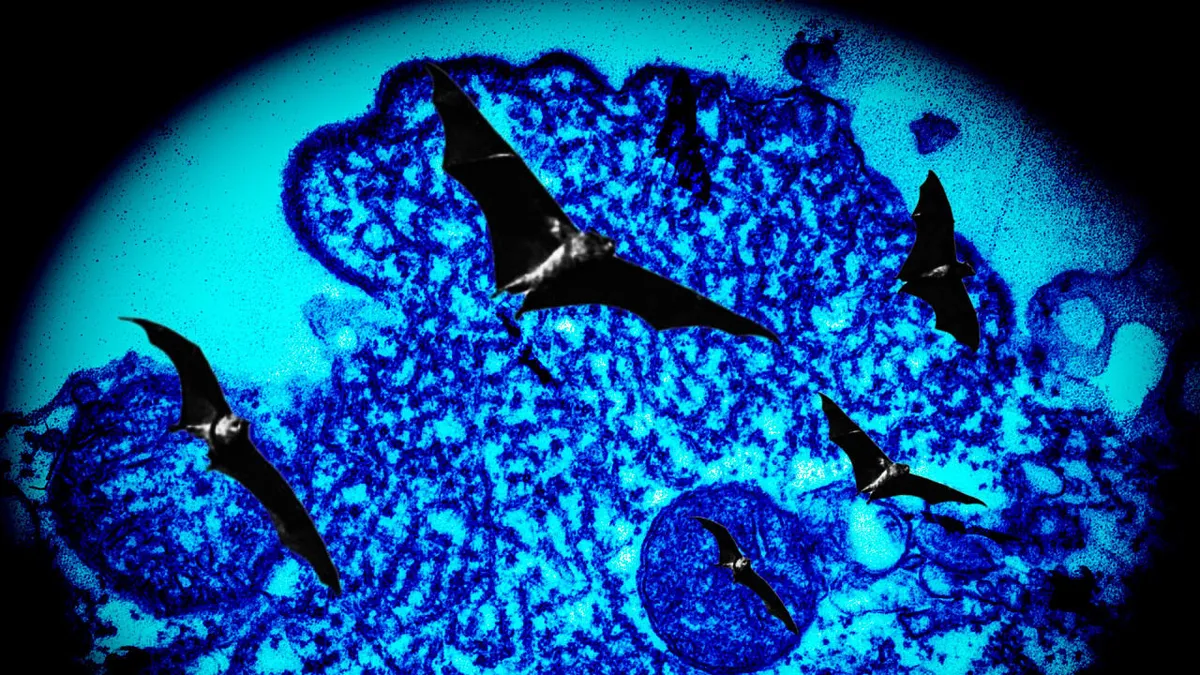
The central question surrounding the Nipah virus is: how can a virus first identified over two decades ago still pose a significant threat to public health in Kerala, India? The answer lies in its persistent nature, the lack of effective treatments, and the environmental factors that exacerbate its transmission.
The Nipah virus was first identified in Malaysia in 1999 and has since been linked to outbreaks in various countries, including India. In Kerala, the first outbreak occurred in May 2018, resulting in 18 confirmed cases and 17 deaths. As of 2026, Kerala has reported two deaths from the virus, highlighting the ongoing risk it poses.
Transmission of the Nipah virus occurs through infected animals, particularly fruit bats, or contaminated food, making it crucial for communities to remain vigilant. The recent outbreak in West Bengal involved two nurses who slipped into a coma, underscoring the virus’s dangerous potential.
Health officials in Kerala have noted that there have been multiple outbreaks since 2018, with the most recent occurring in 2023. Surveillance and preparedness for Nipah virus outbreaks have been criticized as poor and episodic, with scientists emphasizing the need for better funding and proactive measures.
As the fruiting season in Kerala approaches in April, the risk of Nipah virus cases increases. Awareness campaigns targeting children are planned, especially since past infections have affected this age group. Dr. Anish, a local health expert, noted that two of the fatalities from the infection were children from Kozhikode and Malappuram districts.
Preventative measures are essential. Dr. Anish advises avoiding fruits lying on the ground or those bitten by bats, washing and peeling fruits before consumption, and steering clear of bat roosts. These steps are vital in reducing the risk of infection.
Despite the known risks, the response to Nipah virus outbreaks has often been reactive rather than proactive. As one scientist pointed out, “Surveillance is activated too late, research funding is sporadic, and preparedness is episodic.” This highlights the urgent need for a more coordinated public health strategy.
Looking ahead, the situation remains precarious. With 700 individuals found on the contact list for Nipah virus risk and 77 categorized as high-risk, health authorities must act swiftly to mitigate the spread. The community’s resilience and awareness will play a crucial role in combating this persistent threat.
As the world watches Kerala, the ongoing battle against the Nipah virus serves as a reminder of the complexities of zoonotic diseases and the importance of sustained public health efforts.